

Analysis, Contributions, Social Media and Debates
Here below the collections of publications and interventions made by actors of our federalist movement around the Hungarian elections.
France
Read here three articles written by Charles Nonne, spokesperson of the French section of the UEF, political analyst and former press correspondent for Le Courrier des Balkans, and published in French newspapers La Croix, La Tribune and Le Taurillon.
La Croix, entitled "Hongrie : "La défaite d'Orban serait un moment aussi historique de la rupture du rideau de fer"" : LINK HERE
La Tribune, entitled "OPINION. « Législatives en Hongrie : l’heure de vérité pour la démocratie européenne »" : LINK HERE
Le Taurillon, entitled "Les élections hongroises de 2026 sont l'heure de vérité pour la démocratie en Europe" : LINK HERE
Italy
Watch here the intervention of UEF EB Member and MFE Secretary-General Roberto Castaldi in the Italian Program Omnibus/La7 (12 April 2026).
Have participated the Vice-Secretary of State of Hungary, Marton Ugrosdy, Fabrizio Agnocchetti, Expert on Hungary, Il Domani journalist, Francesca De Benedetti.
Watch HERE
Read here the Newsletter of the Movimento Europeo Italia dedicated to the elections in Hungary:
Read HERE
Germany
Read here the statement of Europa Union Deutschland by Andrea Wechsler (MEP, President of EUD) and Gabriele Bischoff (MEP, Vice-President of EUD):
Read HERE
Joint events UEF Sections
Watch here the online Event of MFE and UEF Hungary conducted in view of the elections in Hungary:
Watch HERE
Watch here the online Event of UEF France and UEF Hungary conducted in view of the elections in Hungary:
Watch HERE
Social Media Publications
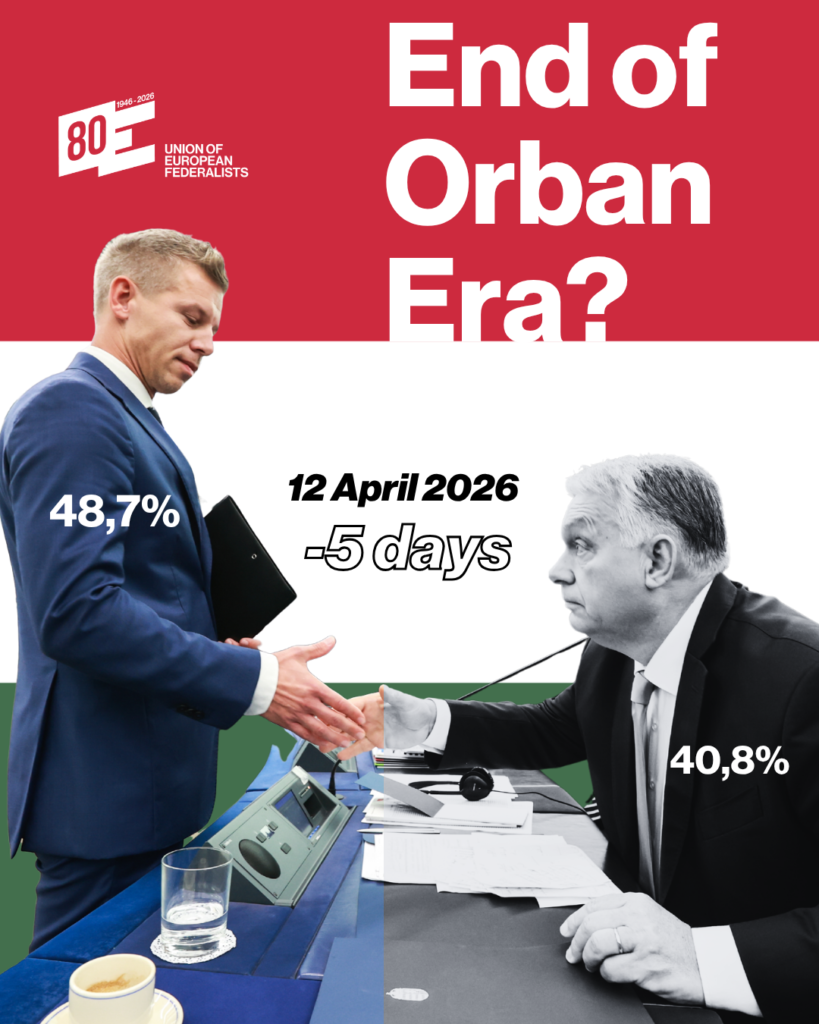
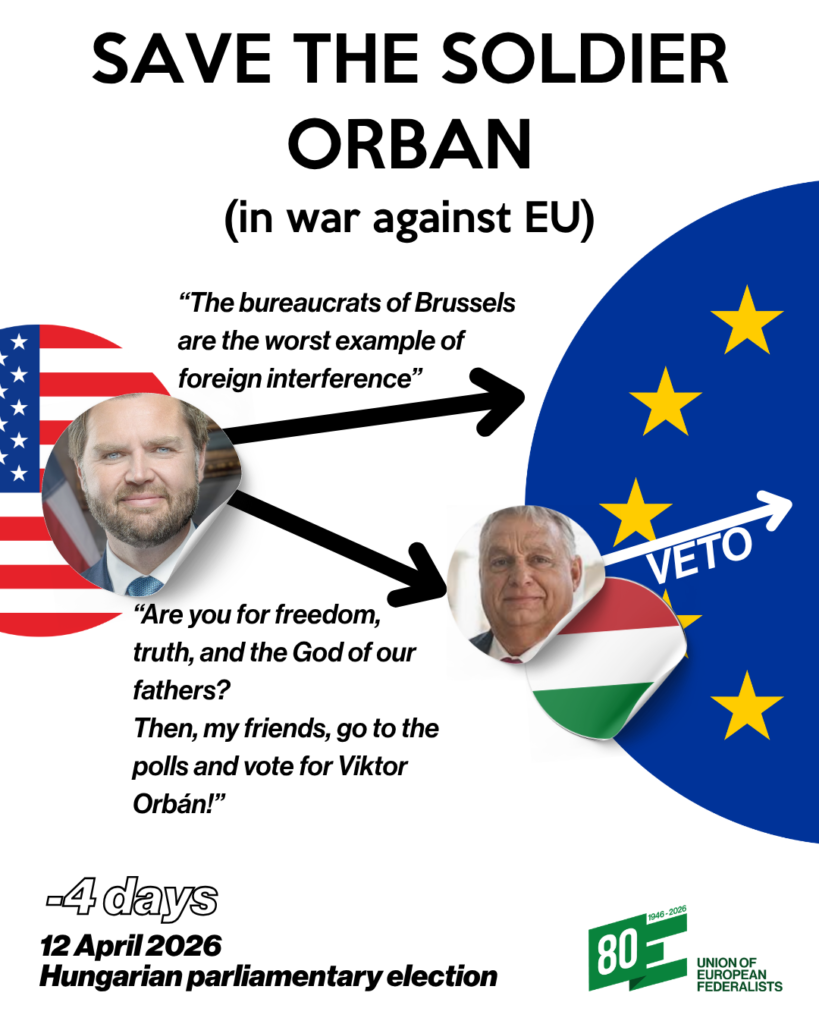
By UEF Secretariat
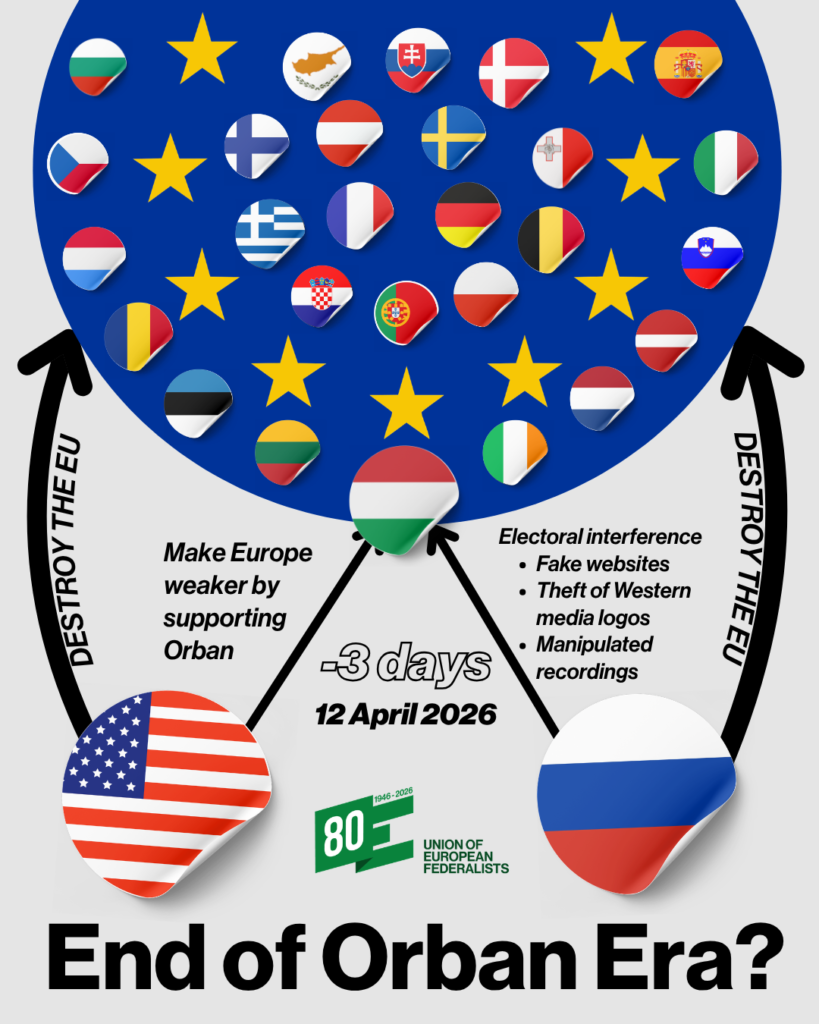
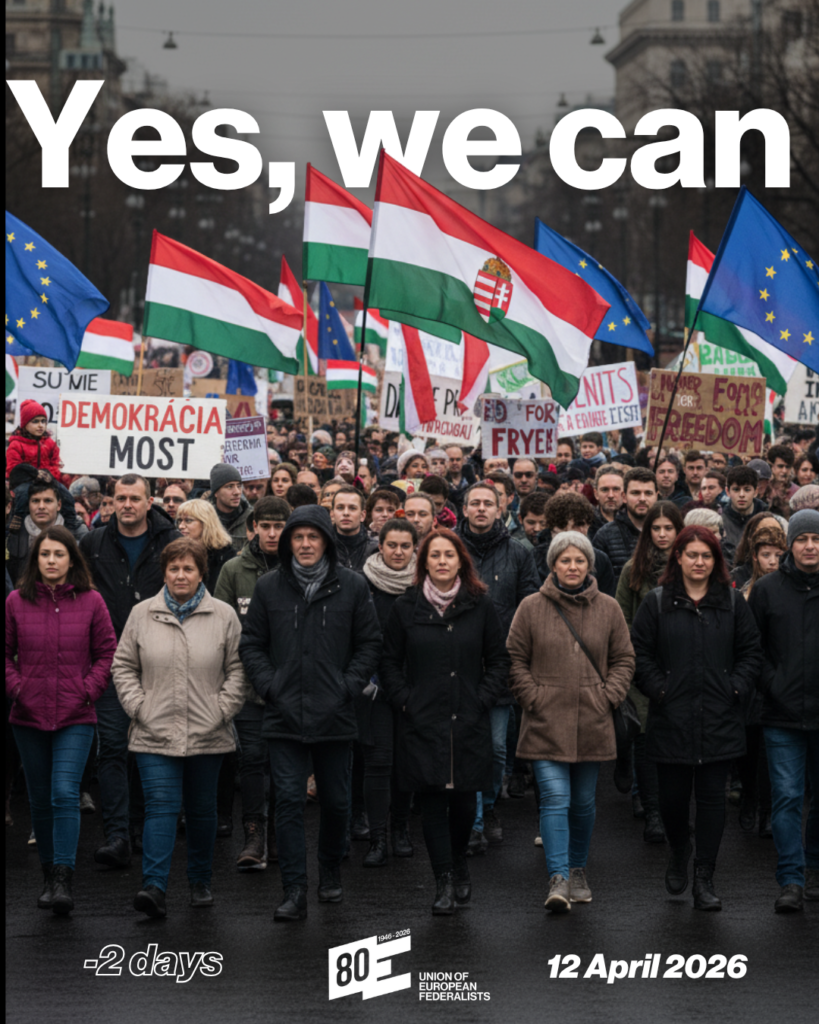
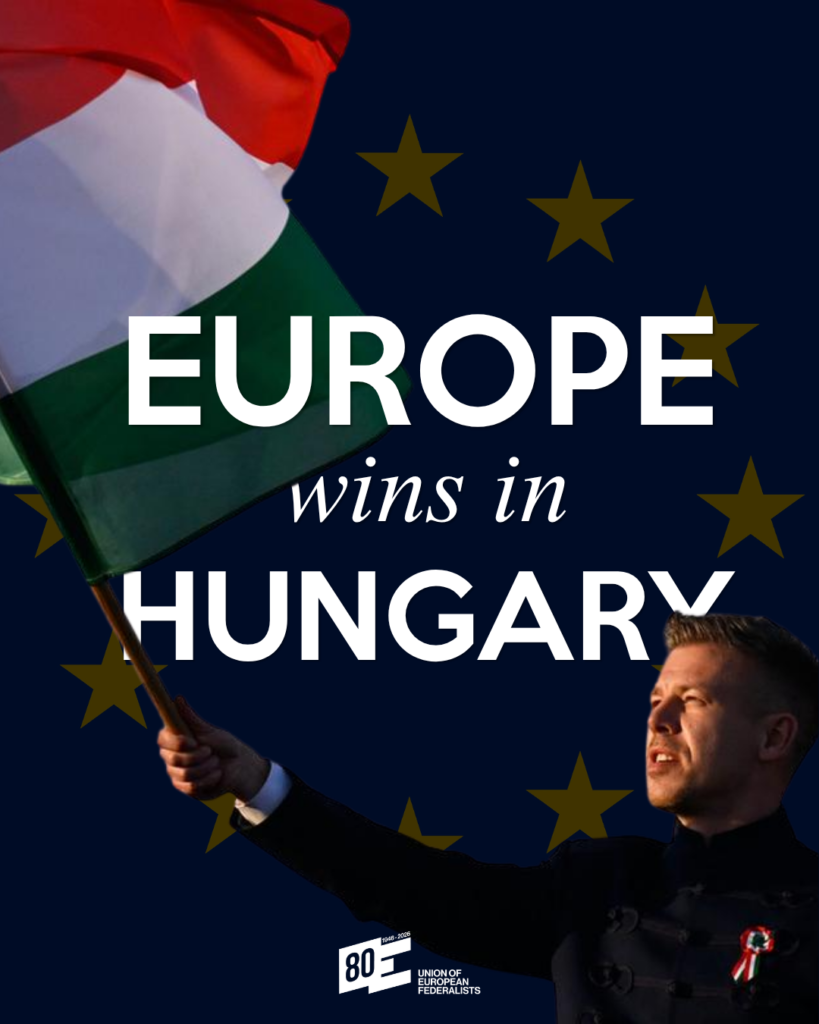
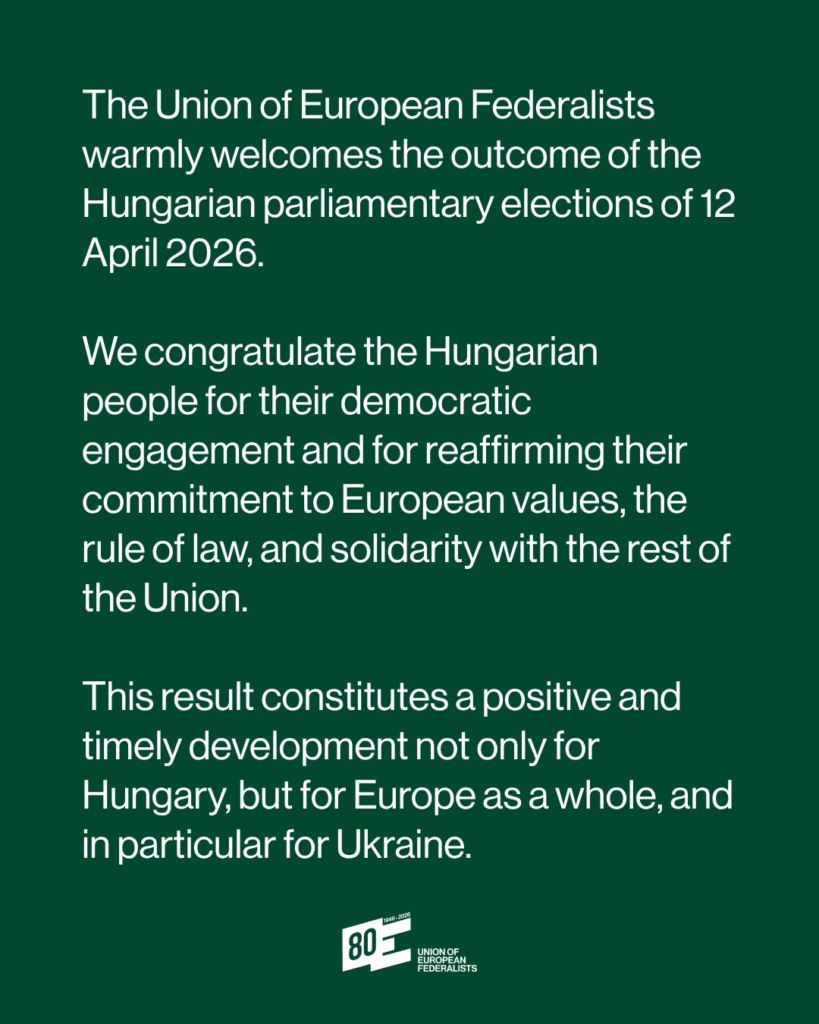
Click the pictures to watch the post
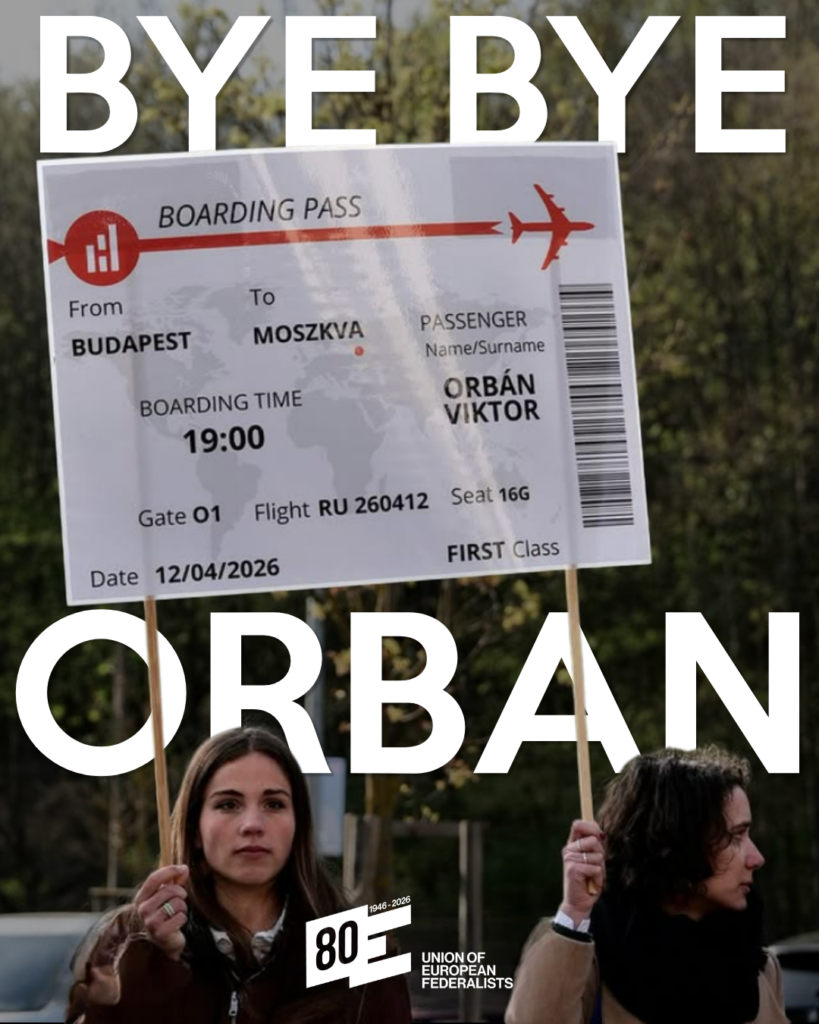
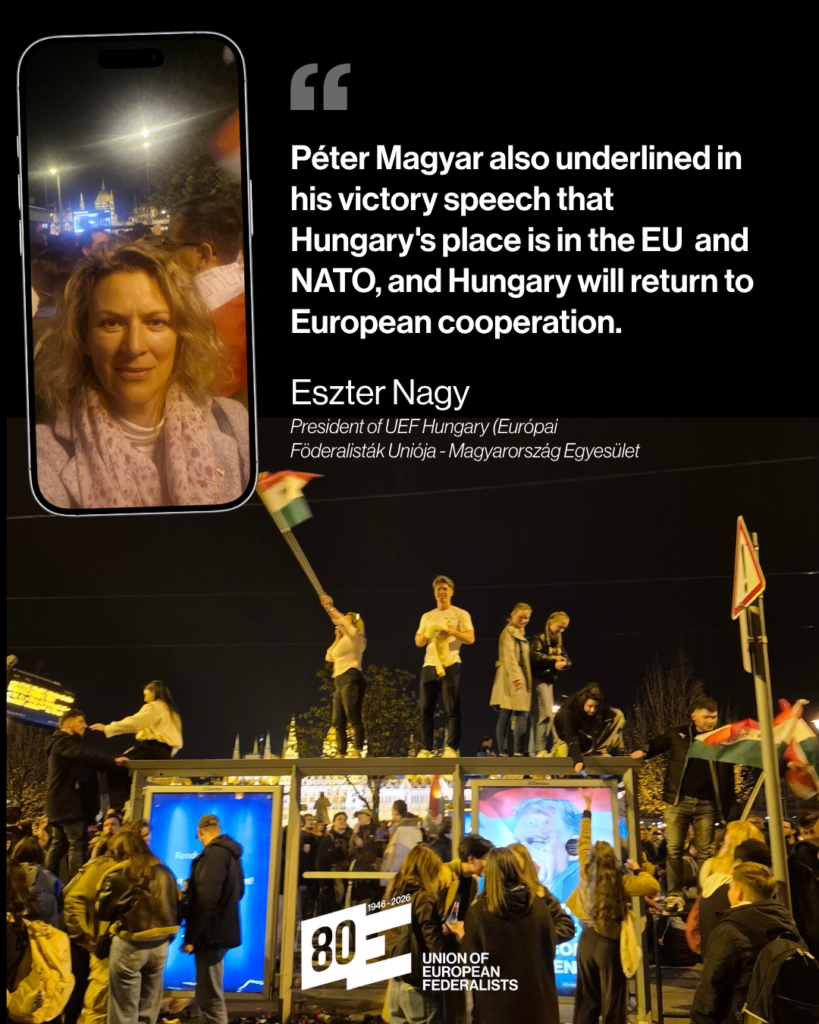
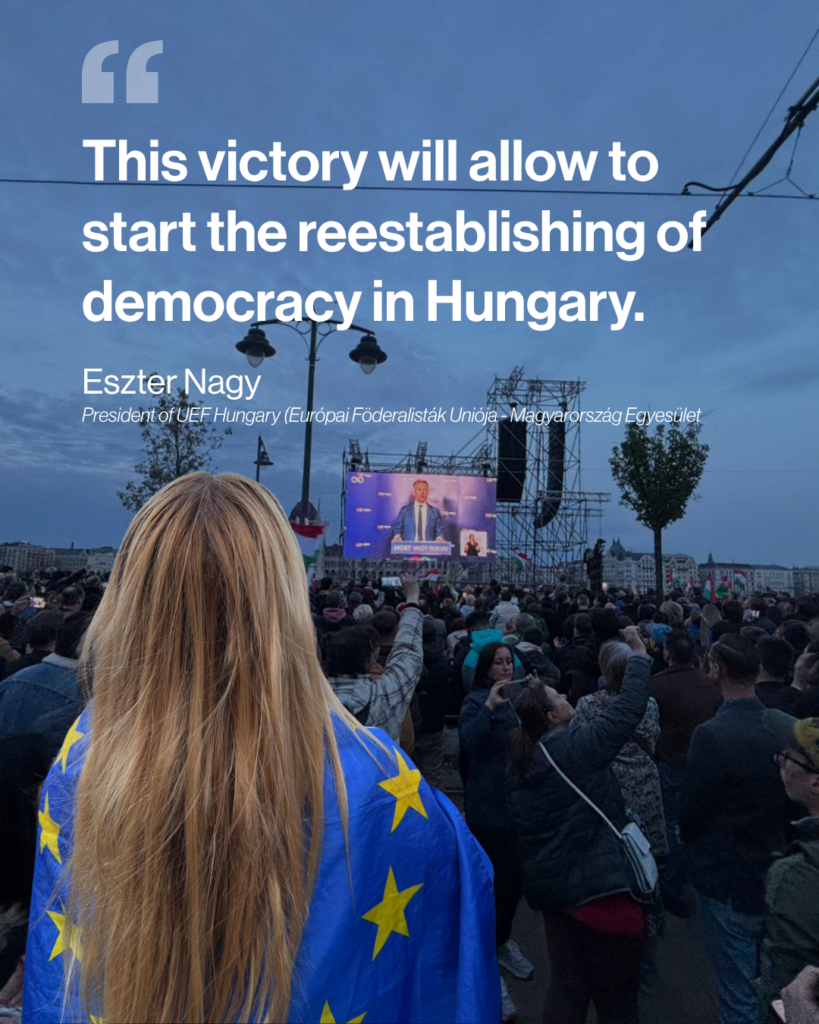
By UEF Hungary
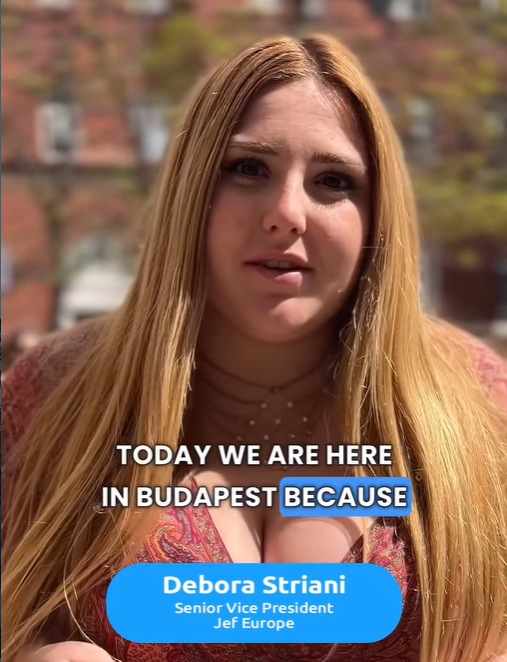
Here are some of the best Reels posted by UEF Hungary, including those created in collaboration with other national and local branches, other organisations (Pulse of Europe) and Jef Europe.
Links:
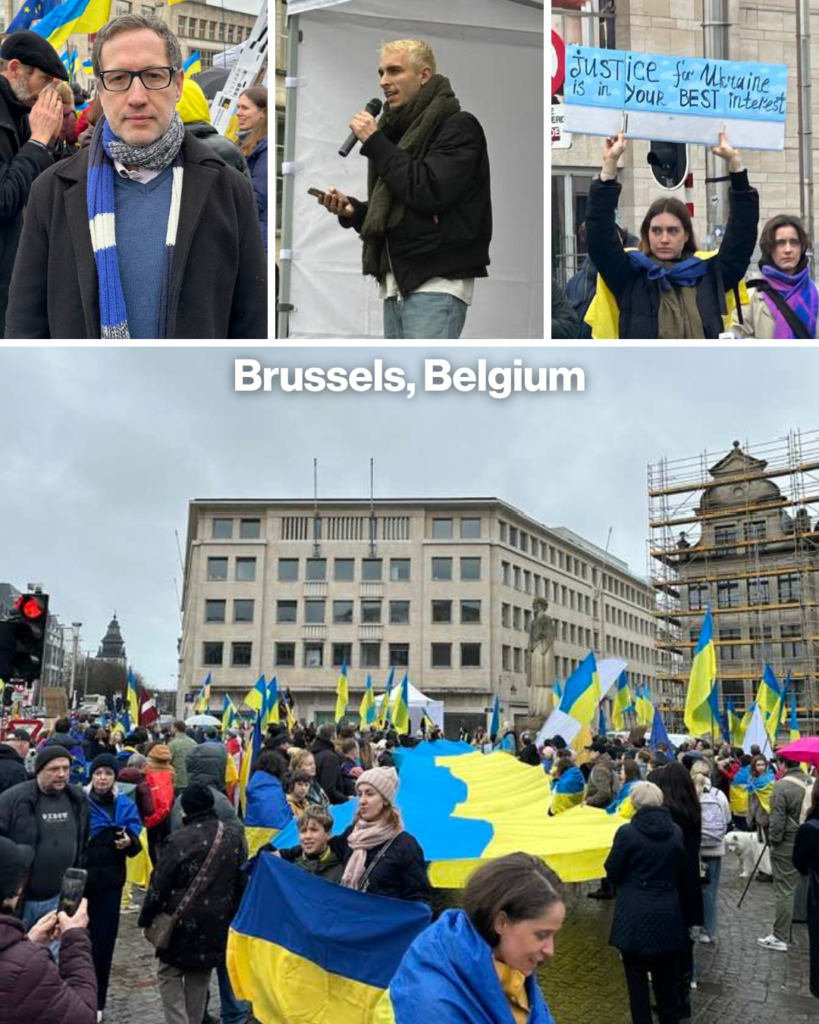
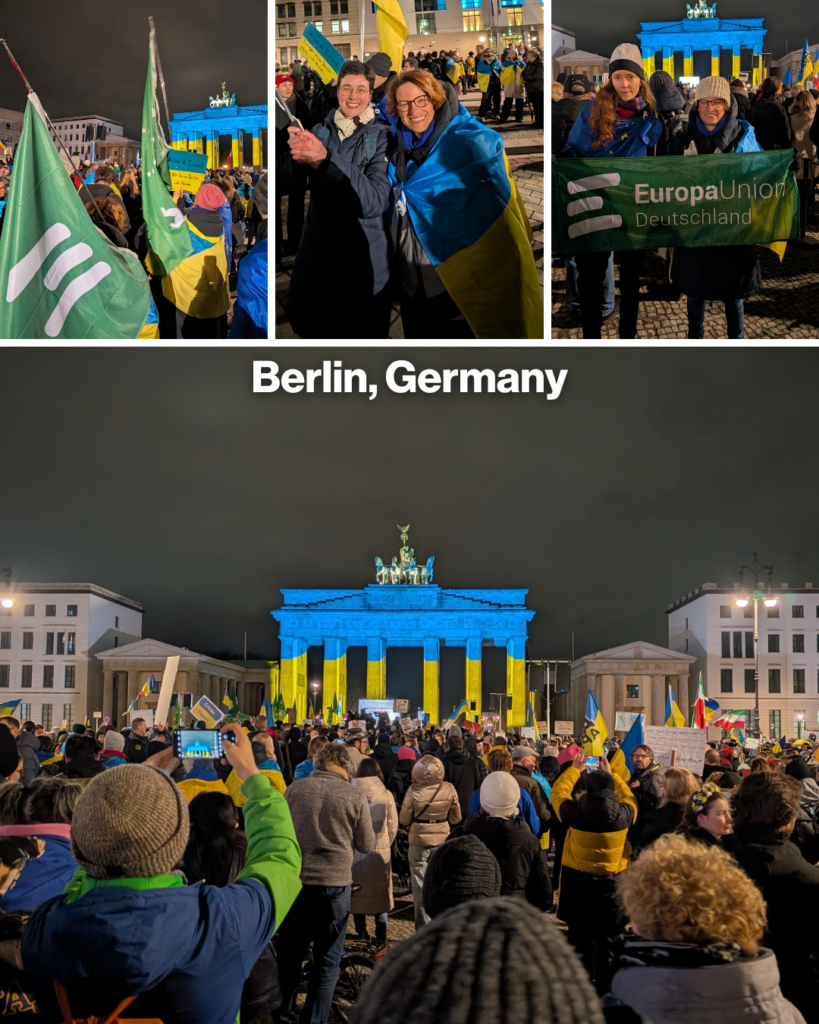
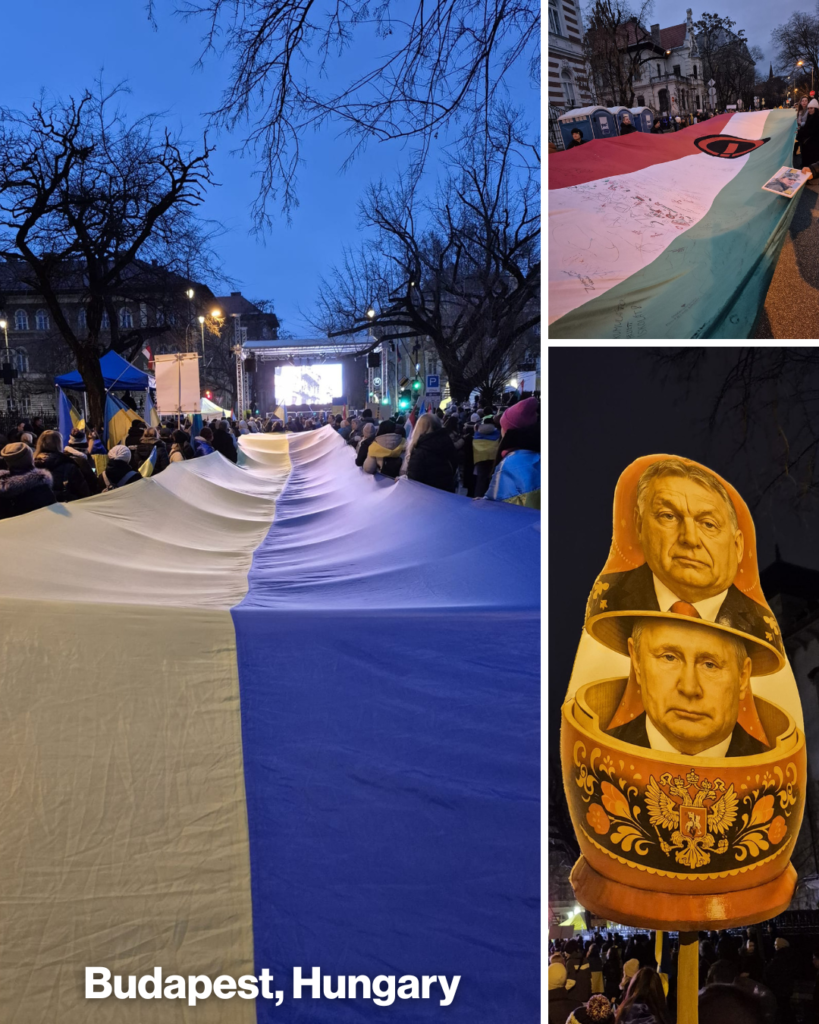
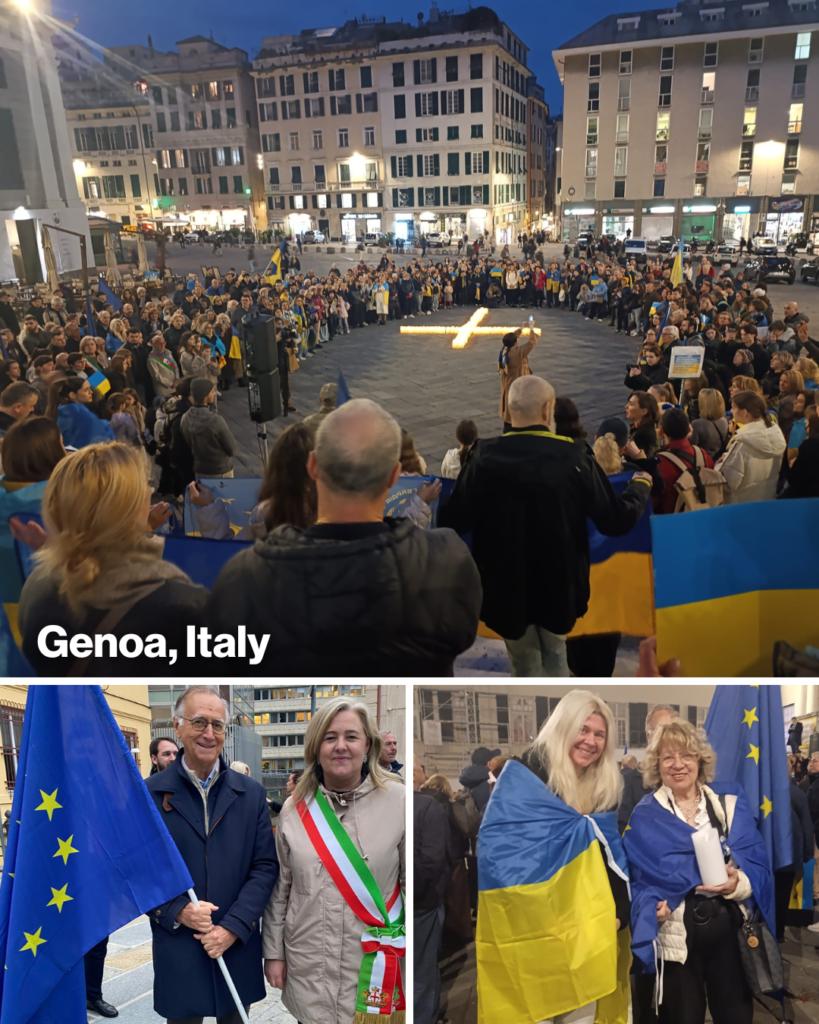
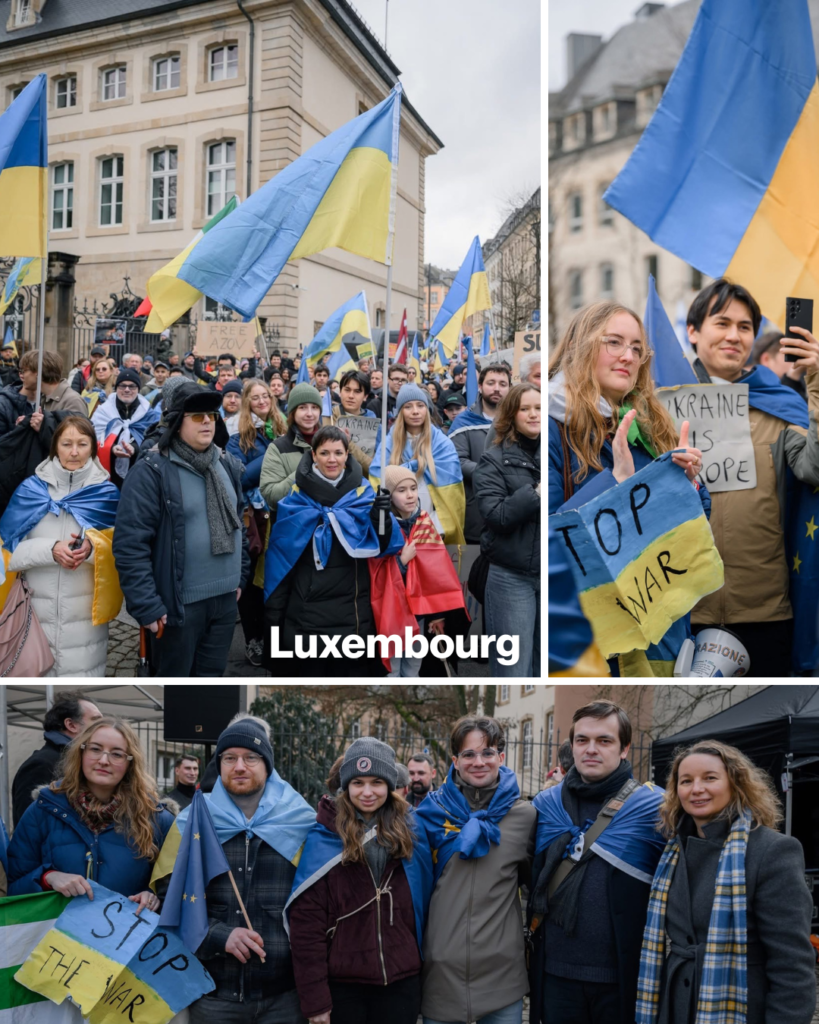
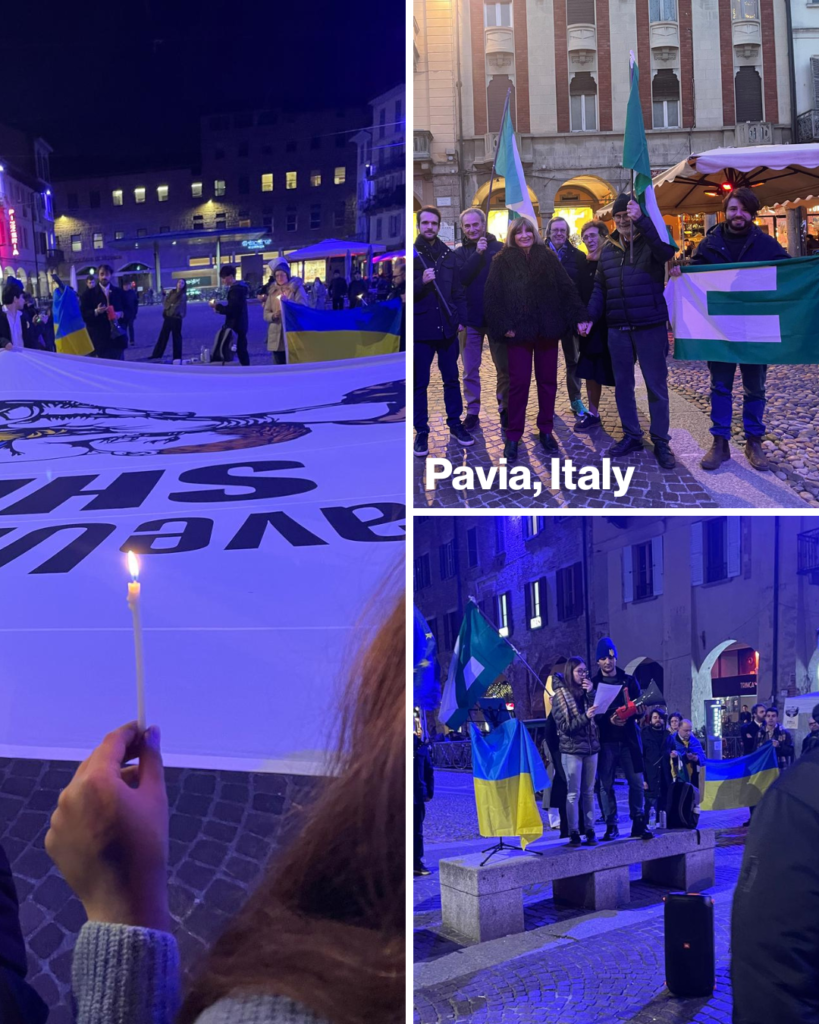
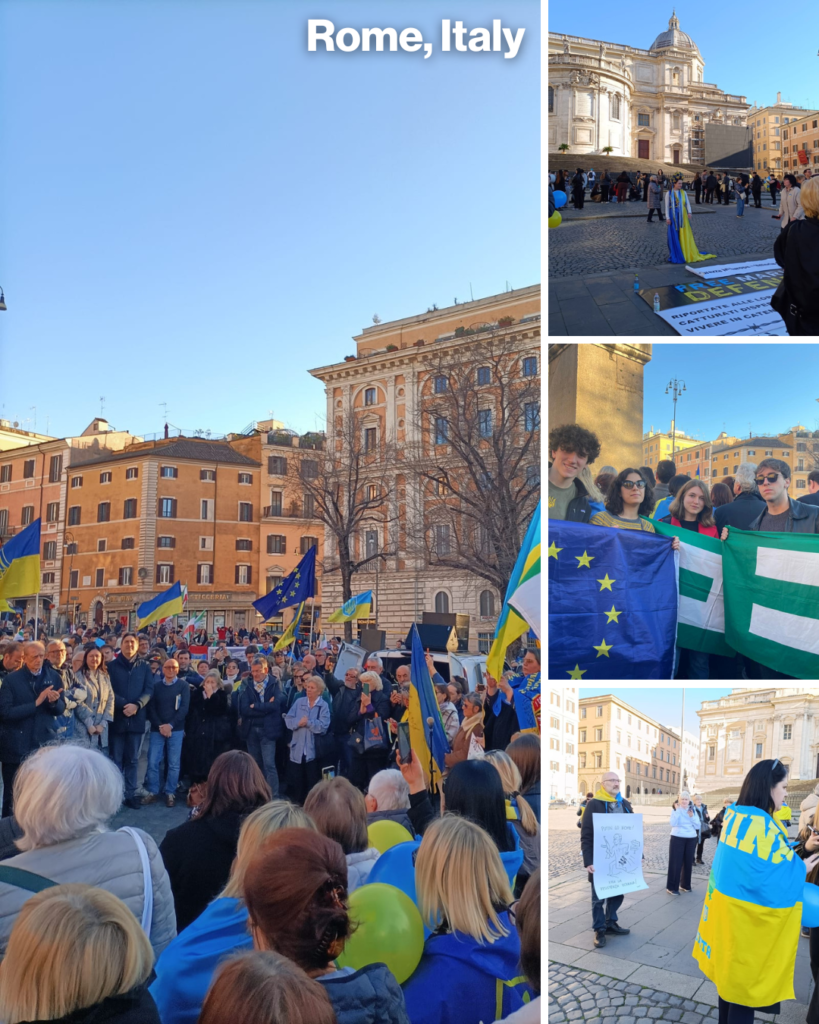
In the fourth year since Russia’s full-scale invasion of Ukraine, European Federalists took to the streets in 17 cities across Europe to send one clear message: Ukraine is not alone.
From Berlin to Vienna, from Brussels to Rome — and in Bremen, Paris, Strasbourg, Luxembourg, Munich, Lyon, Bucharest, Budapest, Florence, Genoa, Verona, Vicenza and Pavia — our movement showed up, united and determined.
One shared commitment: Ukraine’s future belongs in the heart of Europe.
For freedom. For peace. For a stronger, more united Europe.
Brussels, 11 April 2024
The 146-page “Responsibility for Germany” Coalition Agreement (in brief Agreement) was presented on 9 April 2025 by the representatives of the Christlich Demokratische Union Deutschlands (CDU), Christlich-Soziale Union in Bayern (CSU) and Sozial Demokratische Partei Deutschlands (SPD) after close to a month of negotiations. The compromise package is intended to form the basis for cooperation between the three parties, which would build the German Federal Government for the next four years. As the most populous Member State and the one with the highest GDP among the 27, Germany should embrace its specific position within the EU in a manner that serves the entire Union.
The fifth of six chapters focuses on “Europe” that starts with these words “The EU is a guarantor of freedom, peace, security and prosperity. These values are under intense pressure from historical changes. The times demand courage, determination and European responses. Our country can only have a positive future with a strong and democratic EU. We will exploit every possibility to strengthen the EU's capacity for action and strategic sovereignty.”
According the three coalition parties, German interests are very much intertwined with European interests. “Germany is poised to take on more responsibility in and for Europe, as declared by the future government. This is a positive development and long overdue.” declared Christian Moos, the Secretary General of Europa Union Deutschland (EUD).
The European Federalists welcomes this document because it shares a common vision of strengthening Europe's defence capabilities, as issued by the recent Memorandum on a European Defence Union (in brief Memorandum) published by the Action Committee for the United States of Europe, that was sent to the main European policymakers at 5th March 20251 in view of the upcoming meeting of the European Council on 6th March, the Plenary of the European Parliament of 10th March, and the publication of the White Paper on Defence on 19th March, 2025.
Many elements of the Coalition Agreement are in convergence with the Memorandum showing that the German coalition’s political stances are in line with the aspiration of the European Federalists. Here below the main points of convergences:
1. Advancing a European Defence Union
Both documents promote the strategic autonomy of the European Union and support closer cooperation with NATO while building a robust European defence pillar.
The agreement acknowledges NATO’s continued role as the cornerstone of collective defence for many EU members (“For many Member States, NATO remains the guarantor of collective security.”) but advocates for the creation of the European Pillar of the NATO.
2. Standardisation, interoperability and joint defence industrial cooperation
Both plans stress the importance of harmonising weapons systems and operational standards to improve battlefield effectiveness and reduce inefficiencies. There is strong agreement on the need to overcome industrial fragmentation in Europe and to encourage joint investment, R&D, and procurement of European-made defence technologies.
The Coalition Agreement and the Memorandum support expanding the EU's operational capabilities, encouraging:
- A stronger European defence industry cooperation,
- The development of key technologies
- Joint defence projects among Member States
- A unified European defence market with coordinated export rules
Both documents highlight the strategic importance of space, cybersecurity, AI, and advanced technologies in Europe's future defence architecture.
2. Strategic use of Permanent Structured Cooperation (PESCO)
PESCO is presented as a key tool in both documents for enabling a core group of member states to deepen integration in security and defence. In the Agreement is written that PESCO projects have to strengthen “European strategic sovereignty".
The agreement strongly emphasizes solidarity with Ukraine and strengthening European defence to protect freedom and peace: this implies a political commitment to collective security.
3. European financing instruments for defence
Both documents advocate for the use of EU-level funding and new financial tools to support defence spending, including exempting such investments from deficit rules under the Stability and Growth Pact.
But Germany reaffirms its commitment to fiscal prudence, opposing the permanent mutualization of debt within the EU. While supporting existing recovery instruments such as NextGenerationEU, the coalition emphasizes that extraordinary financial tools must remain temporary and exceptional.
However, Merz has requested that the German constitutional brake on debt be removed in order to launch a major investment plan for defence and infrastructure (potentially more than one trillion euros) that will allow Germany to grow economically to the benefit of other EU countries and increase its defence capacity.
4. Support for Ukraine as a shared security frontier
Each text recognises Ukraine’s defence as central to European security and the international rules-based order.
5. Deepening European Institutions: Openness to Treaty reform (Article 48 TEU)
While the Memorandum urgently calls for reforming the EU treaties to remove veto powers and increase integration, the coalition agreement states:
“Where necessary, we are open to treaty changes under Article 48 TEU.”
— signalling a cautious yet notable openness to legal and institutional reforms.
The coalition supports the use of “passerelle clauses” which would allow moving beyond unanimity voting in decision-making to the qualified majority in certain political areas and encourages closer cooperation among willing member states.
The followings points of the Memorandum are absent in the Coalition Agreement:
- No reference to a permanent 28th European Army in the German coalition agreement
The Memorandum calls for the establishment of a new European Army as part of a European Defence System (EDS). This idea is absent from the coalition text.
- Lack of nuclear deterrence integration
While the Memorandum advocates Europeanising France’s nuclear capabilities with shared funding, this is not addressed by the German Coalition.
The Union of European Federalists welcomes also two points that are in line with our political request to the EU Member States Governments.
1. Clear Support for EU Enlargement but with Institutional Deepening in parallel
The coalition expresses strong political backing for the accession of Ukraine, Moldova, and countries of the Western Balkans. Germany proposes a step-by-step integration process for candidate countries, including partial participation in EU programs.
Institutional reforms are seen as a necessary parallel step to ensure the EU’s capacity to absorb new member states. The UEF calls on governments, national politics, and European institutions to tackle the EU capacity to enlarge with its last statement “Is the European Union at risk of losing the enlargement battle as well?” approved in Budapest, 16 November 2024.
2. Reforming the European Parliament’s Electoral Law
The Koalitionsvertrag 2025 explicitly endorses the introduction of transnational electoral lists as part of a broader effort to strengthen democratic legitimacy and political discourse at the European level. The new coalition government commits to supporting a uniform European electoral law that includes transnational lists, with the aim of fostering a truly pan-European democratic space.
This position aligns with UEF's advocacy during the last European elections and with the Resolution of December 12, 2023, on the European Elections 2024, for which UEF President Domenec Ruiz Devesa served as Rapporteur during his term as an MEP from 2019 to 2024.
"The Union of European Federalists very much welcomes the clear commitment of the coalition partners for a stronger and more integrated European Union. On a European Defence Union, we noticed in many points similarities with our recent Memorandum on European Defence Union by the Action Committee for the United States of Europe." says Domenec Ruiz Devesa, President of the UEF and former MEP.
“The position of the coalition agreement on the necessary institutional reforms also follows the positions that the UEF and its national sections have been calling for some time: there cannot be enlargement without deepening. To go faster in these very versatile and unstable times of emergency and to create trust among member states, it is necessary to use all the possibilities relying in the Treaties, but sooner or later it will be necessary to open up the reform of the Treaties according to art. 48 as requested by the European Parliament in November 2023”.
The coalition treaty between the CDU, CSU, and SPD includes calls and commitments for a more autonomous and capable European Union, emphasizing 'strategic sovereignty' for Europe, particularly in response to current geopolitical challenges. These positions align closely with those of the UEF.
The goals are ambitious and promising. Germany has the potential to bring new momentum and drive the necessary deepening of the European Union. The coalition treaty has raised hopes and expectations. The challenge now is to translate these words into action.
You can read here the German version.
The European Letter is back and it is dedicated to the Mario Draghi's Report.
Mario Draghi's Report on the Future of European Competitiveness analyses Europe's decline with irrefutable data, and identifies internal fragmentation as the primary reason for the EU's inability to advance the common European interest and to mobilise sufficient resources for innovation and economic development. The solution indicated by Draghi is to equip Europe with the political-institutional instruments to act united as often as necessary, on many interdependent political levels. For this it is indispensable to introduce the necessary institutional changes in the Union by reforming the Treaties.
The European Letter is published in 7 languages - from the edition 77 - under the auspices of the Luciano Bolis European Foundation in cooperation with the Union of European Federalists.
The European Letter is a periodical publication started in 1997 with the aim of stimulating political debate in national parliaments and governments, and in the European Parliament.
The European Letter 82 entitled "Draghi's Plan for Europe: To Be Competitive, the Union Must Be Reformed", is sent to parliamentarians in the following legislative bodies:
- European Parliament
- Bundestag
- Parliament of the French Republic
- Parliament of the Italian Republic
- Cortes generales (Spanish Parliament)
- Nationalrat (Austrian Parliament)
- Belgian Federal Parliament
- Hellenic Parliament
- Parlamentul României
Here the version avaiable:
The European Letter is back and it is dedicated to the post European Elections.
The election of Ursula Von Der Leyen as President of the Commission with the vote of the pro-European forces sends an important signal of stability, also reinforced by the downsizing of the Rassemblement national in France after the legislative elections. In her keynote speech, she also announced the next Commission's commitment to treaty reform. The window of opportunity to reform the Union thus remains open, however complex. In the meantime, history continues to knock on Europe's doors to finally come of age and assume its responsibilities.
The European Letter is published in 7 languages - from the edition 77 - under the auspices of the Luciano Bolis European Foundation in cooperation with the Union of European Federalists.
The European Letter is a periodical publication started in 1997 with the aim of stimulating political debate in national parliaments and governments, and in the European Parliament.
The European Letter 81 entitled "After the election of the EU Parliament, the reform of the EU Treaties enters into the agenda of the new European Commission", is sent to parliamentarians in the following legislative bodies:
- European Parliament
- Bundestag
- Parliament of the French Republic
- Parliament of the Italian Republic
- Cortes generales (Spanish Parliament)
- Nationalrat (Austrian Parliament)
- Belgian Federal Parliament
- Hellenic Parliament
- Parlamentul României
Here the version avaiable:
The European Letter is back and it is dedicated to the European Elections.
In the aftermath of the political earthquake caused by the results of the European elections, it is increasingly clear that the construction of a democratic European sovereignty is the only way to stop the plan for democratic and civic backwardness carried out by nationalist and anti-European forces.
At the start of the new legislature, it is therefore imperative that the pro-European forces make their support for the new Commission conditional, not only on support for Ukraine in its resistance to Russian aggression, first and foremost on a commitment to support the European Parliament in its call for reform of the Treaties and to fight for the convening of the Convention.
The European Letter is published in 7 languages - from the edition 77 - under the auspices of the Luciano Bolis European Foundation in cooperation with the Union of European Federalists.
The European Letter is a periodical publication started in 1997 with the aim of stimulating political debate in national parliaments and governments, and in the European Parliament.
The European Letter 80 entitled "European Elections 2024: The fight between European Federalists and Nationalists has just begun", is sent to parliamentarians in the following legislative bodies:
- European Parliament
- Bundestag
- Parliament of the French Republic
- Parliament of the Italian Republic
- Cortes generales (Spanish Parliament)
- Nationalrat (Austrian Parliament)
- Belgian Federal Parliament
- Hellenic Parliament
- Parlamentul României
Here the version avaiable:

Austria [1]
- Christoph Wilhelm Perner, NEOS - Das neue Europa und liberales Forum, Renew Europe
- Tobias Hansen, Volt, Greens/EFA
Belgium [2]
- Léa Charlet, ECOLO, Greens/EFA
- Arslan Jurion, Volt Europa, Non-inscrits
- Bram Vandeninden, Volt Europa, Greens/EFA
- Estelle Ceulemans, Parti Socialiste, PES - Progressive Alliance of Socialists & Democracts
- Guy Verhofstadt, Open Vlaamse Liberalen en Democraten – Open VLD, Renew
- Lucas Thijs, Volt Europa/Volt België, Greens/EFA
- Selina Adedeji Mortoni, Ecolo, Greens/EFA
- Sophie in ‘t Veld, Volt, Renew Europe
Bulgaria [3]
- Bogomil Svetoslav Georgiev, We Continue the Change - Democratic Bulgaria, EPP - European People Party
- Dimitar Evgeniev Dimitrov, We Continue the Change - Democratic Bulgaria, EPP - European People Party
Czech Republic [4]
- Adam Hanka, SEN21 a Volt Česko, Non-inscrits
- Adam Hruška, Volt Czechia, Greens/EFA
- Slavomír Maňásek, Volt Czechia, Greens/EFA
France [5]
- Anne Grau, Volt France / Coalition ETE, Non-inscrits
- Bruno Seigle-Murandi, Volt France / Coalition ETE, Non-inscrits
- Céline Geissmann, Parti socialiste, PES - Progressive Alliance of Socialists & Democracts
- Frédéric Orain, Parti socialiste, PES - Progressive Alliance of Socialists & Democracts
- Murielle Laurent, Place Publique / Parti Socialiste, PES - Progressive Alliance of Socialists & Democracts
- Sandro Gozi, List "Besoin d'Europe" | European Democratic Party Sec Gen, Renew Europe
- Silvain Charles, Parti socialiste, PES - Progressive Alliance of Socialists & Democracts
- Sophia Popoff, Europe Ecologie Les Verts, Greens/EFA
- Sven Franck, Volt France / Coalition ETE, Greens/EFA
- Verilhac Aubin, Parti Socialiste, PES - Progressive Alliance of Socialists & Democracts
Germany [6]
- Daniel Freund, Bündnis 90/Die Grünen, Greens/EFA
- Dinh Dat Hoang, SPD, PES - Progressive Alliance of Socialists & Democracts
- Dr. Sebastian Camarero, Sozialdemokratische Partei Deutschland (SPD), PES - Progressive Alliance of Socialists & Democracts
- Gabriele Bischoff, SPD, PES - Progressive Alliance of Socialists & Democracts
- Hannah Neumann, Bündnis 90/ Die Grünen, Greens/EFA
- Helmer Krane, FDP - Freie Demokratische Partei, Renew Europe
- Jan-Christoph Oetjen, FDP, Renew Europe
- Kai Tegethoff, Volt, Greens/EFA
- Kalojan Hoffmeister, Volt Deutschland, Greens/EFA
- Kevin Dierkes, Die PARTEI, Non-inscrits
- Maria Noichl, SPD, PES - Progressive Alliance of Socialists & Democracts
- Markus Ferber, Christlich-Soziale Union in Bayern e.V., EPP - European People Party
- Rasmus Andresen, Bündnis 90/die Grünen, Greens/EFA
- René Repasi, SPD, PES - Progressive Alliance of Socialists & Democracts
- Rosanna Martens, Die PARTEI, Non-inscrits
- Samet Mutlu, SPD, PES - Progressive Alliance of Socialists & Democracts
- Severin Eder, SPD, PES - Progressive Alliance of Socialists & Democracts
Greece [7]
- Andreas Spiropoulos, PASOK , PES - Progressive Alliance of Socialists & Democracts
- Ioanna (Gianna) Tzanidakis, Volt Elladas (on the ballot paper of KOSMOS), Greens/EFA
- Panagiotis Ath. Grendis, Kosmos, Greens/EFA
- Petros Kokkalis, Kosmos, Greens/EFA
Hungary [8]
- Anna Donáth, Momentum Mozgalom, Renew Europe
- Sándor Ronai, Demokratikus Koalíció, PES - Progressive Alliance of Socialists & Democracts
Italy [9]
- Agnese Santarelli, Alleanza Verdi Sinistra, The Left
- Alberto Bosi, Alternativa Popolare, EPP - European People Party
- Alessandra Moretti, Partito Democratico, PES - Progressive Alliance of Socialists & Democracts
- Alessandro Tommasi, Lista "Siamo Europei", Azione, NOS, Renew Europe
- Alessia Morani, Partito Democratico, PES - Progressive Alliance of Socialists & Democracts
- Alessio D’Amato, Lista "Siamo Europei", Azione, Renew Europe
- Alfonso Maria Gallo, Lista "Stati Uniti d’Europa", +Europa, Renew Europe
- Andrea Bardin, MoVimento 5 Stelle, Non-inscrits
- Andrea John Dejanaz, Alleanza Verdi e Sinistra, Greens/EFA
- Andrea Zanoni, Partito Democratico, PES - Progressive Alliance of Socialists & Democracts
- Angela Maria Quaquero, Partito Democratico, PES - Progressive Alliance of Socialists & Democracts
- Annunziata Coppola, MoVimento 5 Stelle, Non-inscrits
- Antonio Cenini, Forza Italia, EPP - European People Party
- Antonio Mumolo, Partito Democratico, PES - Progressive Alliance of Socialists & Democracts
- Antonio Nicita, Partito Democratico, PES - Progressive Alliance of Socialists & Democracts
- Antonio Rubino, Lista "Stati Uniti d’Europa", Renew Europe
- Antonnella Soldo, Lista "Stati Uniti d'Europa", Renew Europe
- Arianna Bettin, Alleanza Verdi e Sinistra, The Left
- Aurora Pezzuto, Stati Uniti d'Europa, Renew
- Beatrice Covassi, Partito Democratico, PES - Progressive Alliance of Socialists & Democracts
- Brando Benifei, Partito Democratico, PES - Progressive Alliance of Socialists & Democracts
- Brigitte Foppa, Alleanza Verdi e Sinistra, Greens/EFA
- Camilla Laureti, Partito Democratico, PES - Progressive Alliance of Socialists & Democracts
- Carlo Calenda, Lista "Siamo Europei", Azione, Renew Europe
- Carola Politi, list "Stati Uniti d'Europa", Renew Europe
- Carolina Morace, MoVimento 5 Stelle, Non-inscrits
- Caterina Avanza, Lista "Siamo Europei", Azione, Renew Europe
- Cecilia Strada, Partito Democratico, PES - Progressive Alliance of Socialists & Democracts
- Cesidio Antidormi, Movimento 5 Stelle, Non-inscrits
- Cinzia Pilo, MoVimento 5 Stelle, Non-inscrit
- Cristina Andretta, Forza Italia, EPP - European People Party
- Cristina Bibolotti, Lista "Siamo Europei", Azione, Renew Europe
- Cristina Guarda, Alleanza Verdi e Sinistra, Greens/EFA
- Cristina Lodi, Lista "Siamo Europei", Azione, Renew Europe
- Daniela Rondinelli, Partito Democratico, PES - Progressive Alliance of Socialists & Democracts
- Daria De Luca, List "Stati Uniti d'Europa", Partito Socialista Italiano, Renew Europe
- Davide Bendinelli, Lista "Stati Uniti d'Europa", Italia Viva, Renew Europe
- Diego Nicolini, MoVimento 5 Stelle, Non-inscrits
- Donatella Alfonso, Partito Democratico, PES - Progressive Alliance of Socialists & Democracts
- Elena Accossato, Partito Democratico, PES - Progressive Alliance of Socialists & Democracts
- Elena Bonetti, Lista "Siamo Europei", Azione, Renew Europe
- Eleonora Evi, Partito Democratico, PES - Progressive Alliance of Socialists & Democracts
- Elisabetta Gualmini, Partito Democratico, PES - Progressive Alliance of Socialists & Democracts
- Emanuela Pistoia, Lista "Stati Uniti d’Europa", Renew Europe
- Emanuele Ceccato, MoVimento 5 Stelle, Non-inscrits
- Enrica Cattaneo, List "Stati Uniti d'Europa", Partito Socialista Italiano, Renew Europe
- Enzo Maraio, List "Stati Uniti d'Europa", Partito Socialista Italiano, Renew Europe
- Eric Mauritin Jozsef, Lista "Stati Uniti d'Europa", Renew Europe
- Fabio Bottero, Partito Democratico, PES - Progressive Alliance of Socialists & Democracts
- Fabio Pizzul, Partito Democratico, PES - Progressive Alliance of Socialists & Democracts
- Fabio Valcanover, list "Stati Uniti d'Europa", Renew
- Federica Sabbati, Lista "Siamo Europei", Azione, Renew Europe
- Federica Valcauda, Lista "Siamo Europei", Azione, Renew Europe
- Federico Giacobbe, Lista "Siamo Europei", Azione, Renew Europe
- Federico Pizzarotti, List "Siamo Europei" - Azione, Renew Europe
- Federico Rossi, Lista "Stati Uniti d’Europa", Italia Viva, Renew Europe
- Flavio Tosi, Forza Italia, EPP - European People Party
- Francesco Cappelletti, Liberali Democratici Europei, Renew Europe
- Francesco Muscau, AVS Alleanza Verdi e Sinistra, Greens/EFA
- Gabriella Chiellino, Lista "Stati Uniti d’Europa", Renew Europe
- Gabriella Zanzanain, Lista "Siamo Europei", Azione, NOS, Renew Europe
- Germano Craia, Lista "Siamo Europei", Azione, Renew Europe
- Giacomo Zattini, Movimento 5 Stelle, Non-inscrits
- Gianluca Carlo Misuraca, Lista "Stati Uniti d’Europa", +Europa, Renew Europe
- Gianluca Ferrara, MoVimento 5 Stelle, Non-inscrits
- Gianna Gancia, Lega, ID - Identity and Democracy
- Giorgio Gori, Partito Democratico, PES - Progressive Alliance of Socialists & Democracts
- Giorgio Pasetto, Lista "Stati Uniti d'Europa", Renew Europe
- Giovanna Basile, MoVimento 5 Stelle, Non-inscrits
- Giovanni Barosini, Lista "Siamo Europei", Azione, Renew Europe
- Giulia Pigoni, List "Stati Uniti d'Europa", Italia Viva, Renew Europe
- Graham Watson, List "Stati Uniti d’Europa" | Party "Liberal Democratici Europei", Renew Europe
- Irene Tinagli, Partito Democratico, PES - Progressive Alliance of Socialists & Democracts
- Ivan Pedretti, Partito Democratico, PES - Progressive Alliance of Socialists & Democracts
- Jean-François, Camille Pr Dr Boudard, MoVimento Cinque Stelle, Non-inscrits
- Kateryna Shmorhay, Lista "Stati Uniti d’Europa", Renew Europe
- Lara Bisin, List "Siamo Europei" - Azione, Renew Europe
- Leonardo Lotto, Lista "Siamo Europei", Azione, Renew Europe
- Lidia Tilotta, Partito Democratico, PES - Progressive Alliance of Socialists & Democracts
- Lorenzo Gennari, Partito Democratico, PES - Progressive Alliance of Socialists & Democracts
- Luca Jahier, Partito Democratico, PES - Progressive Alliance of Socialists & Democracts
- Luca Pietro Ungaro, Lista "Siamo Europei", Azione, Renew Europe
- Lucrezia Iurlaro, Alleanza Verdi e Sinistra, The Left
- Maddalena Calia, Forza Italia - Noi Moderati, EPP - European People Party
- Marcello Saltarelli, Volt (as indipendent in Partito Democratico), Greens/EFA
- Marco Giovanni Reguzzoni, Forza Italia, EPP - European People Party
- Marco Pacciotti, Partito Democratico, PES - Progressive Alliance of Socialists & Democracts
- Marco Taradash, Lista "Stati Uniti d’Europa", Renew Europe
- Marco Tarquinio, Partito Democratico, PES - Progressive Alliance of Socialists & Democracts
- Maria Laura Moretti, Liberal Democratici Europei, Renew Europe
- Mariangela Sturaro, Movimento 5 Stelle, Non-inscrits
- Marina Sorina, Lista "Stati Uniti d'Europa", +Europa, Renew Europe
- Massimo Seri, Lista "Siamo Europei", Azione, Renew Europe
- Matteo Di Maio, Lista "Stati Uniti d'Europa", Renew Europe
- Michele Cossa, Riformatori-Noi Moderati - Forza Italia, EPP - European People Party
- Matteo Ricci, Partito Democratico, PES - Progressive Alliance of Socialists & Democracts
- Michele Franchi, Partito Democratico, PES - Progressive Alliance of Socialists & Democracts
- Mohamed Kamel Malak, MoVimento 5 Stelle, Non-inscrits
- Muharem Salihu, List "Stati Uniti d’Europa", +Europa, Renew Europe
- Nadia Gallo, Liberali Democratici Europei, Renew Europe
- Nicola Trudu, List "Siamo Europei" - Azione, Renew Europe
- Nicola Zingaretti, Partito Democratico, PES - Progressive Alliance of Socialists & Democracts
- Paola Gazzolo, Partito Democratico, PES - Progressive Alliance of Socialists & Democracts
- Paola Giudiceandrea, Partito Democratico, PES - Progressive Alliance of Socialists & Democracts
- Paolo Trande, Alleanza Verdi e Sinistra, The Left
- Patrizia Toia, Partito Democratico, PES - Progressive Alliance of Socialists & Democracts
- Pierfrancesco Maran, Partito Democratico, PES - Progressive Alliance of Socialists & Democracts
- Pierluigi Vossi, Alleanza Verdi e Sinistra, Greens/EFA
- Pietro Bartolo, Partito Democratico, PES - Progressive Alliance of Socialists & Democracts
- Pina Picierno, Partito Democratico, PES - Progressive Alliance of Socialists & Democracts
- Raffaella Paita, list "Stati Uniti d'Europa" - Italia Viva, Renew Europe
- Rosa D'Amato, Alleanza Verdi e Sinistra, Greens/EFA
- Rosaria Tassinari, Forza Italia, EPP - European People Party
- Sabrina Pignedoli, MoVimento 5 Stelle, Non-inscrits
- Salvatore De Meo, Forza Italia, EPP - European People Party
- Sara Vito, Partito Democratico, PES - Progressive Alliance of Socialists & Democracts
- Sean Sacco, MoVimento 5 Stelle, Non-inscrits
- Sergio Romagnoli, MoVimento 5 Stelle, Non-inscrits
- Silvia Panini, Volt (as indipendent in Partito Democratico), Greens/EFA
- Simona Cosso, Alleanza Verdi e Sinistra, The Left
- Simone Verni, MoVimento 5 Stelle, Non-inscrits
- Simona Viola, list "Stati Uniti d'Europa" - +Europa
- Simonetta Fiaccadori, List "Siamo Europei", Azione, Renew Europe
- Sonia Alfano, List "Siamo Europei" - Azione, Renew Europe
- Stefano Cecere, MoVimento 5 Stelle, Non-inscrits
- Tiziano Busca, List "Stati Uniti d'Europa", Renew Europe
- Ugo Biggeri, MoVimento 5 Stelle, Non-inscrits
- Umberto Costantini, Lista "Siamo Europei", Azione, Renew Europe
- Valentina Pococacio, Movimento 5 Stelle, Non-inscrits
- Vincenzo Camporini, Lista "Siamo Europei", Azione, Renew Europe
Luxembourg [10]
- Daniel Silva, Volt Luxembourg
- Jaroni Conny, Volt Luxemburg
- Marwaha Lara, Volt Luxembourg
- Schannes Philippe, Volt Luxembourg
- Samuel Moïse, Volt Luxembourg
Malta [11]
- Matthias Iannis Portelli, Volt Malta
Netherlands [12]
- Christiaan de Vries, D66, Renew Europe
- Pepijn Pi Van de Venne, D66, Renew Europe
- Raquel García Hermida-van der Walle, D66, Renew Europe
- Ruben Schouten, Volt Europa, Greens/EFA
- Teun Janssen, Volt Nederland, Greens/EFA
- Thijs Reuten, GroenLinks-PvdA, PES - Progressive Alliance of Socialists & Democracts
Romania [13]
- Lupu Andrei-Razvan, Partidul REPER, Renew Europe
- Pislaru Dragos-Nicolae, Partidul REPER, Renew Europe
- Simina Tulbure, Partidul REPER, Renew Europe
- Strugariu Ramona, Partidul REPER, Renew Europe
Spain [14]
- Laura Ballarín Cereza, PSOE, PES - Progressive Alliance of Socialists & Democracts
- Lina Gálvez Muñoz, PSOE, PES - Progressive Alliance of Socialists & Democracts
- Jorge Romanillos de la Flor, PSOE, PES - Progressive Alliance of Socialists & Democracts
- Jonás Fernandez, Partido Socialista Obrero Español, PES - Progressive Alliance of Socialists & Democracts
- Maria Rosa Estaràs Ferragut, Partido Popular, EPP - European People Party
Sweden [15]
- Carri Ginter Wikström, Volt Sweden
- Filip Zackrisson, Liberalerna, Renew Europe
We are pleased to announce that in 30 cities in Europe the action Saturdays For Europe was organized during the weekend of 17-19 November.
The cities are: Afragola (Italy), Alessandria (Italy), Ancona (Italy), Bassano del Grappa (Italy), Bergamo (Italy), Brescia (Italy), Budapest (Hungary), Brussels (Belgium), Faenza (Italy), Ferrara (Italy), Genoa (Italy), Hamburg (Germany), Latina (Italy), Lodi (Italy), Luxembourg , Madrid (Spain), Mainz (Germany), Memmingen (Germany), Milan (Italy), Monza (Italy), Padua (Italy), Paris (France), Pavia (Italy), Pinerolo (Italy), Rueglio (Italy), Stradella (Italy), Strasbourg (France), Turin (Italy), Verona (Italy), Valpolicella (Italy), Zwolle (Netherlands).
On 20 November 18:30-19:30, in Strasbourg at the Foyer de l'étudiant catholique F.E.C., the UEF Secretariat has scheduled a Live Streaming where our activists and local sections representatives will present their activities of the Saturdays for Europe.
Watch here the Live Streaming
We are pleased to announce that in 30 cities in Europe the action Saturdays For Europe was organized during the weekend of 17-19 November.
The cities are: Afragola (Italy), Alessandria (Italy), Ancona (Italy), Bassano del Grappa (Italy), Bergamo (Italy), Brescia (Italy), Budapest (Hungary), Brussels (Belgium), Faenza (Italy), Ferrara (Italy), Genoa (Italy), Hamburg (Germany), Ivrea, (Italy), Latina (Italy), Lodi (Italy), Luxembourg , Madrid (Spain), Mainz (Germany), Memmingen (Germany), Milan (Italy), Monza (Italy), Padua (Italy), Paris (France), Pavia (Italy), Pinerolo (Italy), Rueglio (Italy), Stradella (Italy), Strasbourg (France), Treviso (Italy), Turin (Italy), Verona (Italy), Valpolicella (Italy), Zwolle (Netherlands).
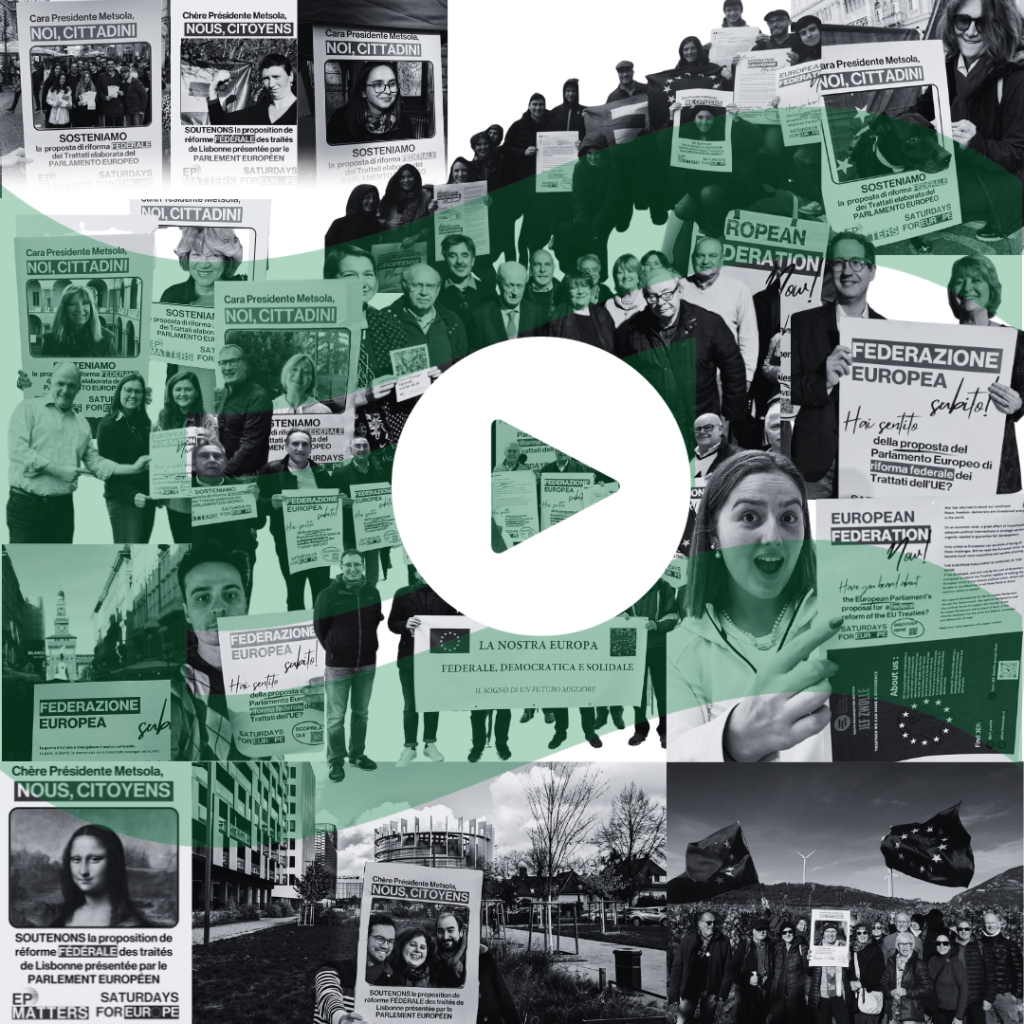
Would you like to share the results of the SaturdaysForEurope?
You can rewatch the event online here