UEF NETWORK ACADEMY 3 | Increasing Organisational Capacity of the Balkanic Federalist Family
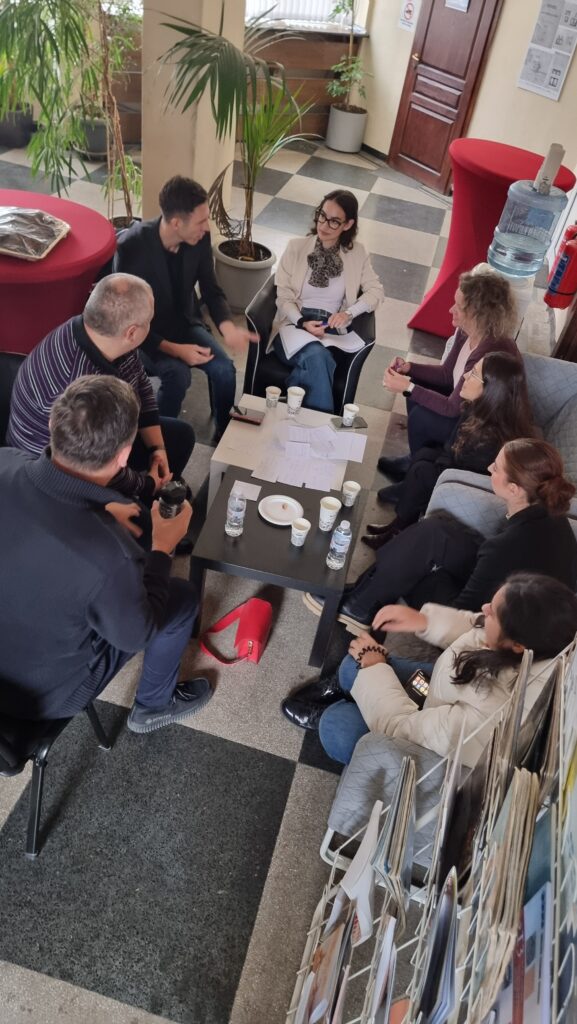
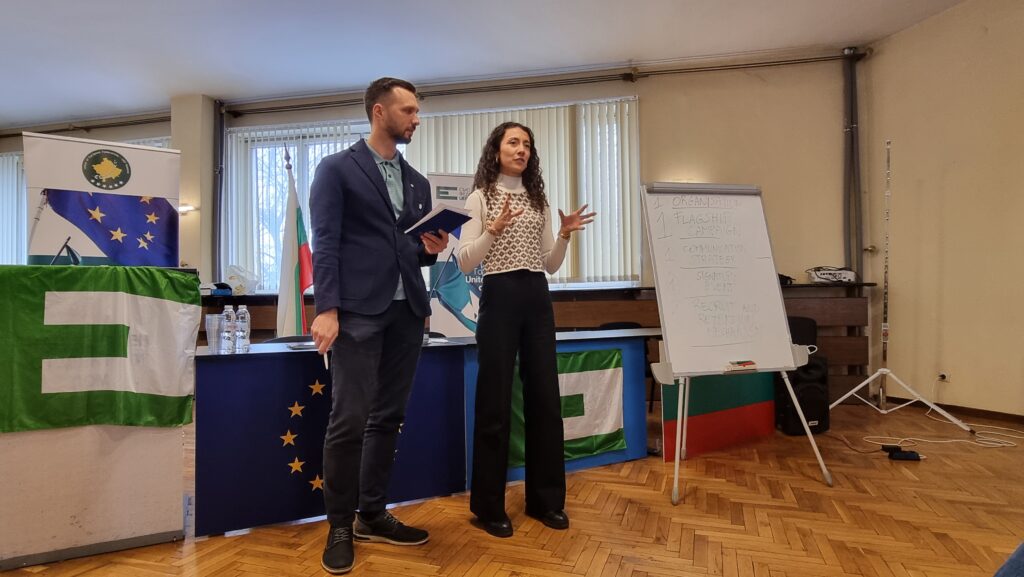
On Sunday, 14 December, the Union of European Federalists organised the in-person workshop “Increasing Organisational Capacity of the Balkanic Federalist Family” in Sofia, Bulgaria, hosted at the National Student House (10 Narodno Sabranie Square).
The workshop was designed as an interactive role-play exercise aimed at strengthening the organisational, strategic, and communicative capacity of federalist sections in the Balkan region. Participants were invited to take part in a simulation that reproduced the challenges faced by three small national UEF sections over the course of one year of activity.
Through collaborative work, strategic decision-making, and collective reflection, the workshop sought to provide participants with practical tools and shared methodologies to support the growth, sustainability, and political impact of federalist organisations operating in complex national contexts.
REPORT
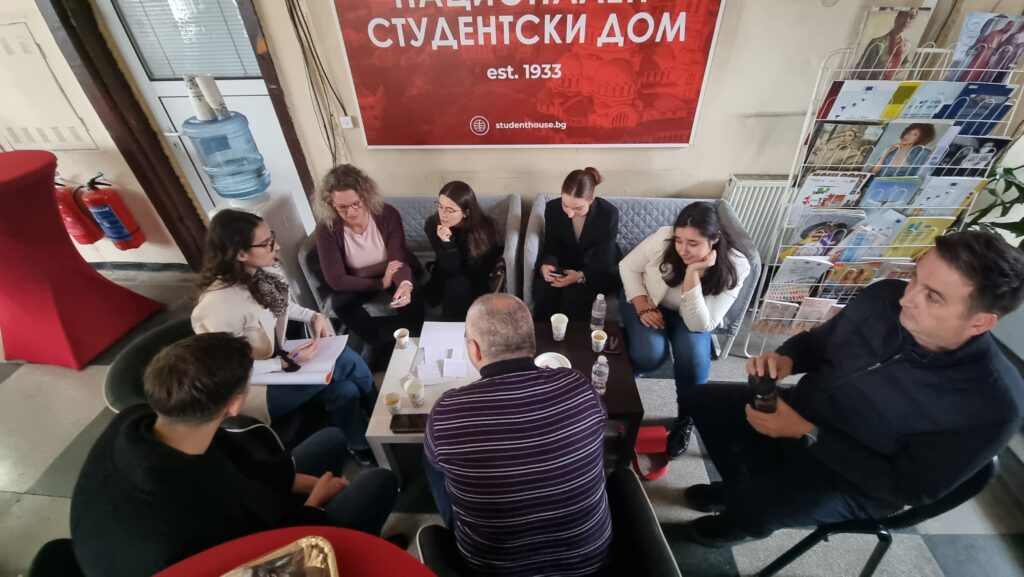
The workshop brought together 27 participants from the UEF sections of Romania, Kosovo, Bulgaria, and Hungary, reflecting the diversity and vitality of the Balkan federalist family.
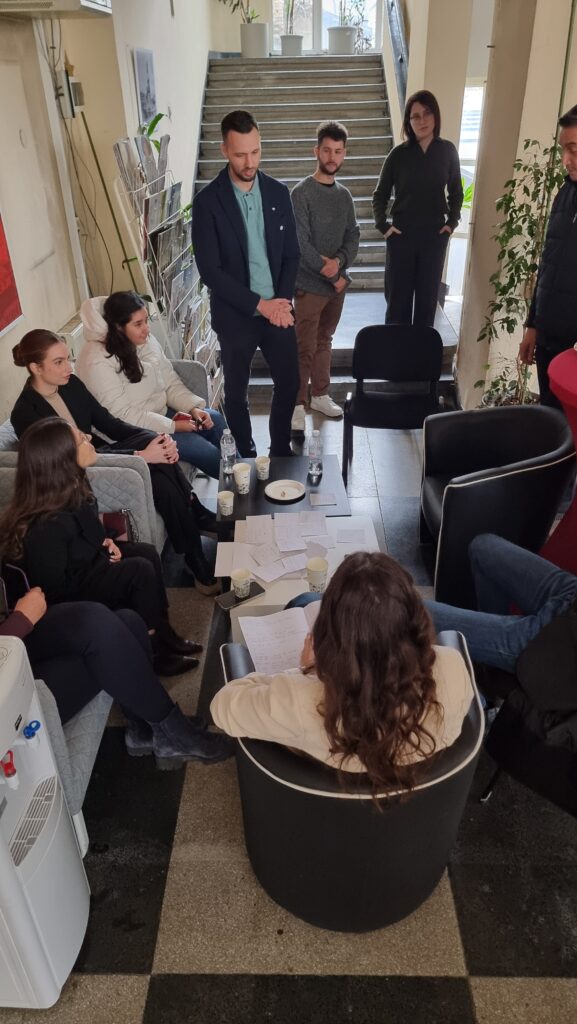
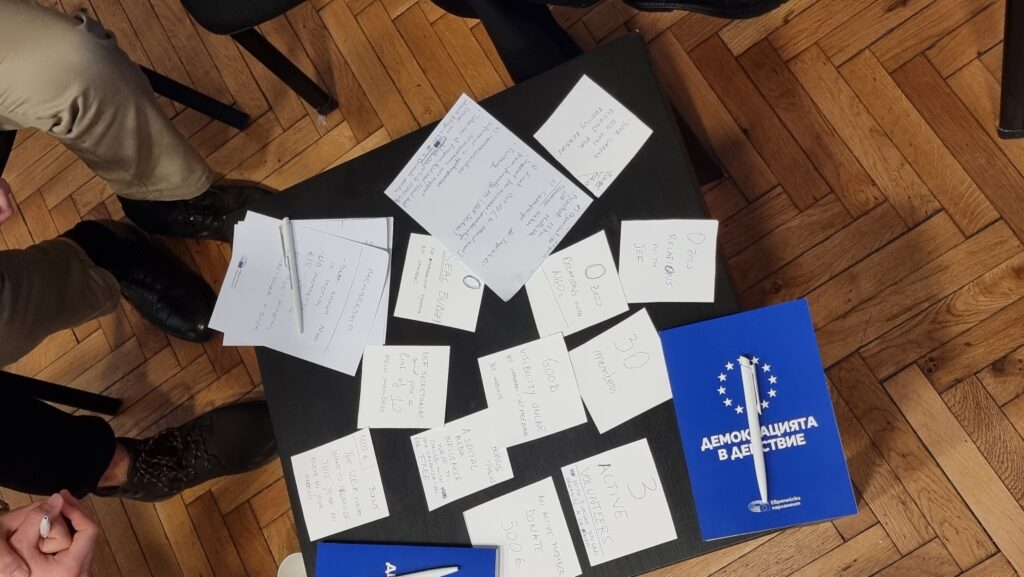
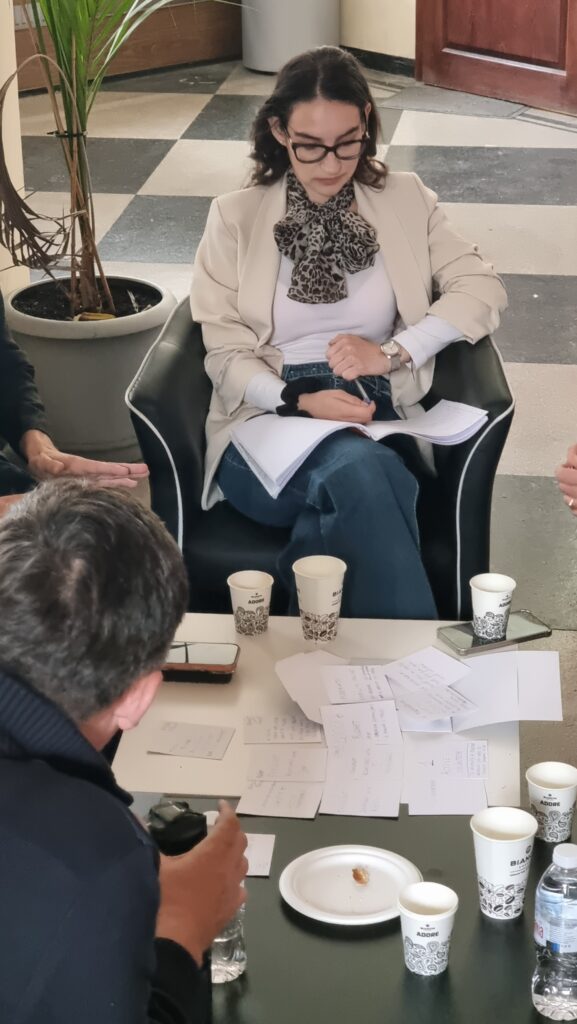
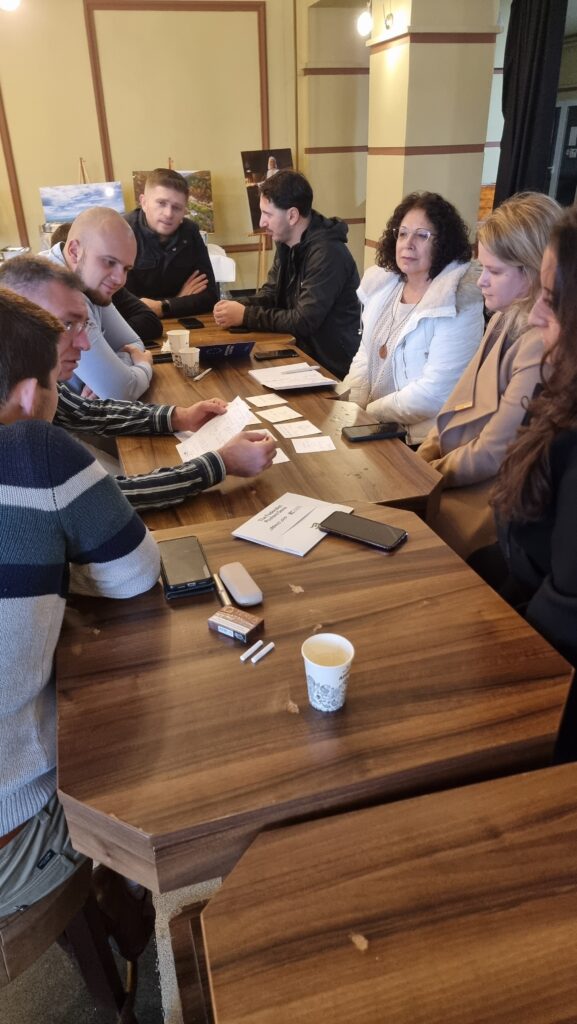
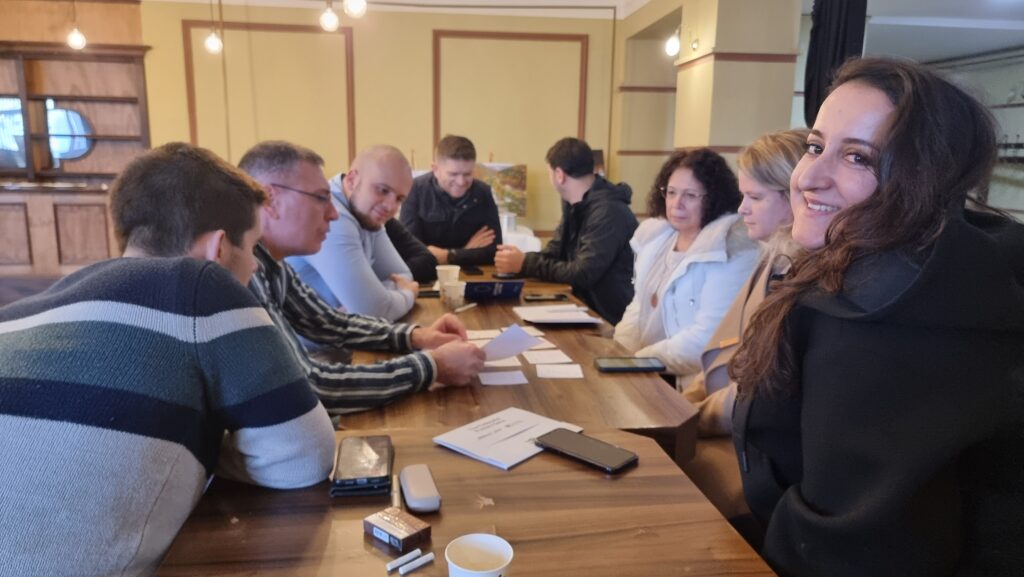
Participants were divided into three working groups, each representing a fictional national UEF section. At the start of the exercise, every group received a sealed envelope containing a set of cards describing the initial conditions of their section, including organisational strengths and weaknesses, political context, available human resources, and external constraints.
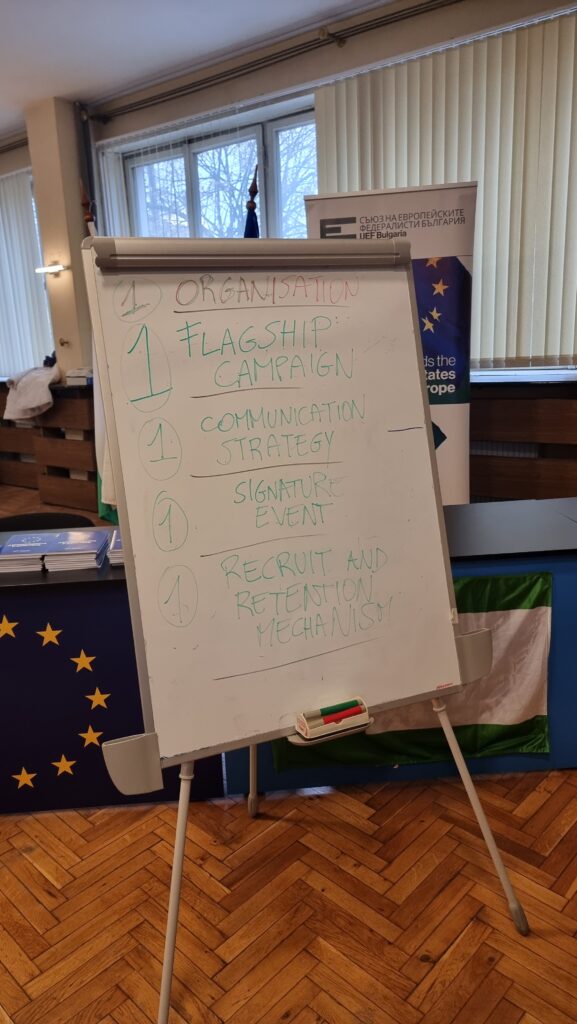
Each group was given 45 minutes to develop a one-year strategic plan, which had to include the following elements:
- organisational structure and internal capacity building;
- a flagship political campaign;
- a communication strategy;
- one major annual public event;
- a recruitment and membership retention plan.
To mirror real-life dynamics, the simulation also included periodic deliveries of new cards introducing unexpected events, opportunities, or difficulties (bonus/malus). These elements required groups to continuously adapt their strategies, reflecting the reality that national sections must constantly respond to evolving political, organisational, and social challenges.
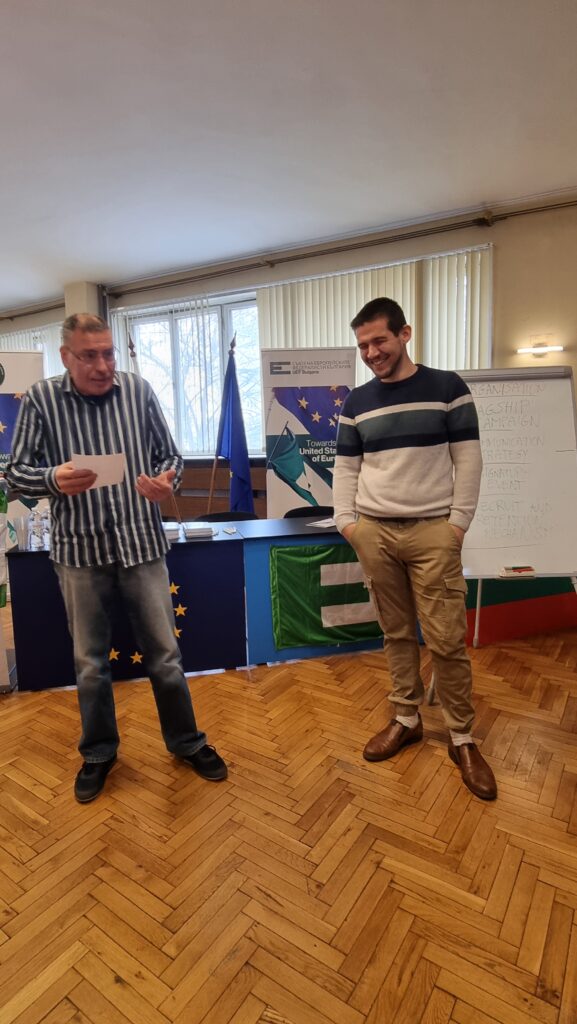
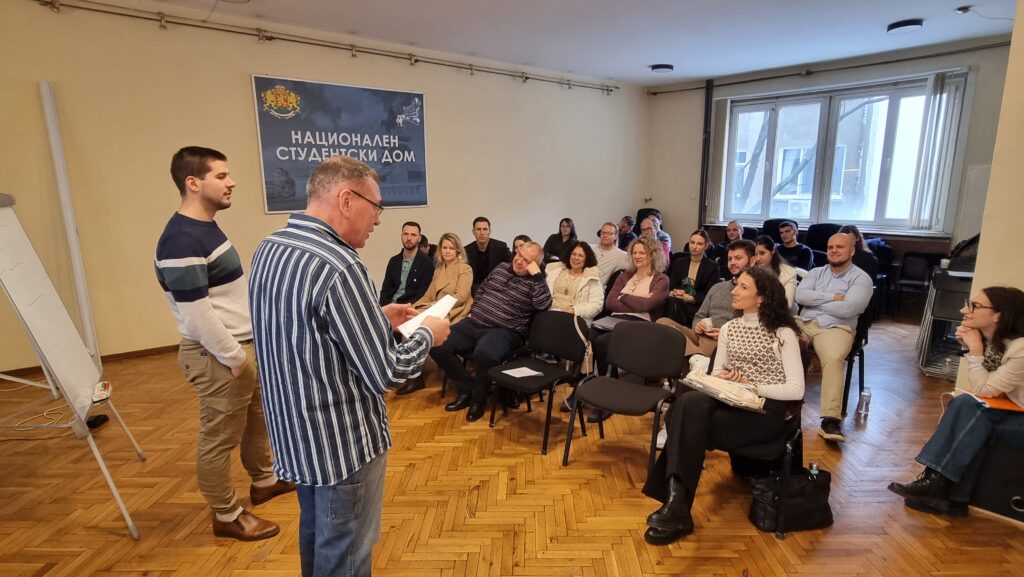
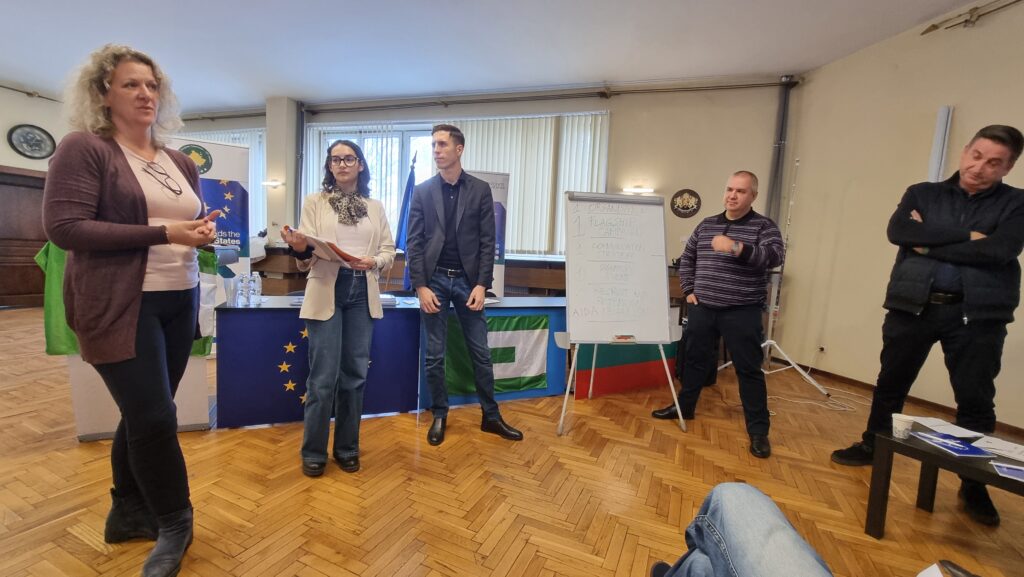
At the end of the simulation phase, the three groups reconvened in a plenary session, during which each team presented its strategic choices, priorities, and lessons learned. This was followed by an open discussion that allowed participants to compare approaches, identify common challenges, and highlight transferable solutions and best practices.
The workshop proved to be a highly engaging and effective format, fostering peer learning, strategic thinking, and regional solidarity. It reinforced the importance of planning, adaptability, communication, and collective leadership in building resilient and impactful federalist organisations across the Balkan region.