The Union of European Federalists presents a new short video reel from the series Federal Sketches, produced in collaboration with Czech comedian Dominik Dabrowski.
This first episode, titled “Americans lecturing Europeans on freedom”, uses political satire to address a recurring narrative in transatlantic debates: the idea that deeper European integration would inevitably lead to a loss of freedom.
Through a fictional dialogue between an American and a European, the reel humorously exposes the contradictions and double standards often present in such arguments. While Europe is portrayed as “too bureaucratic” or “potentially authoritarian,” real-world examples from the United States reveal that restrictions on freedom, censorship, and repression are not exclusive to any political system — nor prevented by constitutional slogans alone.
Behind the comedy lies a serious political message:
the debate on European federalism is not about limiting freedoms, but about strengthening Europe’s capacity to act democratically, collectively, and effectively in a complex geopolitical environment.
The Federal Sketches series aims to make complex political issues more accessible through humour, reversing perspectives and challenging clichés surrounding the European Union, sovereignty, and democracy.
📺 Watch the reel on UEF Instagram Page channels and follow the series for upcoming episodes.
Watch the new video produced by EU Made Simple (EUMS) with sponsorship of the UEF, about the steps towards a Federal Europe.
2025 has been a strong year for European federalism. From EU Parliament votes on deeper integration to the EU borrowing €90 billion together for Ukraine, the Union is taking steps that would have been unthinkable not long ago.
To understand why this matters, this video looks back at how the United States moved from a loose confederation to a true federation in the 1780s.
The lesson is simple: shared debt creates shared power, and with it, pressure for real fiscal authority at the centre. Slowly but surely, the EU may be sleepwalking toward a stronger, more federal Europe.
Germany’s postwar miracle didn’t begin with prosperity—it began with resolve.
At 73, Konrad Adenauer stepped into a country shattered by dictatorship, occupation, and moral collapse. Yet from this devastation, he rebuilt not only a democratic Germany but the entire political architecture of the West. This is the untold story of the Chancellor who anchored Germany firmly in NATO and the emerging European Community, forging the foundations of a peaceful, stable, and prosperous Europe. Through discipline, diplomacy, and an unshakeable belief in the rule of law, Adenauer transformed a defeated nation into a trusted partner—and helped define the West as we know it. Discover how one statesman’s strategic choices rewove Germany into the fabric of Europe, ensured its place in the Western alliance, and shaped the institutions that still guarantee European security today.
This is Episode 3 in our Founding Mothers & Fathers of Europe series from EU Made Simple.
Watch here the other two episodes LINK
This Declaration by the Action Committee for the United States of Europe, open to signatures, has been published by the following Newspaper: La Repubblica (Italy), El Pais (Spain), Le Soir (Belgium) , Gazeta Wyborcza (Poland), Le Monde (France)

If you wish to support, you can do here: SIGNATURE LINK
The European Union is facing unprecedented challenges at a time in which the UN-based multilateral order is under attack. The strategy of appeasement towards Donald Trump — from the NATO Summit to deregulation of digital, artificial intelligence, and environmental rules, including the Turnberry tariff humiliation — is not working. Concessions and accommodation have neither reduced Trump´s unpredictability and hostility. On the contrary, they have deepened Europe’s strategic vulnerability, have produced an unacceptable capitulation plan for Ukraine, and a political declaration of war on the EU in the form of US national security strategy, in which he calls for a return to a Europe of nations and announces in consequence an alliance with the continent´s national-populistic political forces.
Europe must therefore draw the necessary conclusions: its security, prosperity and democracy can no longer depend on the changing will of the United States. Strategic autonomy is no longer an option but a necessity. The European Union must be able to act independently, assume full responsibility for its own defence, and pursue its interests and values on the global stage with sovereignty and credibility.
A more productive and competitive Europe is a precondition of geopolitical power and social welfare. Thus, we must ensure by 2028 full implementation of the Letta and Draghi reports on the completion of the single market, European competitiveness. Furthermore, we need a multi-annual budget that supports further investments, public and private, in key and innovative industries. Thus, we call on the Commission to table a new, beefed-up and more ambitious Multiannual Financial Framework (MFF) proposal able to finance European public goods, including new priorities in defense and research, while preserving the social and environmental dimensions, cohesion and agriculture, in respect of parliamentary control and the role of European regions and cities, and financed with real EU own resources.
But regaining competitiveness and modernizing the budget is not sufficient to build a geopolitical Europe. Just like in 1950, we must concentrate on a critical point, which is the establishment of a European Common Defense backed up by a stronger political union. Only a more federal Europe can cope with these challenges, ensuring the respect of our fundamental values and rights, unless we are ready to accept Trump as the world political authority, in ambiguous partnership with Putin and Xi Jinping. Recognizing the security threat that the EU is facing and Trump’s open hostility, confirmed by the National Security Strategy, we call on the Member states in the European Council to establish a European Common Defence, as foreseen in article 42 of the Treaty on the European Union, which can also be done through a new Permanent Structured Cooperation by the willing Member States in case of lack of unanimity. This will constitute a European Defence System able to coordinate a national armed forces in the event of an aggression to any Member State. This requires an EU a Command-and-Control Centre.
More generally, EU institutions and leaders must fully exploit the Lisbon Treaty, through a federalist interpretation of it in all domains, as it was done with the response to the Coronavirus pandemic, also following Draghi´s call for a “pragmatic federalism”. The EU would not have been a trade powerhouse with this policy subjected to unanimity. We need to overcome the vetocracy in foreign policy, defence, and finances. A stronger EU budget benefitting certain Member States could be made conditional on their support to the activation of the passarelles to move from unanimity to majority voting. In parallel, the European Council must coherently follow-up on the Parliament´s proposal to reform the Treaties to abolish unanimity in the EU decision-making system – budget and fiscal, foreign, security and defence policies, and enlargement should all fall within the ordinary legislative procedure – including on future Treaty amendments.
We consider that the European Parliament can play a fundamental role in the implementation of the needed institutional reforms, also in view of the enlargement. First, by conditioning its support for the next annual budgets and MFF to the European Council´s acting on the above-mentioned requests. Second, by promoting an Interparliamentary Assembly (Assises) to advocate for the full implementation of those objectives, along with an ad-hoc European Citizens’ Assembly to engage the people and the European public sphere at large.
To this end, we support the creation of a renewed cross-partisan and inter-institutional pro-European coalition encompassing the most committed Member States in the European Council, the pro-European majority in the European and National Parliaments, the European Commission, and regional and local institutions, over and above the particular inertias of each institution, and the pro-European organised civil society. We call on them all to mobilize locally, nationally, and transnationally to support these requests for a more sovereign and democratic Union.
This text is based on the declaration adopted by the relaunched Action Committee for the United States of Europe, 18 October 2025, Jean Monnet House, Houjarray/ Bazoches-sur-Guyonne, France
- Guy Verhofstadt, President of the European Movement International, former Prime Minister of Belgium, former Member of the European Parliament (Belgium)
- Domènec Ruiz Devesa, President of the Union of European Federalists, former Member of the European Parliament (Spain)
- Josep Borrell Fontelles, former High Representative of the European Union for Foreign Affairs and Security Policy and former President of the European Parliament (Spain)
- Danuta Hübner, economist, former European Commissioner for Regional Policy, former Member of the European Parliament (Poland)
- Enrico Letta, President of the Jacques Delors Institute, former Prime Minister (Italy)
- Hans-Gert Pöttering, former President of the European Parliament (Germany)
- Javier Cercas, writer (Spain)
- Daniel Cohn-Bendit, writer, former Member of the European Parliament (France and Germany)
- Robert Menasse, writer (Austria)
- Dominique Méda, sociologue and philosopher (France)
- Jacques Attali, writer, former President of the European Bank for Reconstruction and Development and Special Adviser to President Mitterrand (France)
- Pascal Lamy, former Director-General of the World Trade Organization, former European Commissioner for Trade (France)
- Paolo Gentiloni, former European Commissioner for Economy, former Prime Minister (Italy)
- Isabelle Durant, former Vice-President of the European Parliament, former Acting Secretary-General of the United Nations Conference on Trade and Development (Belgium)
- Othmar Karas, former First Vice-President of the European Parliament (Austria)
- Mercedes Bresso, former President of the European Committee of the Regions and former Member of the European Parliament (Italy)
- Rosen Plevneliev, former President of the Republic (Bulgaria)
- Petre Roman, former Prime Minister (Romania)
- Gabriele Bischoff, President of the Spinelli Group, Member of the European Parliament (Germany)
- Nicolas Schmit, former European Commissioner for Jobs and Social Rights (Luxembourg)
- Enrique Barón Crespo, former President of the European Parliament (Spain)
- Andrea Wechsler, President of Europa-Union Deutschland, Member of the European Parliament (Germany)
- Klaus Hänsch, former President of the European Parliament (Germany)
- Luca Visentini, former President of the European Trade Union Confederation (Italy)
- Monica Frassoni, President of the European Centre for Electoral Support (ECES), former Member of the European Parliament (Italy and Belgium)
- Moritz Hergl, President of the Young European Federalists (Germany)
- Brando Benifei, Member of the European Parliament, former President of the Spinelli Group (Italy)
- Daniel Freund, Member of the European Parliament, former President of the Spinelli Group (Germany)
- Sandro Gozi, Member of the European Parliament, former President of the Spinelli Group (Italy and France)
- Richard Corbett, former Member of the European Parliament, co-rapporteur on the Constitutional Treaty and on the Lisbon Treaty (United Kingdom)
- Elmar Brok, Former Member of the European Parliament, former President of the Spinelli Group (Germany)
- Jo Leinen, former Member of the European Parliament, former President of the European Movement International (Germany)
- Monica Baldi, former Member of the European Parliament (Italy)
- Pierre Larrouturou, former Member of the European Parliament (France)
- Andrew Duff, formerMember of the European Parliament, former President of the Union of European Federalists (United Kingdom)
- Virgilio Dastoli, President of the Consiglio Italiano del Movimento Europeo and collaborator of Altiero Spinelli (Italy)
- Francesca Ratti, former Deputy Secretary-General of the European Parliament (Italy)
- Laure Niclot, European Economic and Social Council member, former President of JEF France (France)
- Roberto Castaldi, professor, Secretary General of the Movimento Federalista Europeo (Italy)
- Luisa Trumellini, President of Movimento Federalista Europeo (Italy)
- Hervé Moritz, President of the European Movement France (France)
- Alessia Centioni, President of Civico Europa and European Women Association (Italy)
- Chloé Fabre, President of the Union of European Federalist - France (France)
- Aurore Laloux, President of the Young Europeans France (France)
- Francisco Aldecoa Luzárraga, political scientist, President of the Spanish Federal Council of the European Movement (Spain)
- Gaëlle Marti, jurist, Director of the Center for European Studies-Lyon 3 (France)
- Yann Moulier Boutang, economist and essayist (France)
- Céline Spector, philosopher (France)
- Michele Fiorillo, philosopher, co-initiator of Citizens Take Over Europe (Italy)
- Slavoj Žižek, philosopher (Slovenia)
For more signatures if you have to click HERE
Statement by the Union of European Federalists on the European Council Conclusions of 18 December 2025 on Ukraine
Brussels, 19 December 2025
The Union of European Federalists welcomes the decision of the European Council to resort to the issuance of common EU debt to grant Ukraine financial assistance to the tune of ninety billion euros, with the backing of the EU budget. This measure is fundamental to continue its defence operations in face of Putin´s unprovoked aggression, also for the benefit of European security as a whole.
This decision also constitutes a further and significant step - after SURE, NextGenerationEU, and SAFE - in the development of a genuine European fiscal capacity, confirming that the Union can act beyond convention, even if once again only in times of existential crisis. Still, the EU must introduce real own resources, that is, non-dependent from national contributions, to finance its debt issuances.
At the same time, we regret that the European Council failed to agree on the use of the frozen assets of the aggressor state to finance Ukraine’s defence and reconstruction. This omission represents a missed opportunity to deliver a better deal for EU taxpayers, and a strong and credible political signal, both to President Putin and to those who question Europe’s resolve, like Trump´s US. We call for continued engagement on this solution.
More broadly, the conclusions once again reveal the political unsustainability of unanimous decision-making, particularly when a few national leaders are effectively Putin´s allies, and of ad hoc arrangements in the face of strategic challenges. Effective unity of action can only be achieved by making full use of the qualified majority voting possibilities already provided for in the Treaties, and ultimately by reforming the Treaties themselves to endow the Union with the powers required to act decisively with full democratic legitimacy.
In this context, the Union of European Federalists calls on the President of the European Council, to place on the agenda of the next European Council meeting the activation of the Common Defence provisions of Article 42 of the Treaty on European Union, as well as the follow up of the proposal to reform the Treaties in accordance with Article 48 of the Treaty of the European Union.
Further use of the emergency procedure of article 122 of the Treaty on the Functioning of the European Union should be accompanied by an inter-institutional agreement to ensure the involvement of the European Parliament.
Finally, we call on the European Parliament to assume its political responsibility and to take the lead in convening a European Parliamentary Assembly (Assises), bringing together elected representatives and citizens, with the aim of relaunching the European integration process on a federal basis and with a renewed democratic mandate.
Read here the presentation
Rewatch here the webinar
Here the article published by the Greek Newspapar TO BHMA about the recent political event in Athens and then the following days of working on the Federal Committe meeting.
Read here the article:
"The annual meeting of the Federal Committee of the Union of European Federalists - The need for the creation of a European federation - took place in Athens for the first time."
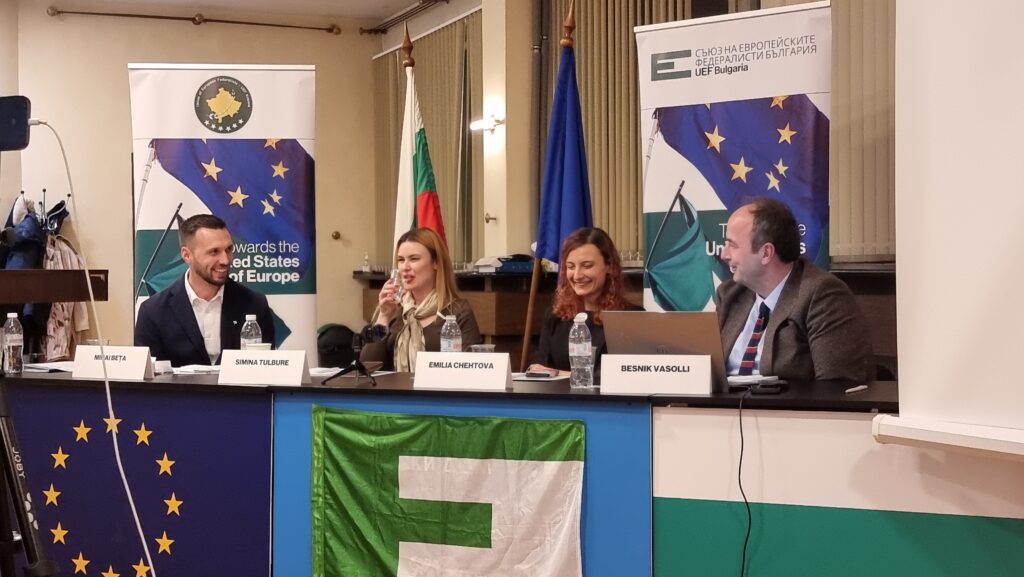
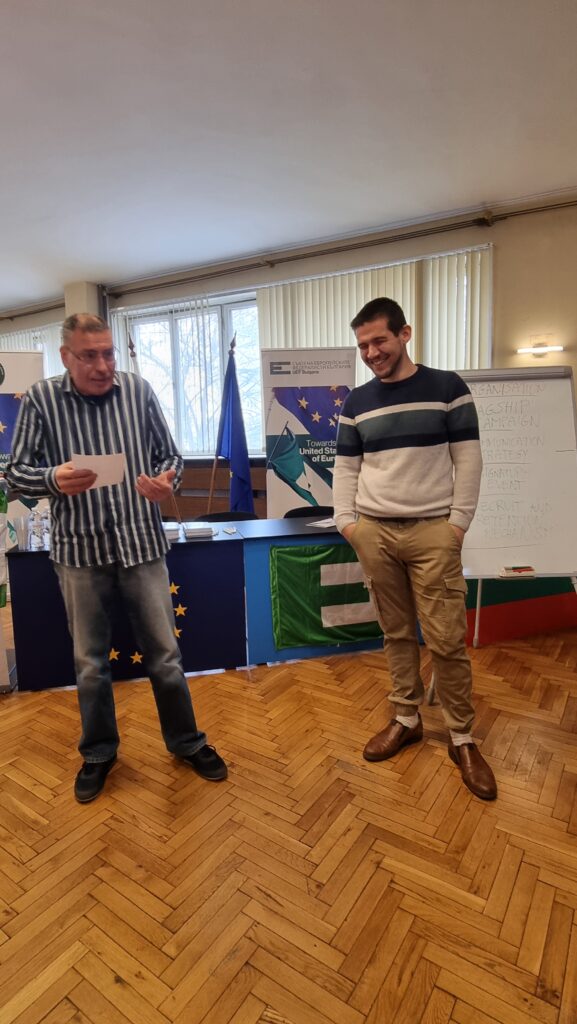
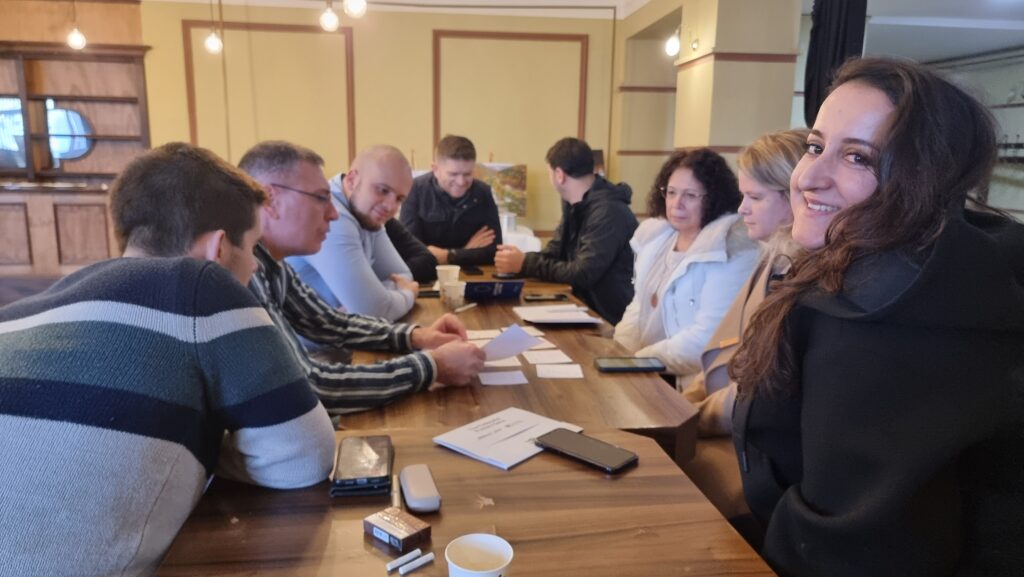
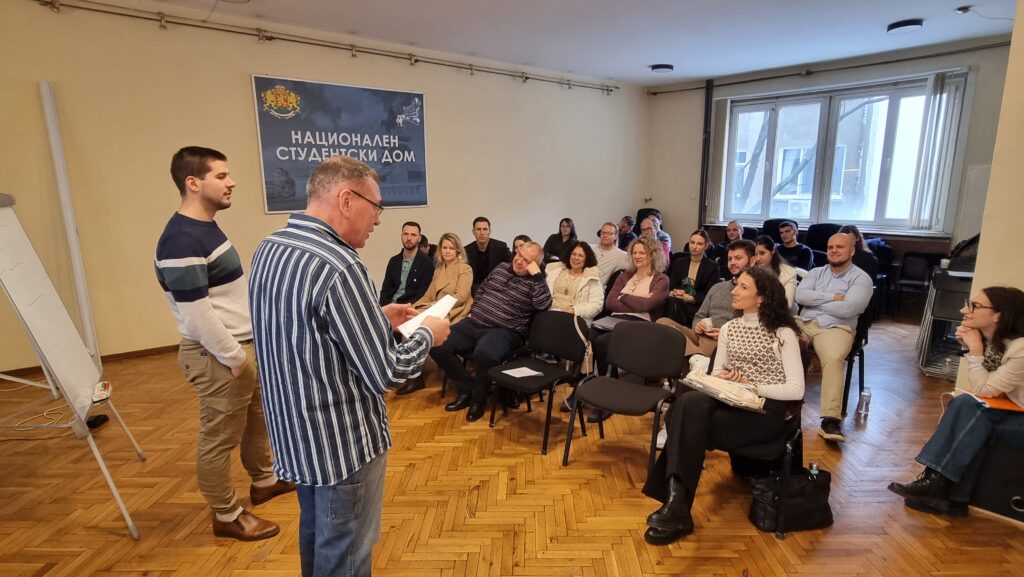
The workshop gathered 27 members in presence, coming from the UEF sections of Bulgaria, Romania, Kosovo, and Hungary.
All participants actively took part in the discussion. Each member was invited to intervene and share their perspective, ensuring a balanced and inclusive debate. More experienced members contributed with long-term strategic vision and institutional memory, while younger participants brought fresh perspectives and innovative ideas for addressing long-standing challenges.
Throughout the discussion, several common structural problems affecting national sections clearly emerged:
- a limited number of active volunteers, often with insufficient organisational and communication skills;
- very limited financial resources, with sections relying almost exclusively on membership fees;
- a lack of technical competences, particularly in the field of communication and digital tools.
Participants collectively reflected on how these challenges can be addressed through mutual support, knowledge sharing, and targeted capacity-building efforts within the federalist family. The discussion highlighted the value of the twinning program method as a practical tool to connect stronger or more experienced sections with those facing difficulties, enabling mentoring, exchange of best practices, and joint initiatives.
The workshop confirmed the importance of community building, intergenerational dialogue, and cross-border cooperation as key elements for reviving national sections and bringing people together around the federalist cause.
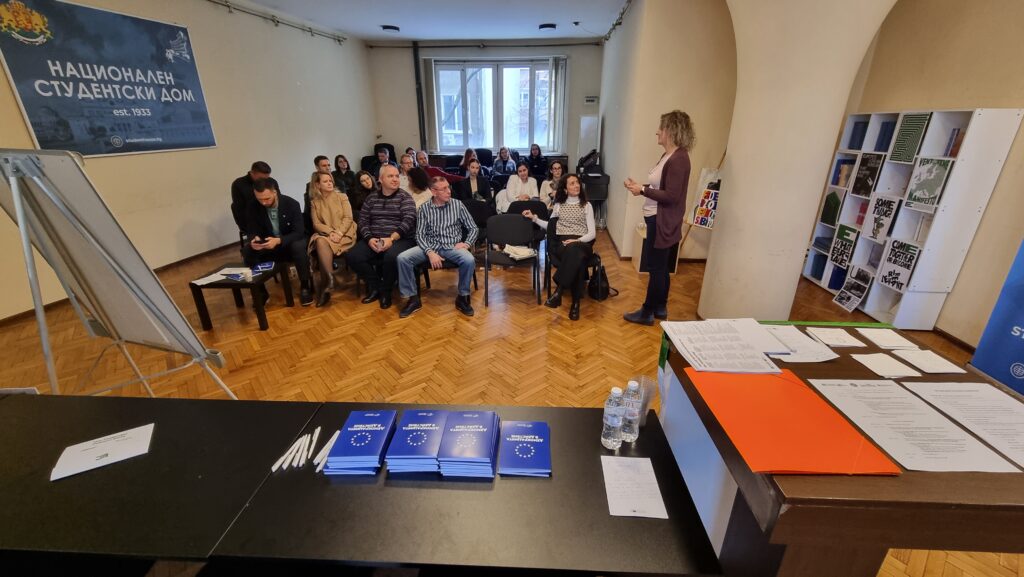
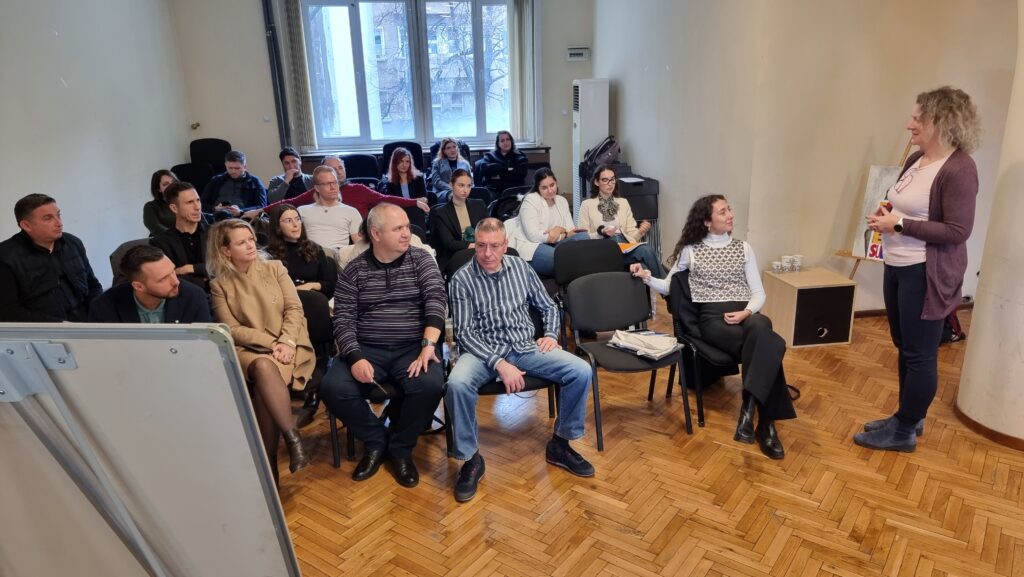
The workshop brought together 27 participants from the UEF sections of Romania, Kosovo, Bulgaria, and Hungary, reflecting the diversity and vitality of the Balkan federalist family.
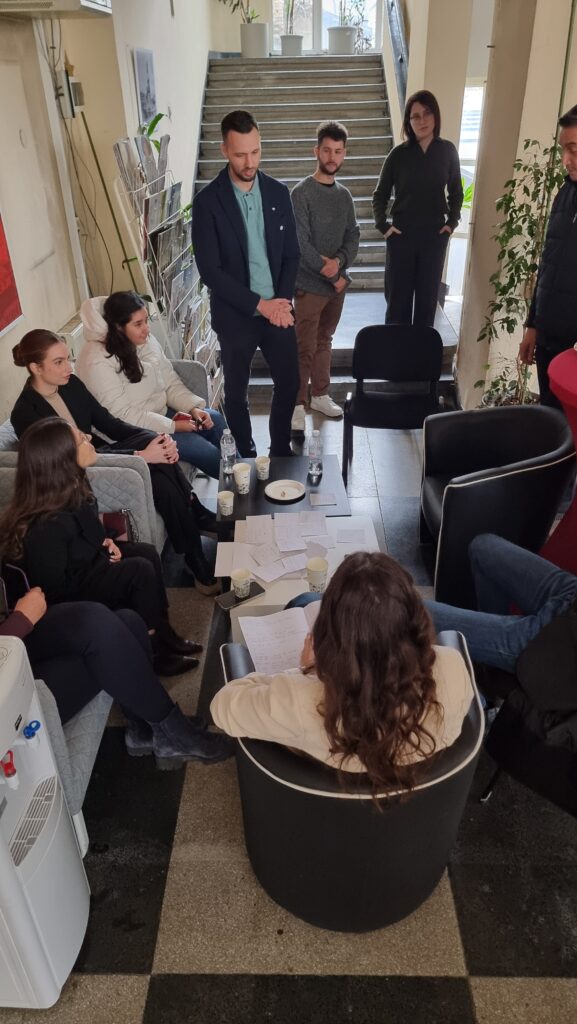
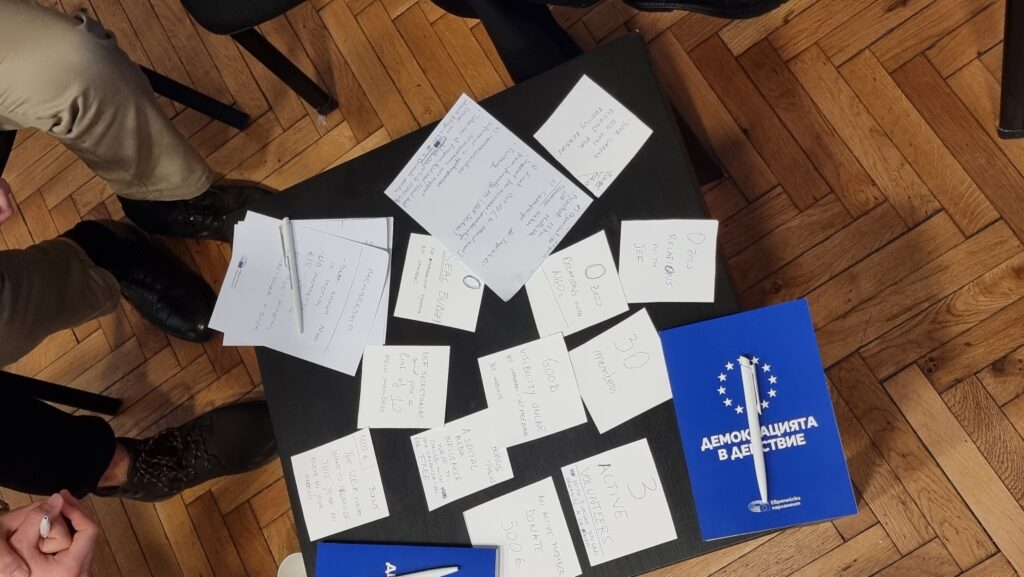
Participants were divided into three working groups, each representing a fictional national UEF section. At the start of the exercise, every group received a sealed envelope containing a set of cards describing the initial conditions of their section, including organisational strengths and weaknesses, political context, available human resources, and external constraints.
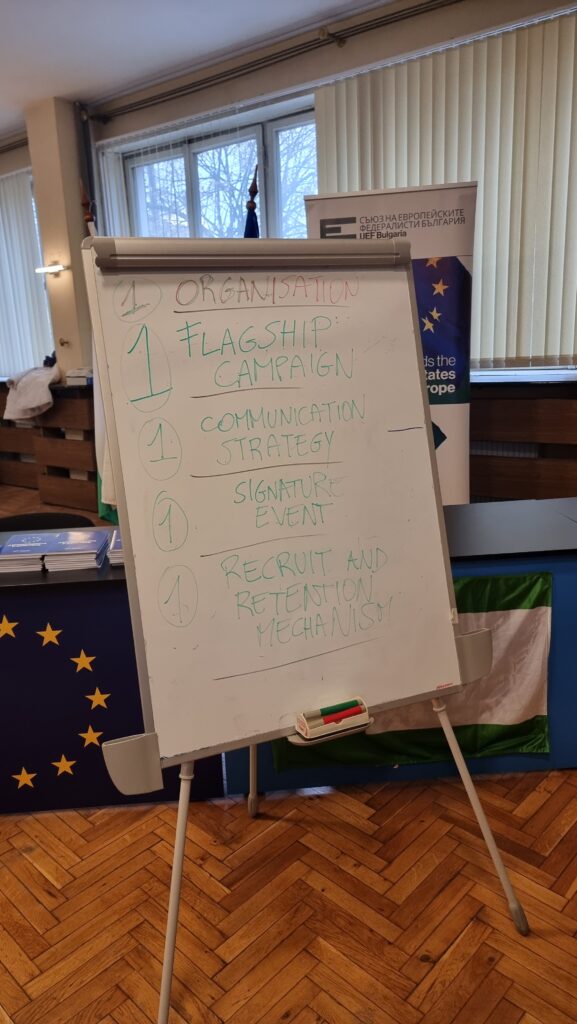
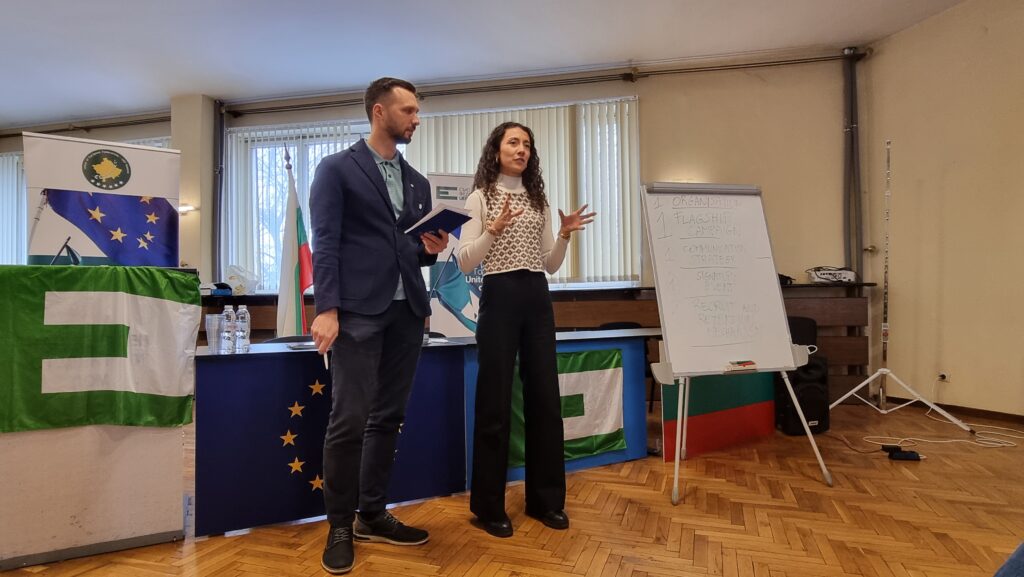
Each group was given 45 minutes to develop a one-year strategic plan, which had to include the following elements:
- organisational structure and internal capacity building;
- a flagship political campaign;
- a communication strategy;
- one major annual public event;
- a recruitment and membership retention plan.
To mirror real-life dynamics, the simulation also included periodic deliveries of new cards introducing unexpected events, opportunities, or difficulties (bonus/malus). These elements required groups to continuously adapt their strategies, reflecting the reality that national sections must constantly respond to evolving political, organisational, and social challenges.
At the end of the simulation phase, the three groups reconvened in a plenary session, during which each team presented its strategic choices, priorities, and lessons learned. This was followed by an open discussion that allowed participants to compare approaches, identify common challenges, and highlight transferable solutions and best practices.
The workshop proved to be a highly engaging and effective format, fostering peer learning, strategic thinking, and regional solidarity. It reinforced the importance of planning, adaptability, communication, and collective leadership in building resilient and impactful federalist organisations across the Balkan region.


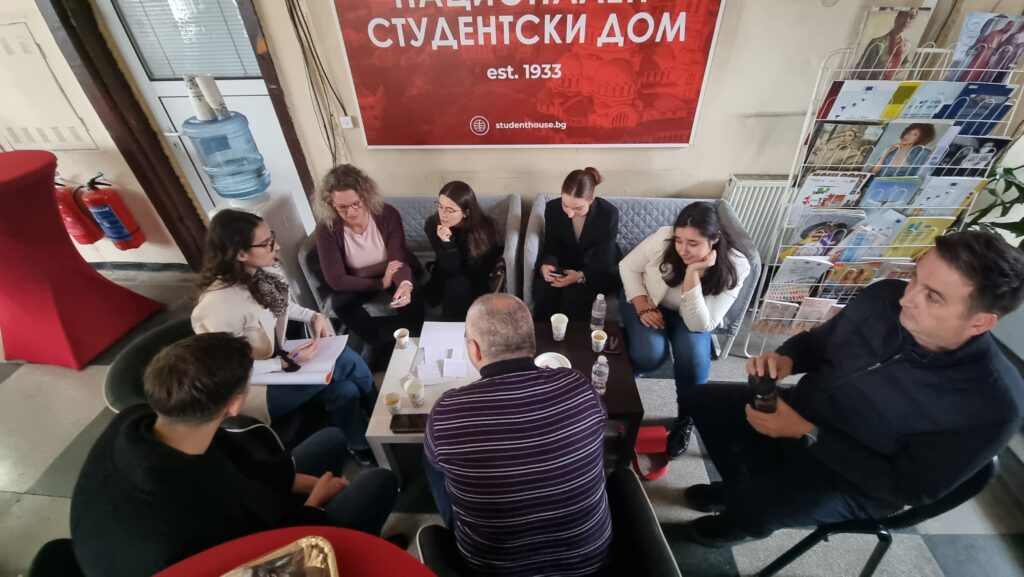
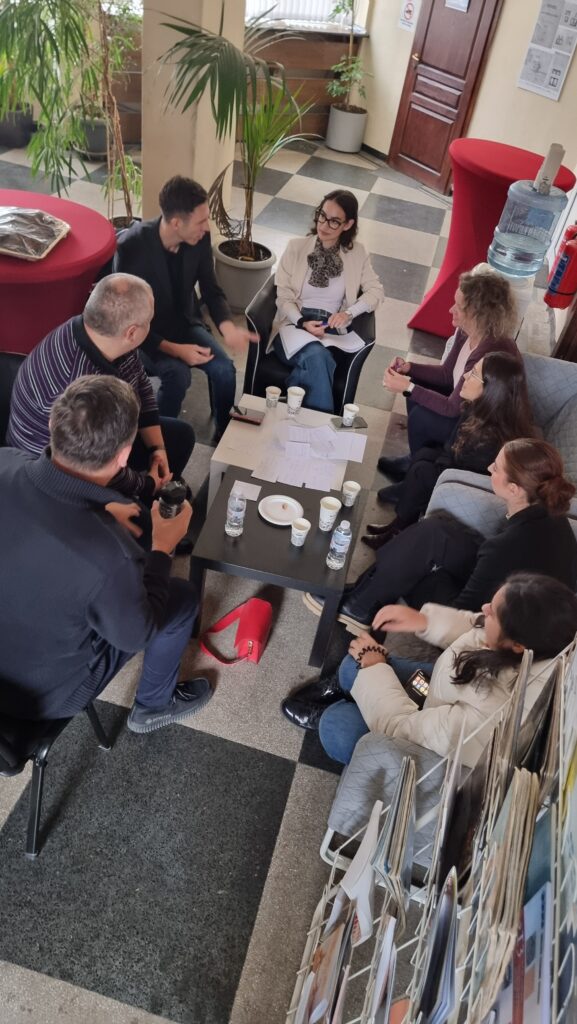
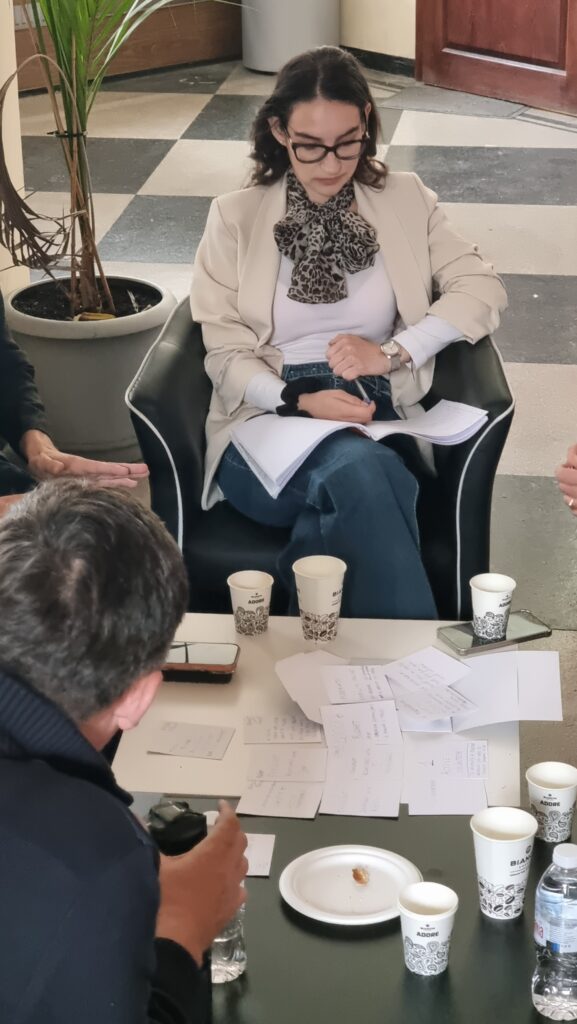
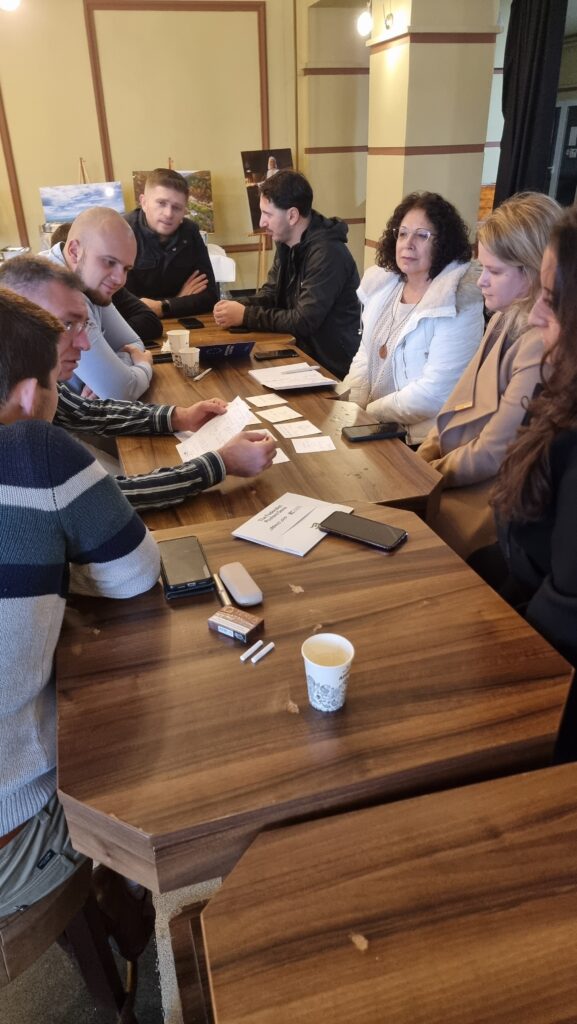


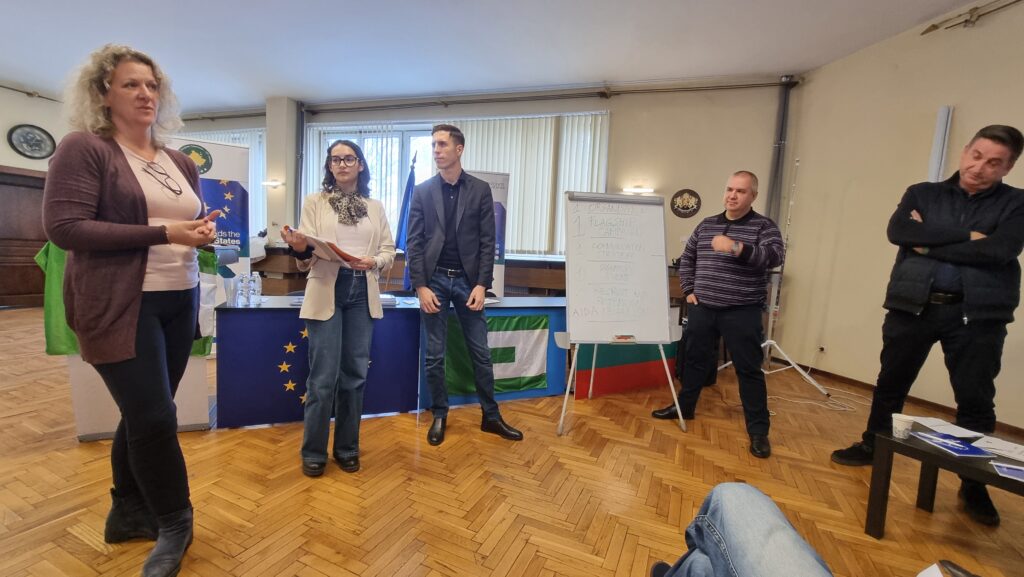
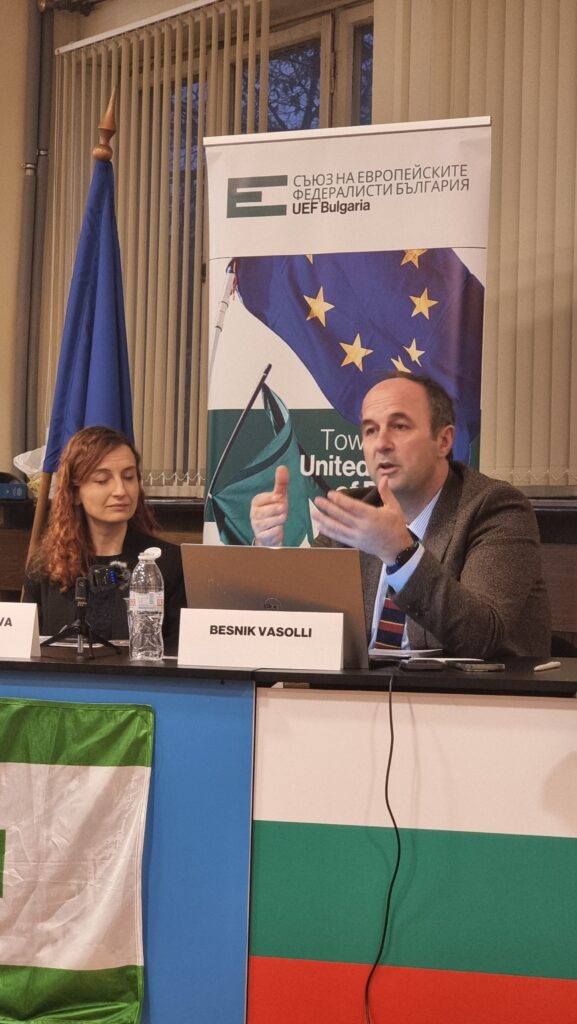
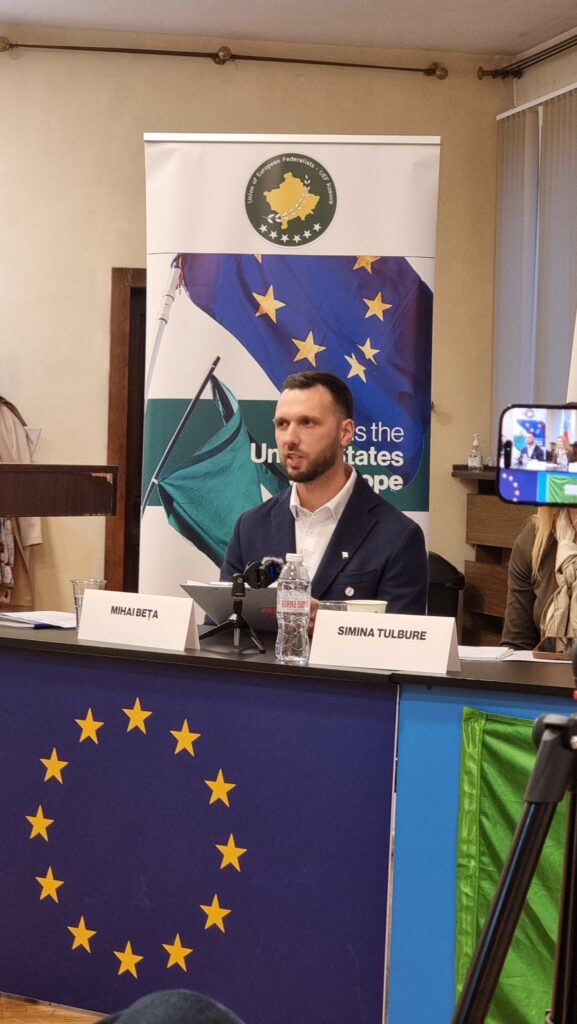
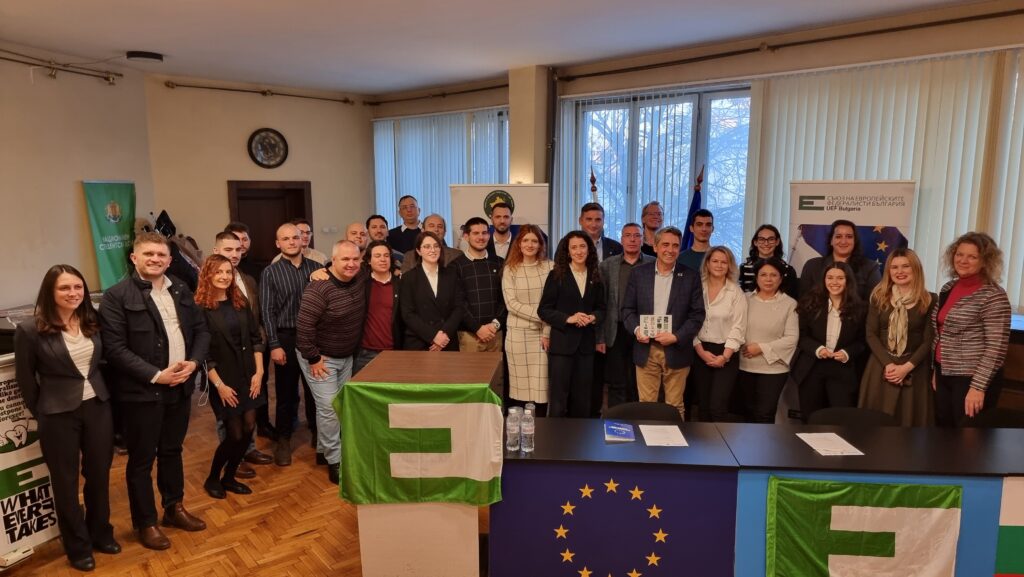
Pictures of the Political Debate: The EU at Crossroads: 20 Years After the Big Bang Enlargement, Is the EU Ready for the Next Wave? Can the EU Avoid Another Lost Decade in the Western Balkans?
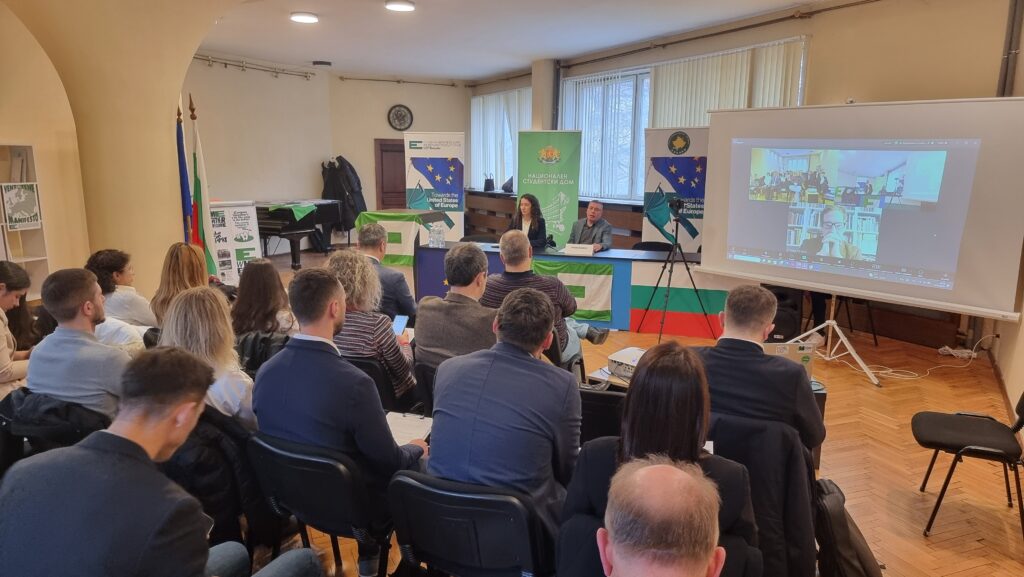
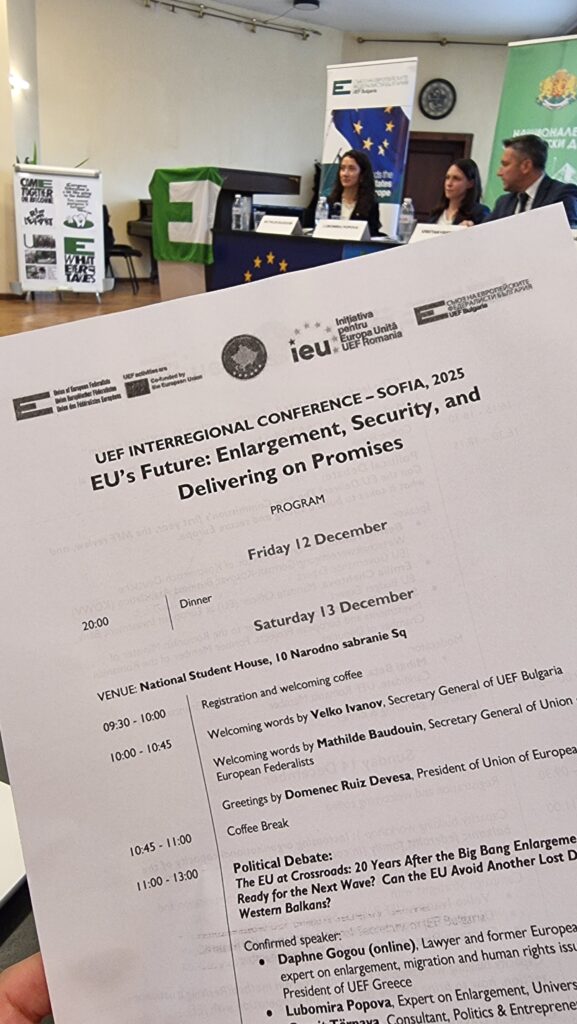
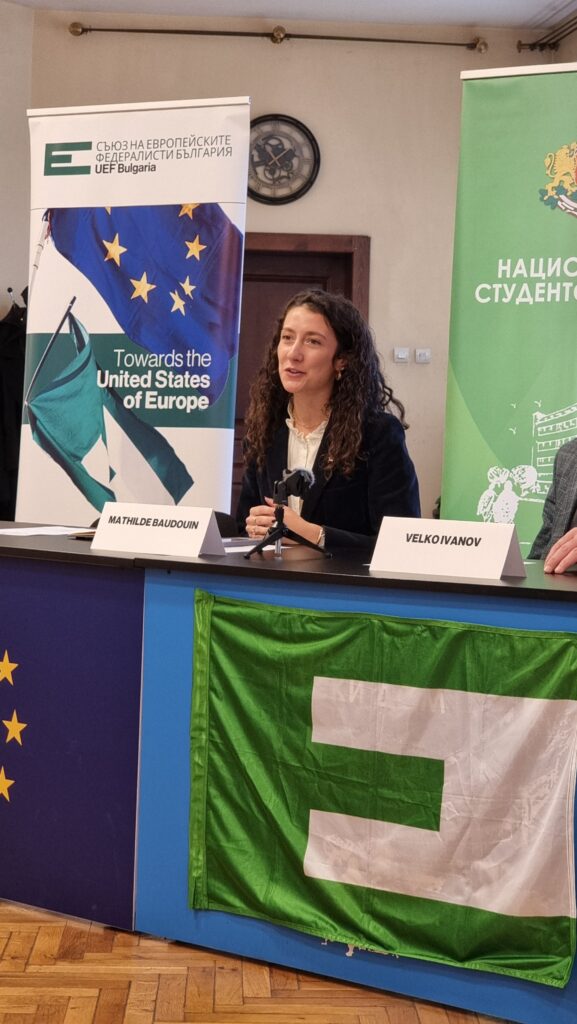
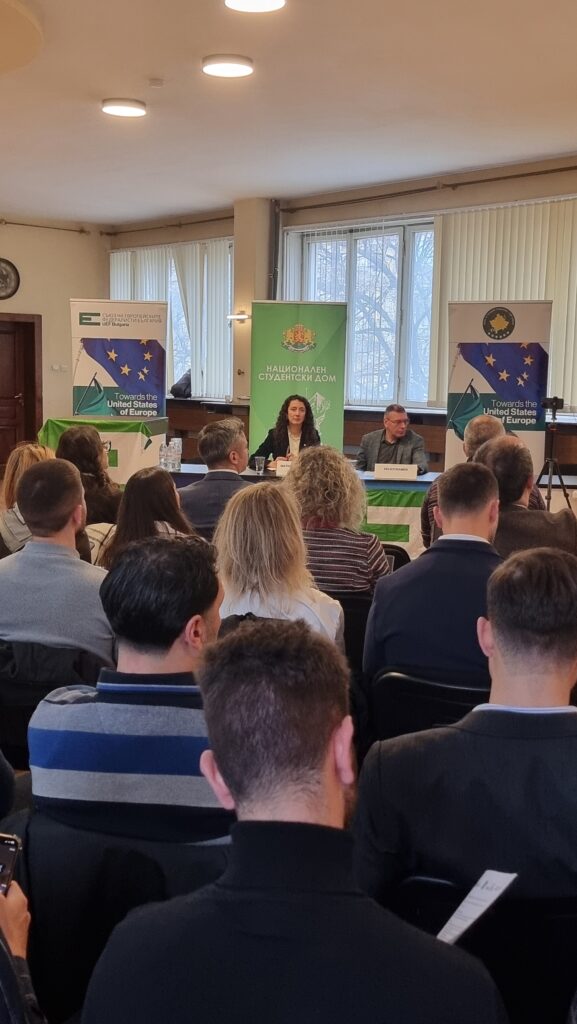
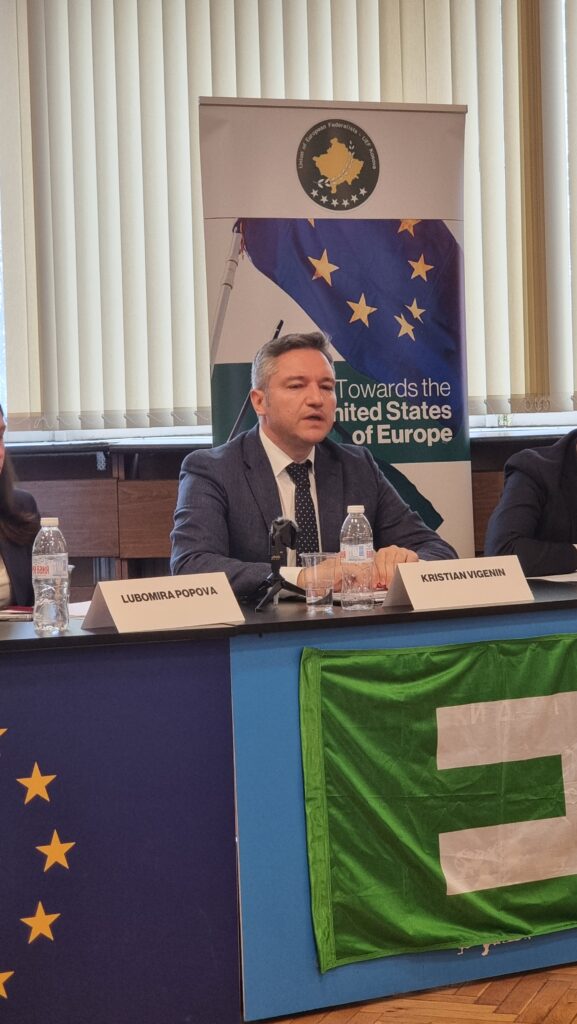
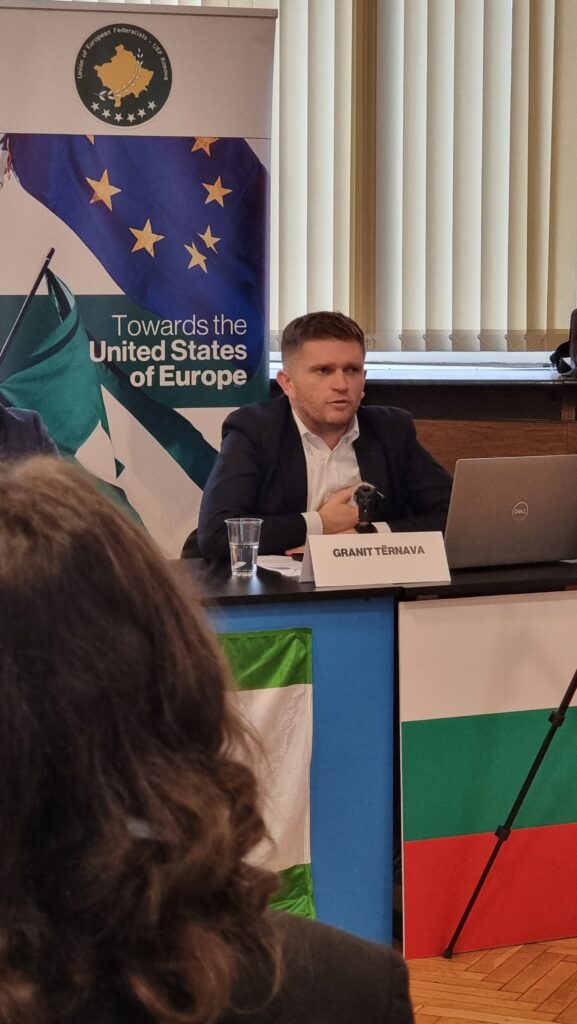
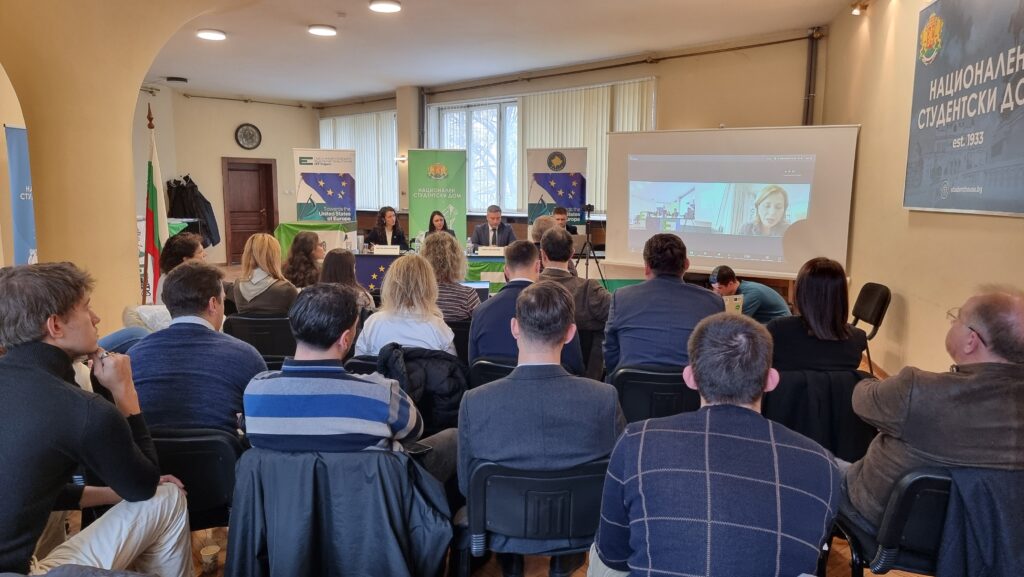
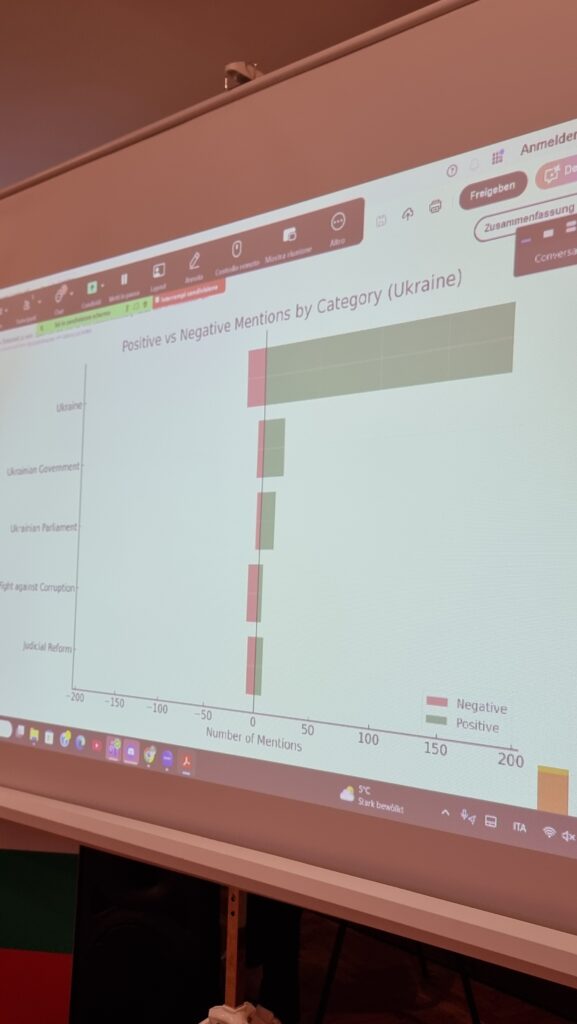
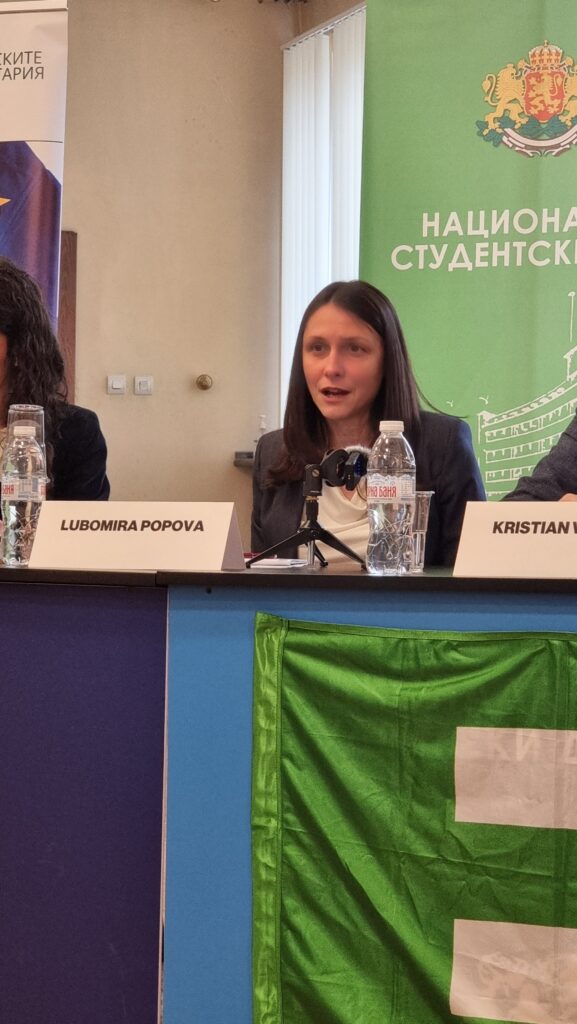
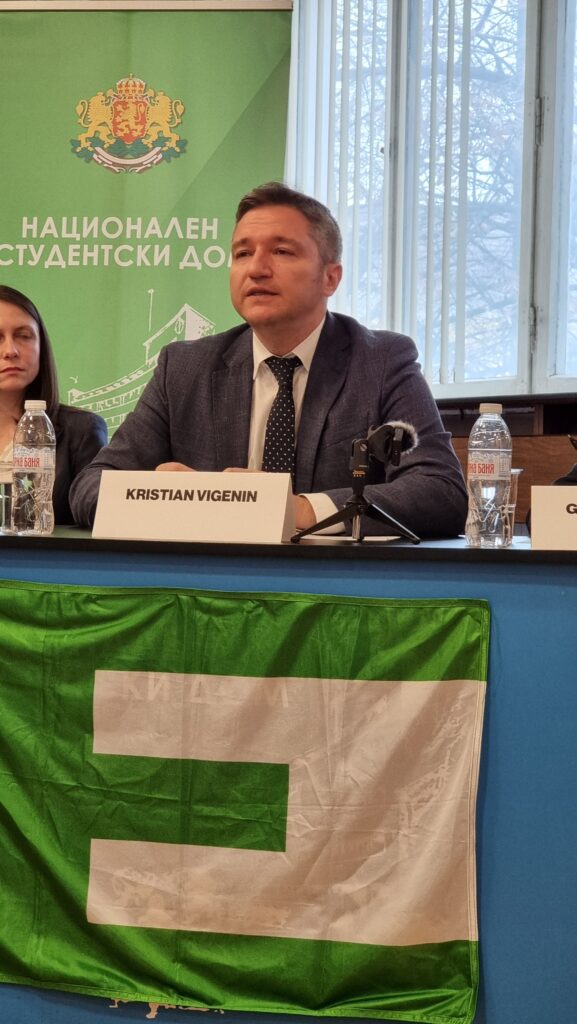
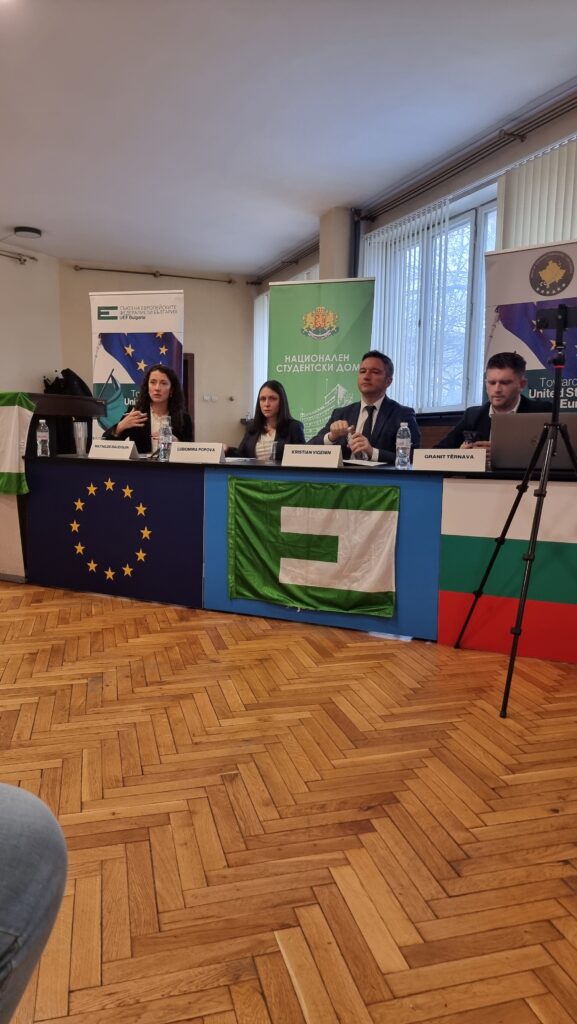
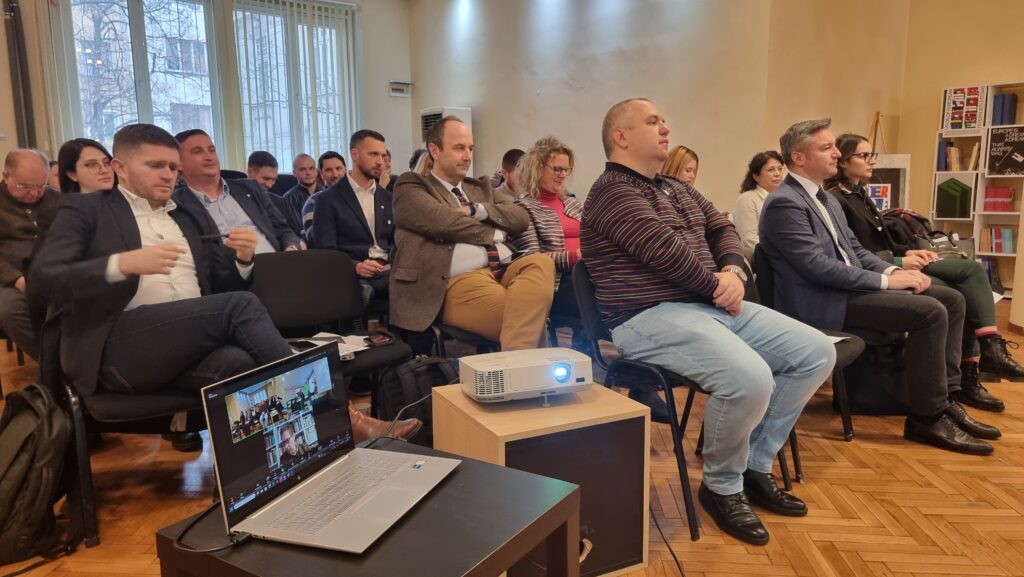
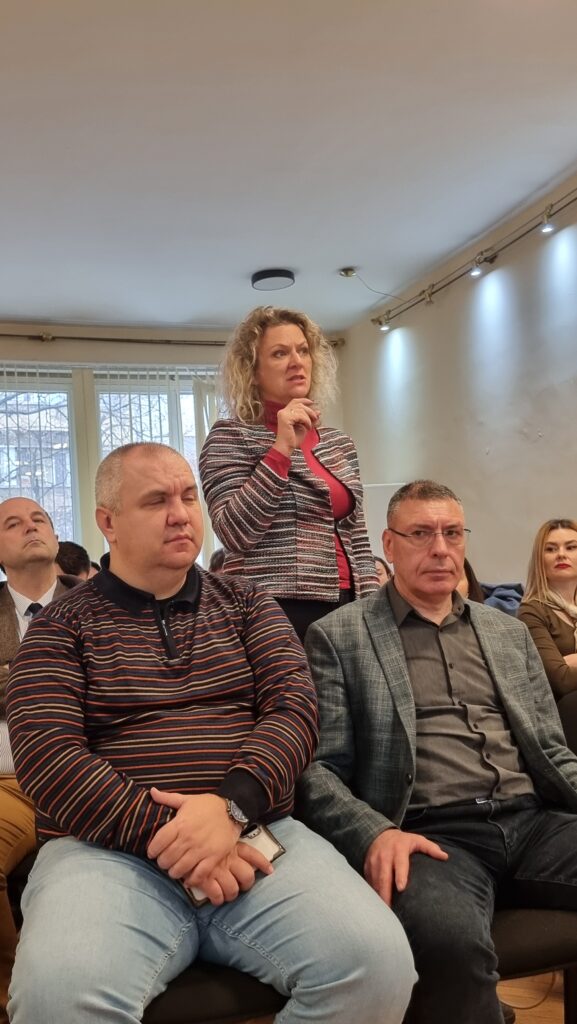
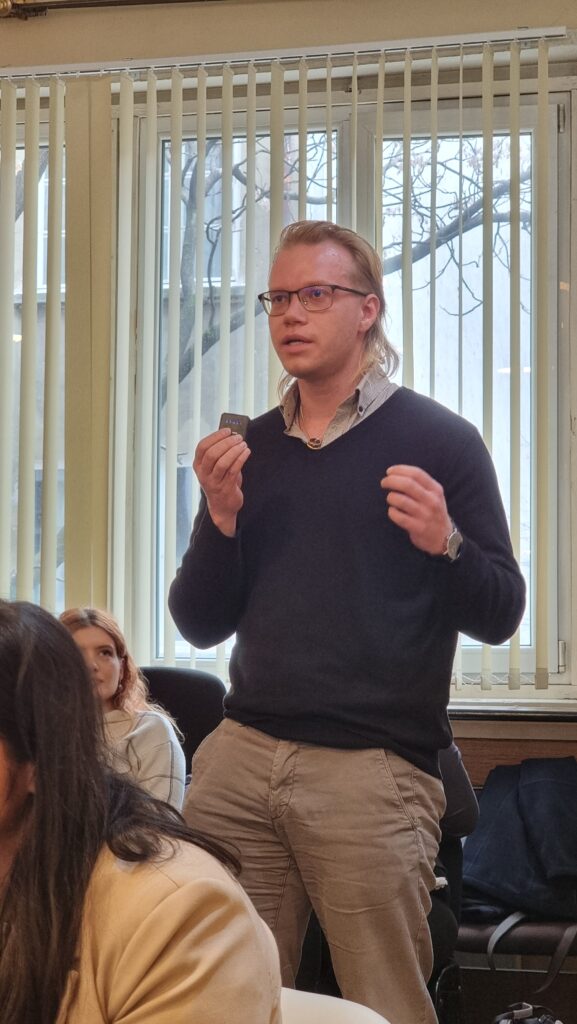
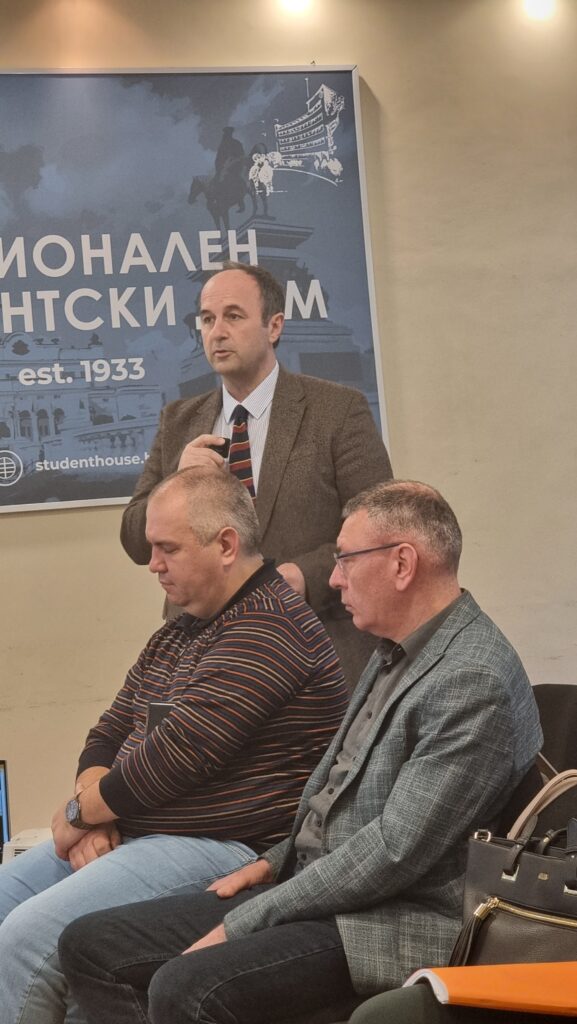
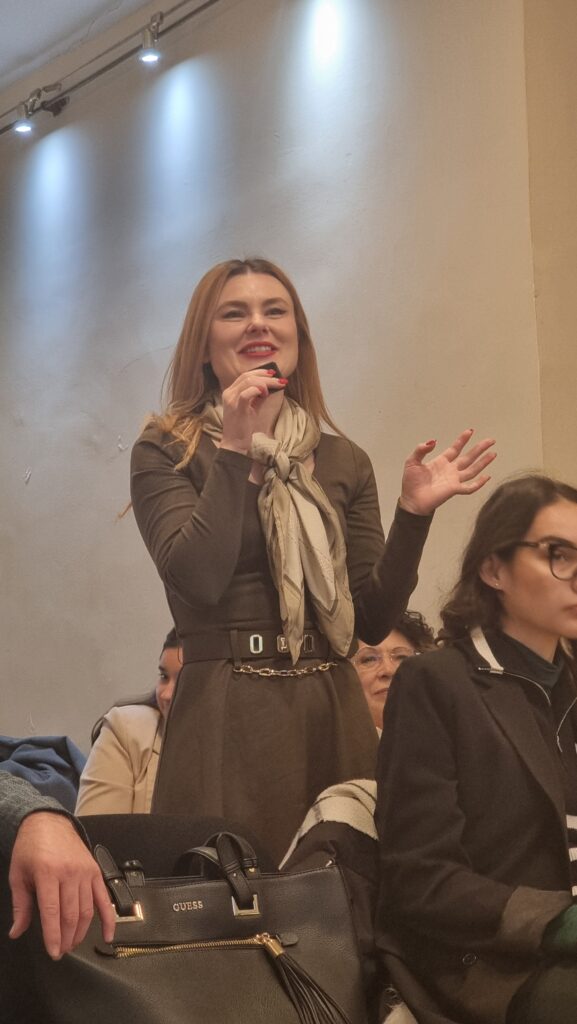
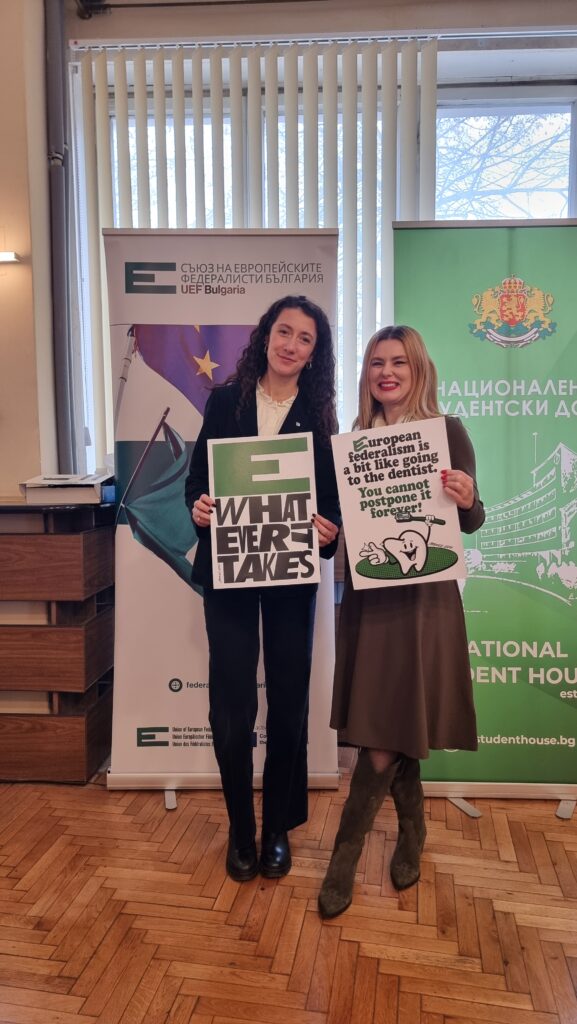
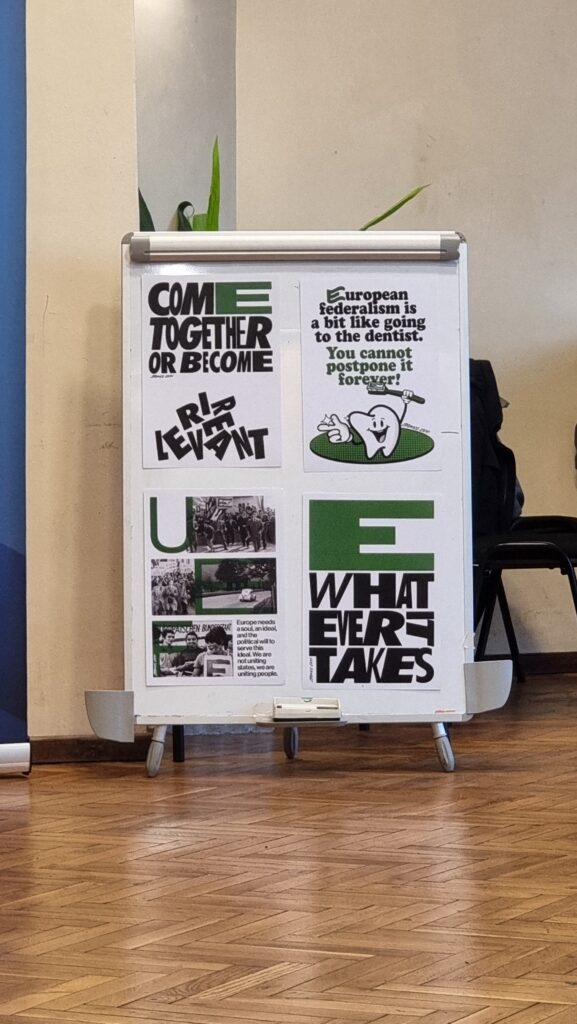
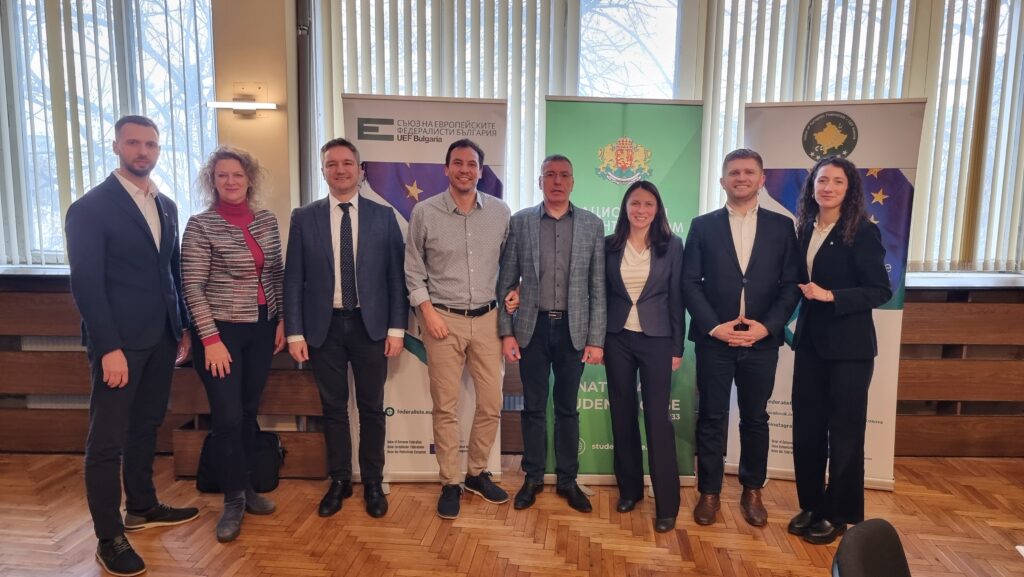
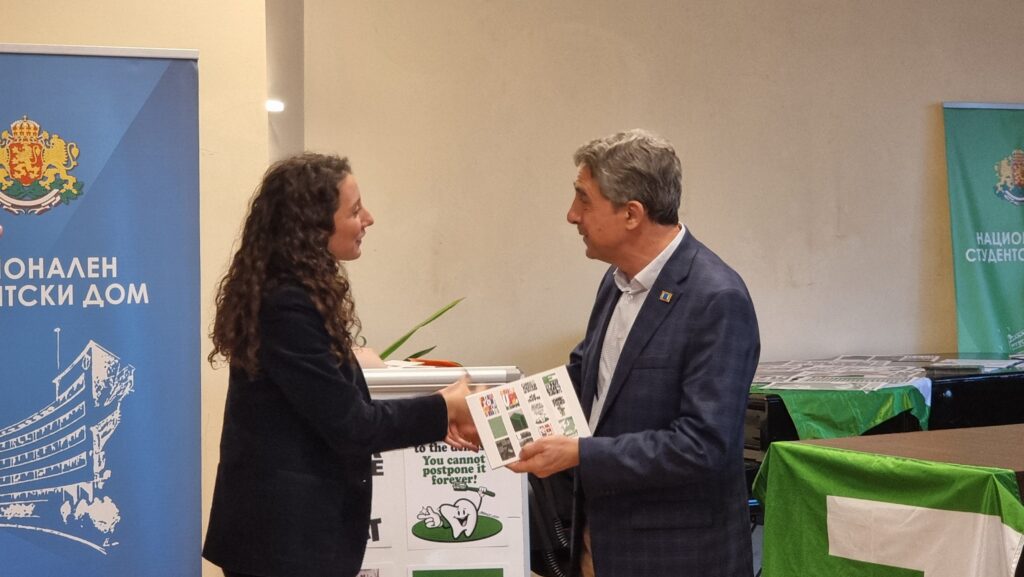
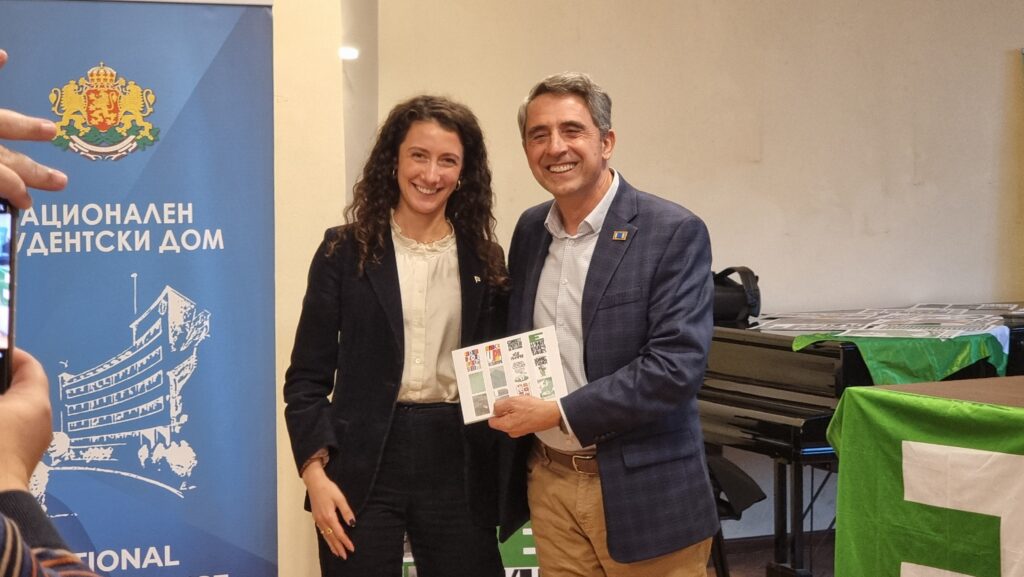
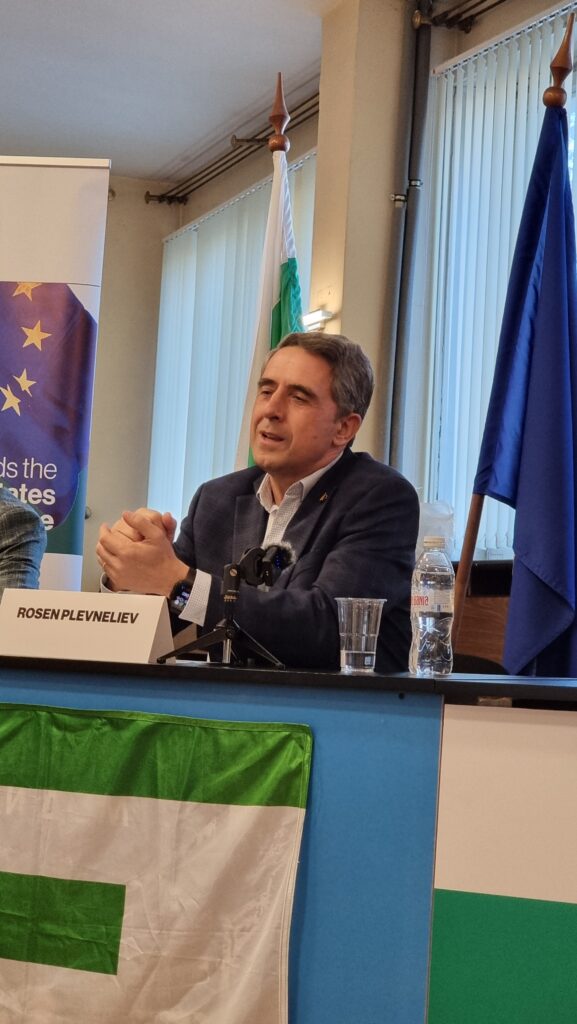
Pictures of keynote speech by Rosen Plevneliev, Former President of Bulgaria, followed by a Q&A
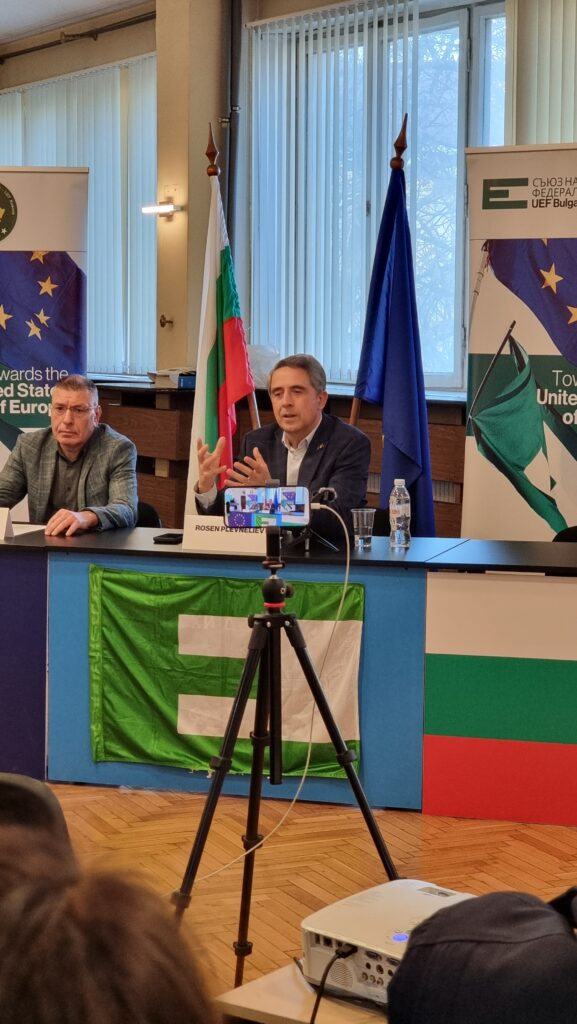
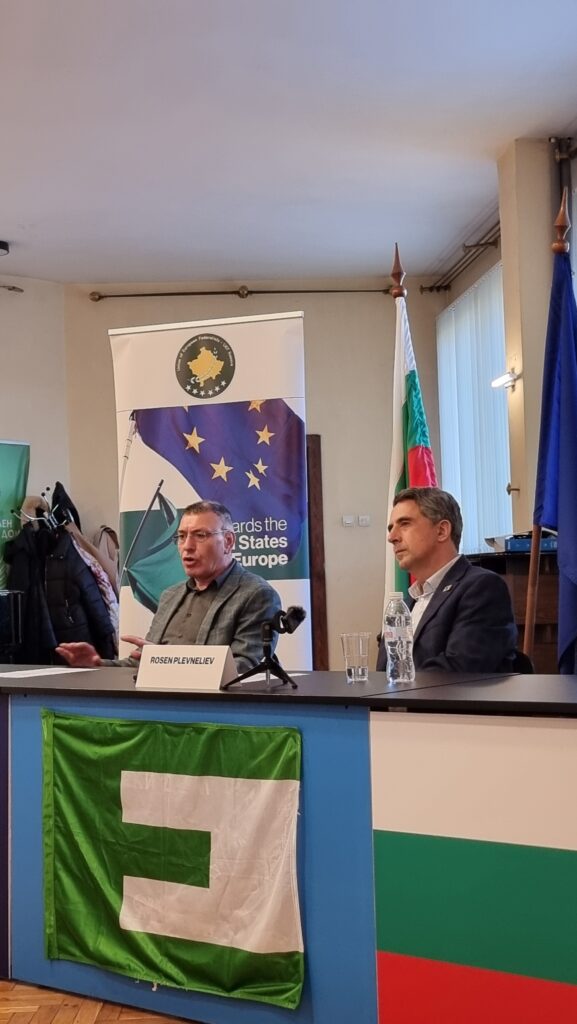
Pictures of Political Debate: Can the EU Deliver? The new Commission’s first year, the MFF review, and what it takes to build a strong and secure Europe.