


The 41st International Ventotene Seminar: Building the Future of Europe
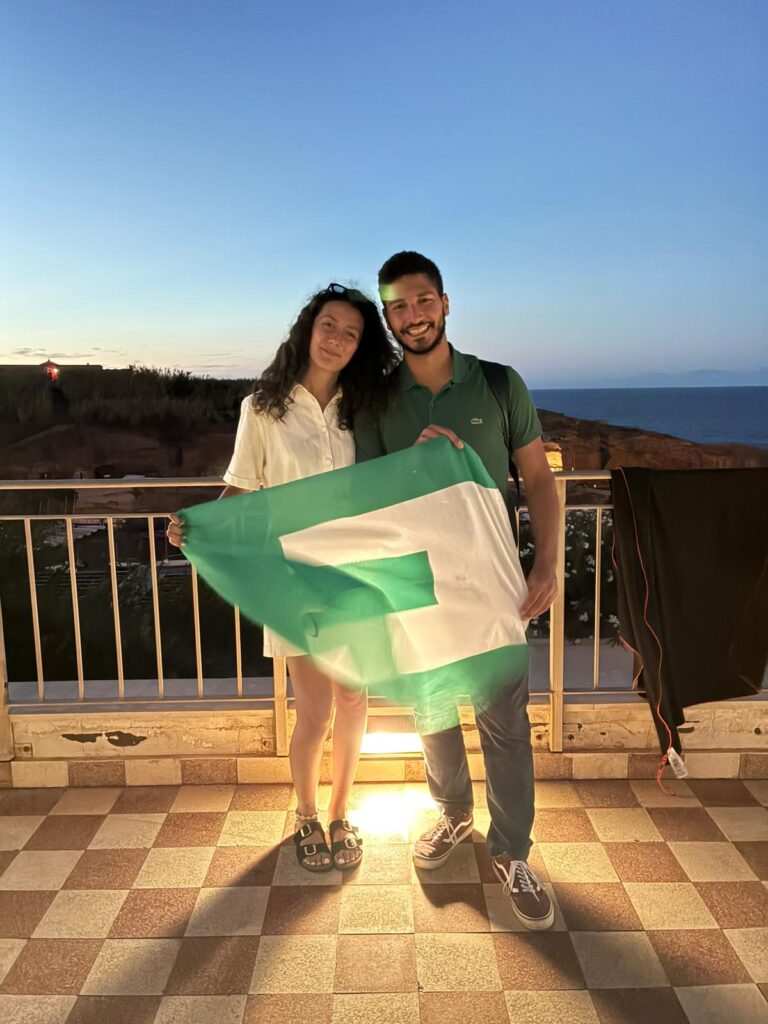
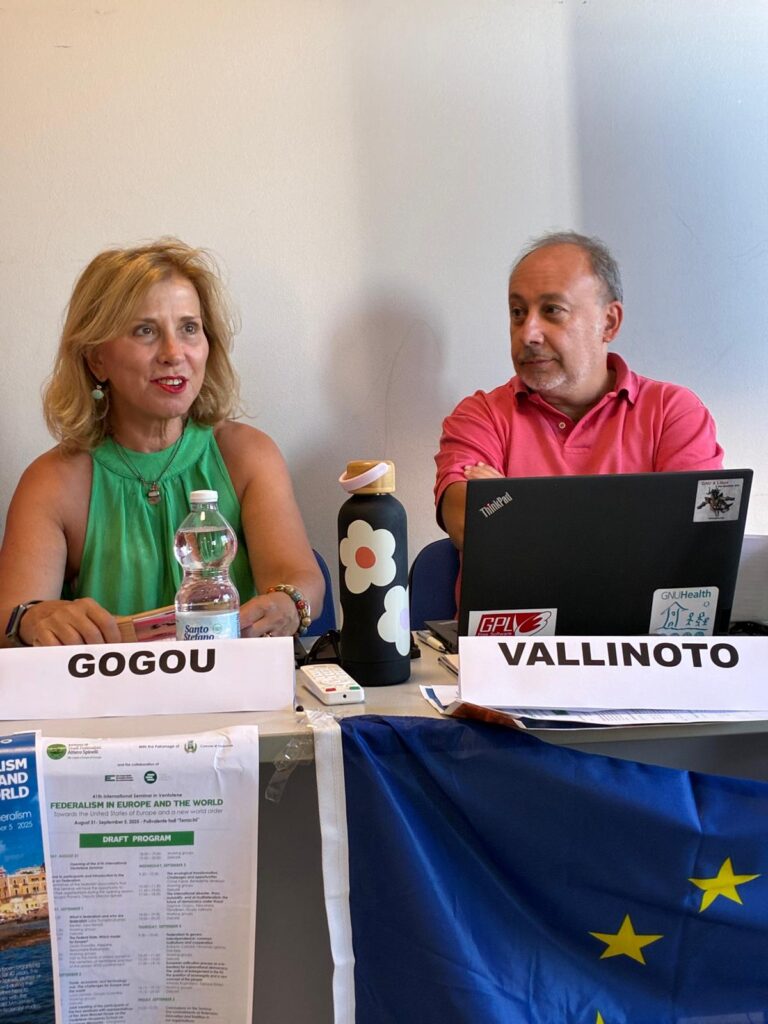
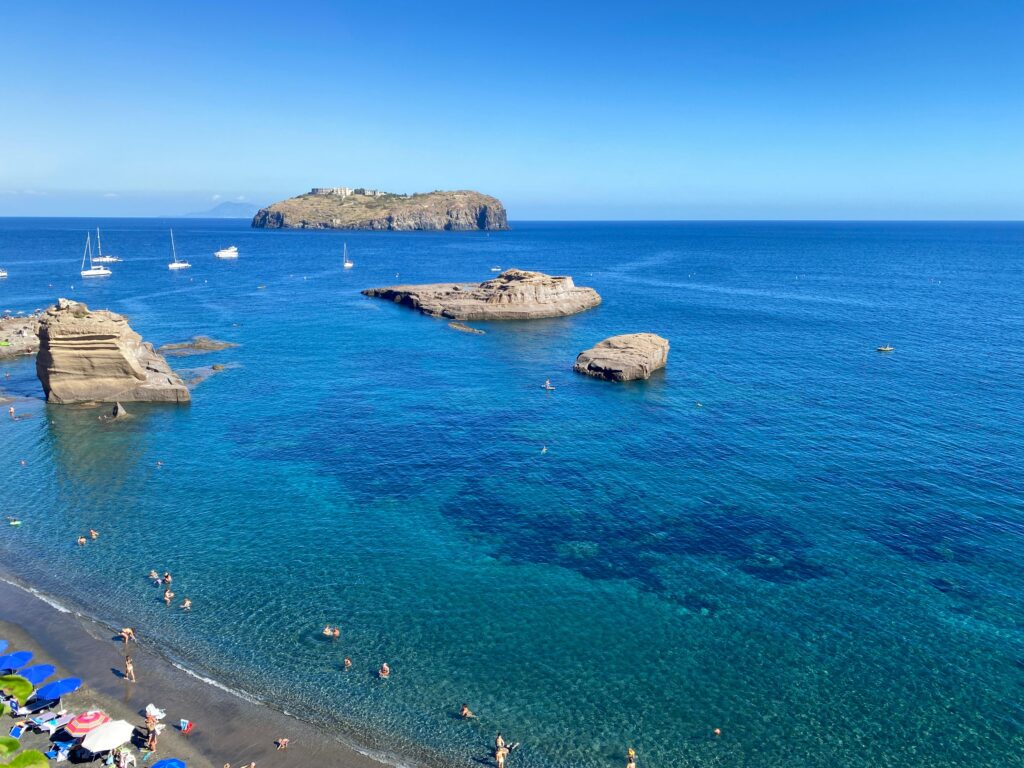
For the 41st consecutive year, the Altiero Spinelli Institute of Federalist Studies is organising its International Seminar on the island of Ventotene, a place of profound symbolic importance for European federalism. It was here, during the Second World War, that Altiero Spinelli, author of the Ventotene Manifesto, was imprisoned and laid the intellectual foundations for a federal Europe.
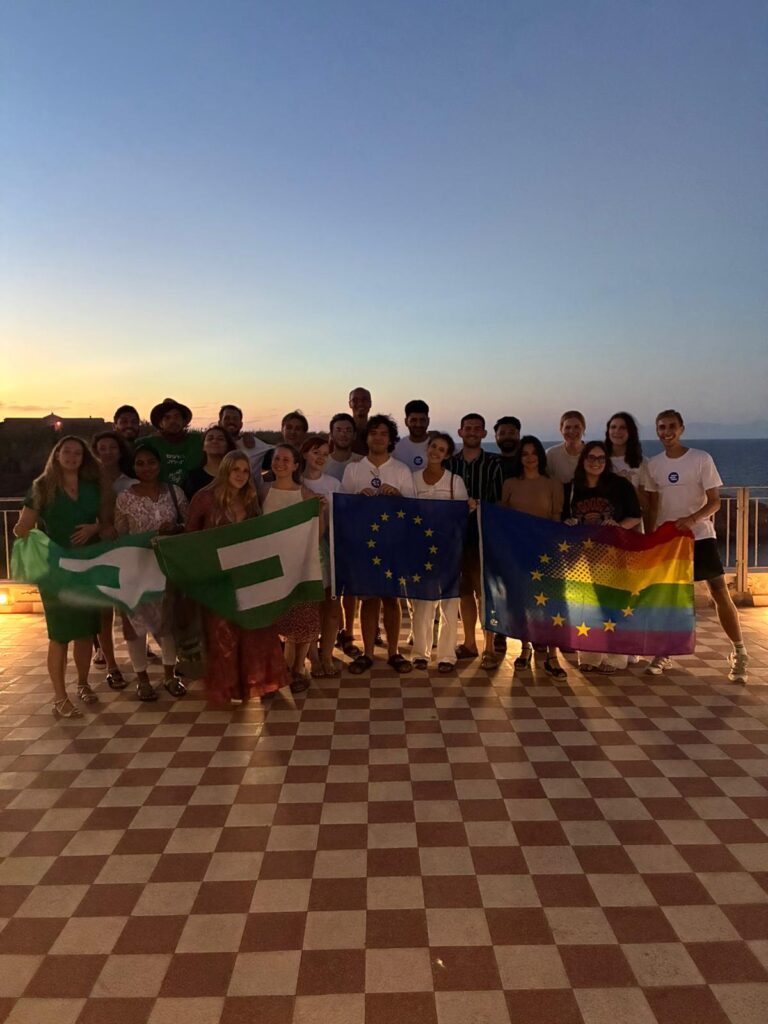
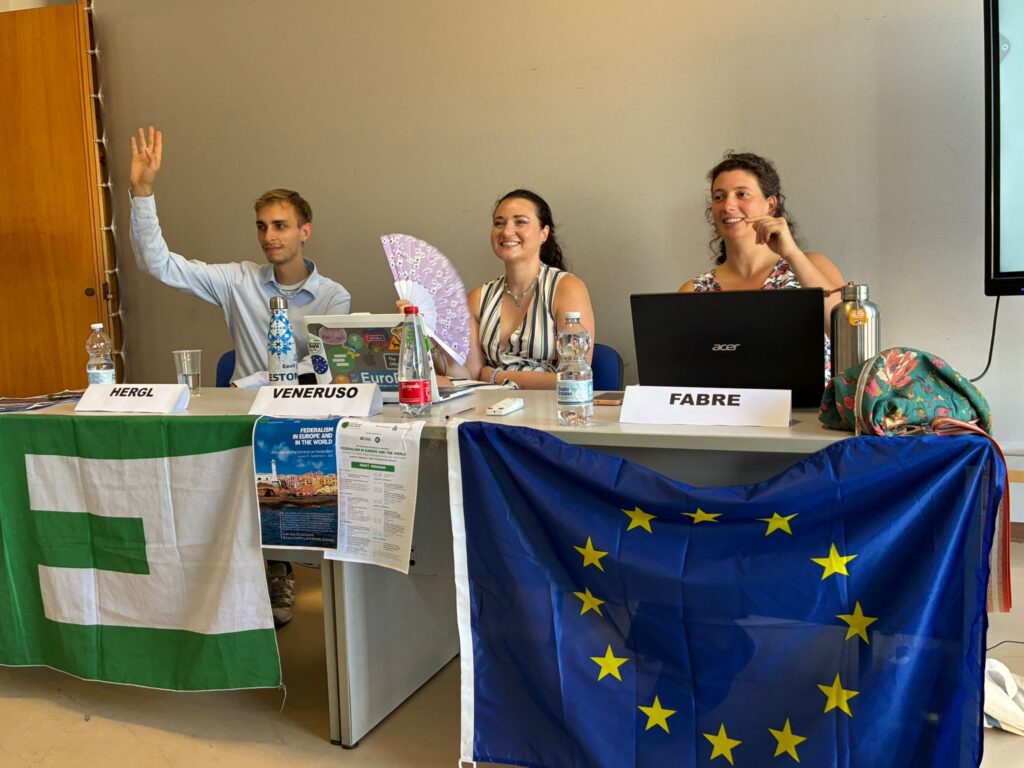
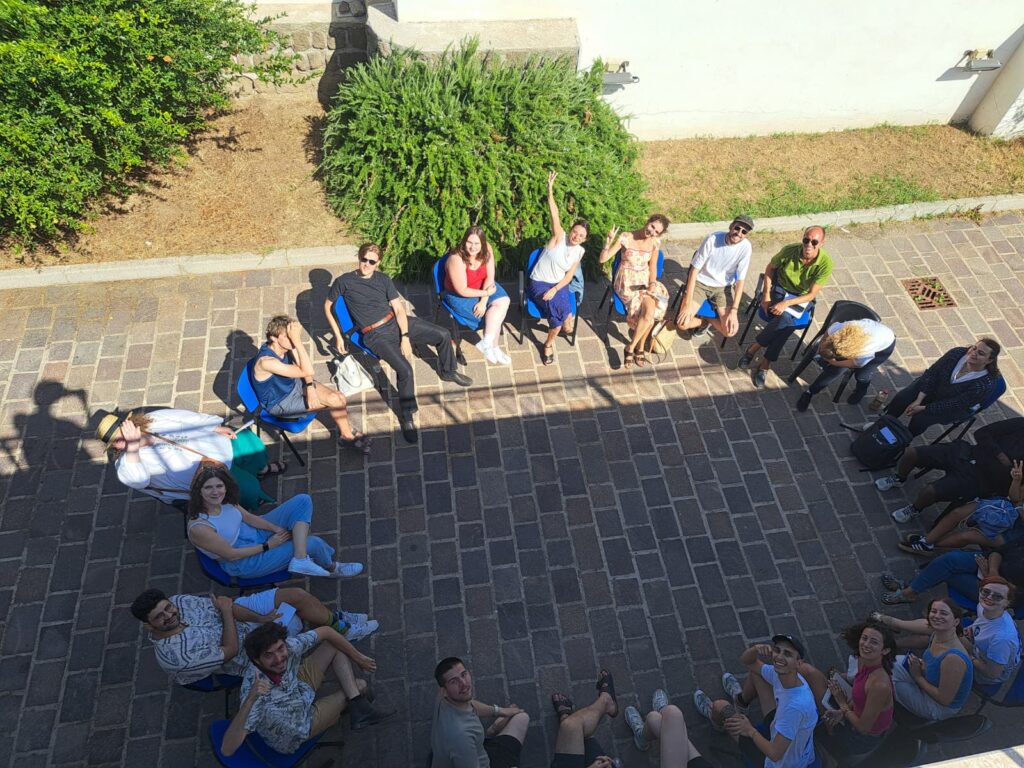
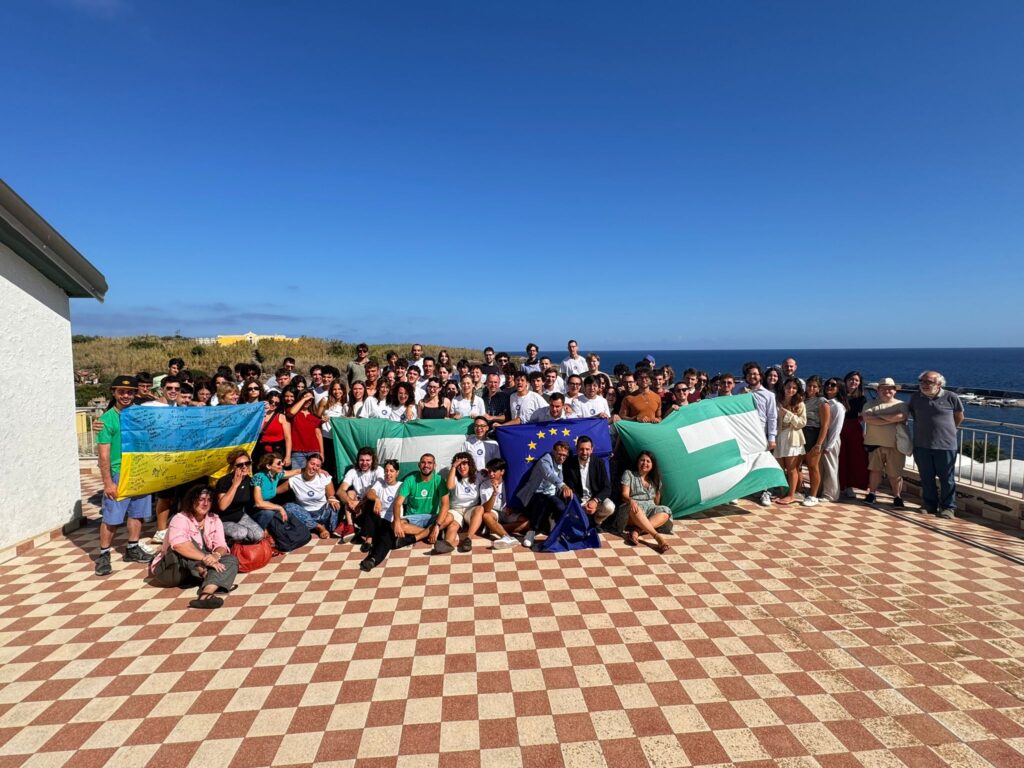
Once again, Ventotene becomes a living laboratory of ideas, bringing together 30 young federalists, 20 speakers, and more than 60 hours of training, debates, and working groups. The seminar confirms itself as a unique and intensive educational experience, where theory and political engagement meet.
A space for federalist education and debate
Throughout the week, participants engage with leading figures from the Union of European Federalists (UEF), JEF Europe, national JEF sections, and the World Federalist Movement (WFM). The programme combines plenary sessions, working groups, and debates, fostering both intellectual depth and collective reflection.
The seminar opens on Sunday, 31 August, with an introduction to federalism and presentations by the federalist organisations participating, under the chairmanship of Jacopo Provera, Deputy Director of the Spinelli Institute.
Key thematic sessions across the week include:
- Federalism and the role of federalists today
- Models of the federal state and their relevance for Europe
- European enlargement, sovereignty, and supranational democracy
- European defence and EU institutional reform
- Ecological transformation and social justice
- Global disorder, war, and the crisis of multilateralism
- Economic, trade, and technological competition in a fragmented world
- Federalism as a tool to govern interdependence
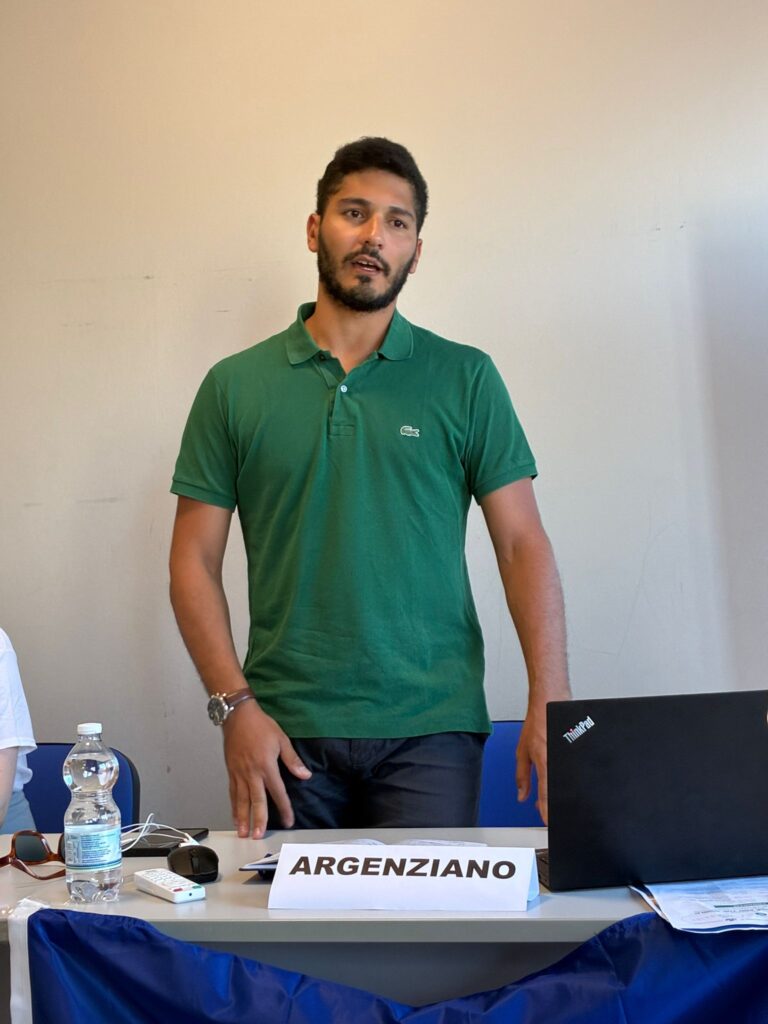
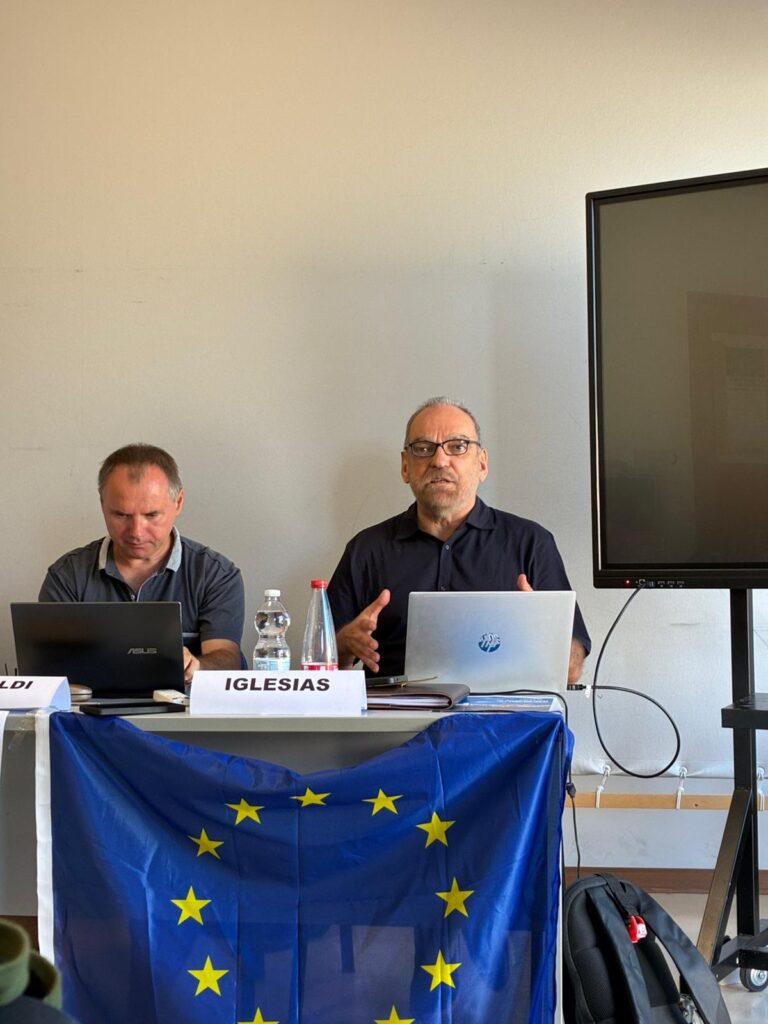
Speakers include, among others, Luisa Trumellini, Brando Benifei MEP, Domènec Ruiz Devesa, Roberto Castaldi, Fernando Iglesias, Chloè Fabre, Giulia Rossolillo, and representatives of JEF Europe and the WFM, ensuring a strong connection between academic analysis, political action, and youth engagement.
Memory, commitment, and the future
A particularly symbolic moment of the seminar is the visit to Altiero Spinelli’s tomb and the sites of his confinement on Ventotene, reconnecting participants with the historical roots of European federalism.
The week concludes on Friday, 5 September, with a collective discussion on “Our commitments as federalists: innovation and tradition in our organisations”, highlighting how the federalist movement can renew itself while remaining faithful to its founding principles.
For over four decades, the Ventotene Seminar has been shaping generations of federalists. In a time of geopolitical instability, democratic backsliding, and global challenges, the message from Ventotene remains clear: Europe’s future can only be built through shared institutions, democracy beyond borders, and a federal vision.
The “Altiero Spinelli” Institute of Federalist Studies (ASI) and the Municipality of Ventotene has been organizing an international seminar on the island of Ventotene for 41 years, in partership with the Union of European Federalists and JEF Europe. In the same period the Ventotene Italian Seminar (43 edition) is organized.
This island off the Italian coast is the place where Altiero Spinelli, author of the Federalist Manifesto of Ventotene, was imprisoned during the Second World War. Every year, young federalists gather here to discuss federalist ideas on European and global issues with the leading experts of the European and World Federalist Movement. The seminar is a unique and intense experience on federalist studies.
Here we are building the future of Europe!
APPLICATIONS
- Application forms must be submitted online by June 25, 2025.
- Applications submitted by candidates older than 35 years will not be taken into consideration.
The form to apply is this LINK
For any request here, send an email to: director@istitutospinelli.org
ADMISSION
By July 15, the ASI will select the participants and will provide them with detailed information concerning the procedure for confirmation, the program, and how to reach Ventotene.
PARTICIPATION CONDITIONS
A) CONDITIONS FOR INTERNATIONAL PARTICIPANTS
Participants (with the exclusion of Italian participants)
Selected participants will receive, without any cost, full board and accommodation from lunch on
August 31 to lunch on September 5 (included).
Travel expenses will NOT be reimbursed. With advanced booking it will be possible to fly to Rome or
Naples (the closest airports) with low–cost flights from many European airports.
Seat Deposit
A seat deposit of 100 € shall be paid in advance by both European and non-European participants,
once they have been selected, in order to confirm their participation. The full amount of 100 € will be
returned to each participant at the end of the seminar, provided that s/he will have attended all sessions. Instructions for providing the funds will be given in the notice of acceptance. The deadline for
the payment of the deposit is July, 24. The deposit might be returned to participants who eventually
will not take part in the Seminar but only if they communicate to the ASI their impossibility to participate before July, 30.
Participants will be invited to provide the details (Beneficiary, IBAN code, BIC/SWIFT code) of the bank
account where the reimbursement will be transferred.
B) CONDITIONS FOR ITALIAN PARTICIPANTS TO THE INTERNATIONAL SEMINAR
The conditions for Italian participants are the same designed for the participants of the national seminar (150 € participation fee and 70% travel reimbursement up to a maximum reimbursement of 50 €: for more info, see the “Bando” on the ASI website). Participants selected to take part in the seminar
shall pay the participation fee of 150 € before July, 24. No seat deposit is requested. The fee might be
returned to participants who eventually will not take part in the Seminar only if they communicate to
the ASI their impossibility to participate before July, 30. Participants will be invited to provide the details
(Beneficiary, IBAN code) of the bank account where the reimbursement of travel expenses will be
credited.
C) WORKING LANGUAGE
English will be the working language for the international seminar.
PC 1 Chair Luca Lionello, professor of European Law at the Università Cattolica del Sacro Cuore, participated in an interview togheter Maria Tadeo, The Grand Continent, regarding the European Defence future on SKY ITALY TG24.
The interview focused on the topic of European rearmament of individual countries and how a ‘European defence’ in the sense of greater integration of individual countries' defences within a Structured and Permanent Cooperation can be developed with non-EU countries.
Lionello's answer was: ‘PESCO allows us to do many things but the problem is the decision-making system, which unfortunately is still unanimous in foreign and defence policy. So you can do something now but in perspective you have to reform the Treaties.’
‘But what is the difference with the cooperation achieved to make the Euro?’ the journalist continued. Luca replied, ‘The Euro was made a unanimous treaty with exceptions made to some countries. By contrast, foreign policy and defence can be done but it will only be done between willing countries in contrast to countries that are against it. We have to wait for the new German chancellor to see what proposals he will make together with Macron.'
‘But wouldn't it be possible to reuse the old CED Treaty that was not approved in the 1950s to speed up the construction of a European defence?’ ‘It is a fascinating hypothesis but difficult to resurrect because it was written in another historical context and only between 6 countries but it can serve as a model. However, making European defence does not mean having an army of men in European uniforms and with a European flag. It is much more complex than that: It is much more complex than that: what is a priority is a common foreign policy because having a collective but unanimously decided instrument of 27 would not be possible. Defence policy needs strategy, vision, industrial structure. As long as a country like Hungary stops everything doesn't work. The question in the coming months is how to overcome the intergovernmental dimension and give a voice to the European Parliament, which has no voice.’’
It is much more complex than that: what is a priority is a common foreign policy because having a collective but unanimously decided instrument of 27 would not be possible. Defence policy needs strategy, vision, industrial structure. As long as a country like Hungary stops everything doesn't work. The question in the coming months is how to overcome the intergovernmental dimension and give a voice to the European Parliament, which has no voice.’
Towards the end of the conversation, the question was asked: ‘Is there a way to kick someone out of the European Union?’ No because the EU is a unique international organisation, an association of states but also of citizens, so you cannot kick out one of its members as you would in any other international organisation. The solution is not to kick someone out but to advance the integration project in order to confront Orban and his loyalists with the contradiction of staying out of a stronger and more cohesive Europe.’
To watch the video in Italian: LINK.
This article was written by Giuliano Torlontano citing the MFE President Stefano Castagnoli, former UEF President Sandro Gozi and the Spinelli Group board member Brando Benifei and published on the 14 March 2025 in the weekly magazine L'Espresso, about the need for the United States of Europe to stop the TrumPutin axis.
This article was written by Guy Verhofstadt, President of the European Movement International, Former MEP and Former Prime Minister of Belgium and Domènec Ruiz Devesa, President of the Union of European Federalists and Former MEP, published on the 03 March 2025 in the weekly magazine il Venerdi di La Repubblica, about the need for the United States of Europe to stop TrumPutin.
You can read the article in Italian here: LINK.
Weapons Alone Are Not Enough: We Need the United States of Europe to Stop TrumPutin
The America of the tycoon can no longer be considered a partner. The EU needs more than just joint arms production; it needs defense and politics at the federal level.
Just over a month into his term, it is already abundantly clear that Trump's United States are no longer our allies. There is no need to recall the imperialist statements on the Panama Canal, Canada, or Greenland, the threats of trade wars, his direct dialogue with Putin—a bloodthirsty dictator responsible for the most severe war of aggression in Europe since 1945—the attack on European democracy by Vice President Vance, the insinuations by the U.S. Secretary of Defense about the end of American security guarantees or the withdrawal of U.S. forces from the continent.
With the verbal aggression and attempted humiliation of Zelensky in front of the cameras on February 28th, the U.S. President has certified the end of the transatlantic alliance born on the USS Augusta by Churchill and Roosevelt in the summer of 1941 against the Nazi threat. Instead, we see the emergence of a new Trump-Putin axis.
We no longer share the same vision of the world and the same values: defense of international law, multilateralism, and democracy. Regarding Ukraine, we disagree with his collusion with Putin to impose a solution that legitimizes the aggression and does not guarantee its long-term security and that of Europe.
It is clear that we cannot rely on the United States for the territorial defense and nuclear deterrence of Europe, and therefore not on NATO, at least as we have understood it so far. The military alliance is entering a period of hibernation for at least the next four years. What should we do in view of Thursday's European Council meeting?
First, we must collectively become aware of this new reality. Until February 28th, some EU leaders still denied it. Some refused to accept that the Americans are no longer our friends, continuing to repeat the Atlanticist mantra. This is unsustainable.
Like Britain in 1940, Europe stands alone in the face of a real and present danger and must take responsibility for helping Ukraine, ensuring its own competitiveness and security, and becoming a true federal power. Secondly, we must integrate Ukraine into the EU economy (except for agriculture), sign an agreement on the extraction of rare earths through the European Investment Bank, and intensify our financial and military support.
U.S. aid has been crucial so far, but it is not irreplaceable. In fact, the total amount of European aid is already higher than that of the U.S. Europe is one of the strongest economies in the world: Russia's GDP is barely equal to that of Spain. We have no less than 200 billion euros in frozen financial assets of the aggressor state, which we must seize to arm and rebuild Ukraine.
Germany must deliver the long-range Taurus missiles and remove any restrictions on the use of weapons against conventional Russian military targets. We must tighten sanctions against the Russian ghost oil fleet and close indirect trade through Central Asia that circumvents them.
Thirdly, we must address the dual geoeconomic and geostrategic threat posed by Trump with a new European industrial plan financed by common debt and new own resources to bridge the technological, investment, and competitiveness gap identified in the Draghi report and to strengthen our defense industrial capacity, including the creation of a European Armaments Bank.
An Existential Challenge
As with the pandemic, this is another existential challenge. But we cannot ensure our collective defense solely through the joint production of weapons. We must create a European Defense Community (EDC), with Ukraine's participation.
The EDC will be responsible for our territorial defense as the European pillar of NATO, which we can activate independently of Washington, applying the legal bases of the Lisbon Treaty on European common defense and Permanent Structured Cooperation. If Trump's allies in the Council were to block these possibilities, we would have to create them with a separate interim treaty, to be integrated into the EU framework as soon as possible.
We propose extending the scope of nuclear deterrence to all EU member states that wish to participate in financing the French arsenal. Simultaneously, we must strengthen our political union, eliminate national vetoes, and confer additional powers to the European Parliament through the federal reform of the treaties proposed by the European Parliament in 2023.
The well-intentioned still hesitate, but what else must happen for us to react? Russian tanks at the gates of Kiev or Warsaw? We must choose: the United States of Europe or TrumPutin.
The Executive Bureau of the UEF decided to join the initiative proposed by the Italian section of the UEF Movimento Federalista Europeo to try to identify the symbolic date of February 24 as the European day of resistance, 3 years after the beginning of the war of Russian aggression in Ukraine.
You can support this appeal signing here
24 FEBRUARY | EUROPEAN RESISTANCE DAY
APPEAL TO THE EUROPEAN UNION
On 24 February 2022, with the invasion of Ukraine, Russia declared war on the whole of Europe.
The project of European unity was born during the Resistance against Nazi-fascism, in order to ensure peace, democracy and freedom for the peoples of Europe, with shared sovereignty in various areas, through the creation of common institutions and policies.
Ukraine has chosen to be part of this process. Their resistance to Putin’s war, which is also a war to divide Europe, is therefore that of all Europeans who reject nationalism and imperialism, believe in freedom and democracy, and share the battle for a free and united Europe.
The European Federalist Movement therefore calls for the proclamation of 24 February as ‘European Resistance Day’, symbolising the struggle for freedom, democracy and peace.
Long live the Ukrainian Resistance! Long live European Unity!
24 ЛЮТОГО | ЄВРОПЕЙСЬКИЙ ДЕНЬ ОПОРУ
ЗВЕРНЕННЯ ДО ЄВРОПЕЙСЬКОГО СОЮЗУ
Вторгненням в Україну 24 лютого 2022 року Росія оголосила війну всій Європі.
Проект європейської єдності народився за часів руху опору наци-фашизму з метою забезпечення миру, демократії та свободи для народів Європи завдяки об’єднанню суверенітету в різних сферах, створенню спільних інституцій та запровадженню спільної політики.
Україна вже давно вирішила стати частиною цього процесу. Тому її спротив путінській війні, яка націлена не лише на захоплення України, а й на розподіл Європи, є спротивом усіх європейців, які відмовляються від націоналізму та імперіалізму, вірять у свободу та демократію і прагнуть боротися за вільну та об’єднану Європу.
Тому Європейський федералістичний рух пропонує проголосити день 24 лютого “Європейським днем спротиву”, як символ боротьби за свободу, демократію і мир.
Хай живе український Опір! Хай живе Європейська Єдність!
24 FEBBRAIO | GIORNATA DELLA RESISTENZA EUROPEA
APPELLO ALL’UNIONE EUROPEA
Il 24 febbraio 2022, con l’invasione dell’Ucraina, la Russia ha dichiarato guerra a tutta l’Europa.
Il progetto dell’unità europea è nato durante la Resistenza al nazifascismo, al fine di assicurare la pace, la democrazia e la libertà per i popoli europei, con la condivisione della sovranità in diversi settori, grazie alla creazione di istituzioni e politiche comuni.
L’Ucraina ha scelto da anni di essere parte di questo processo. La sua Resistenza alla guerra di Putin, che è guerra anche per dividere l’Europa, è perciò quella di tutti gli Europei che rifiutano il nazionalismo e l’imperialismo e credono nella libertà e nella democrazia, e condividono insieme la battaglia per un’Europa libera e unita.
Il Movimento Federalista Europeo propone pertanto di proclamare il 24 febbraio “Giornata della Resistenza Europea”, simbolo della lotta per la libertà, la democrazia e la pace.
Viva la Resistenza Ucraina! Viva l’Unità Europea!
24 FÉVRIER | JOURNÉE EUROPÉENNE DE LA RÉSISTANCE
APPEL À L'UNION EUROPÉENNE
Le 24 février 2022, avec l'invasion de l'Ukraine, la Russie a déclaré la guerre à l'ensemble de l'Europe.
Le projet d'unité européenne est né pendant la Résistance contre le nazisme et le fascisme, afin d'assurer la paix, la démocratie et la liberté pour les peuples d'Europe, avec une souveraineté partagée dans divers domaines, par la création d'institutions et de politiques communes.
L'Ukraine a choisi de faire partie de ce processus.
Leur résistance à la guerre de Poutine, qui est aussi une guerre visant à diviser l'Europe, est donc celle de tous les Européens qui rejettent le nationalisme et l'impérialisme, croient en la liberté et la démocratie, et partagent le combat pour une Europe libre et unie.
Le Mouvement Fédéraliste Européen appelle donc à la proclamation du 24 février comme « Journée Européenne de la Résistance », symbolisant la lutte pour la liberté, la démocratie et la paix.
Vive la Résistance Ukrainienne ! Vive l'Unité Européenne !
24 DE FEBRERO | DÍA EUROPEO DE LA RESISTENCIA
LLAMAMIENTO A LA UNIÓN EUROPEA
El 24 de febrero de 2022, con la invasión de Ucrania, Rusia declaró la guerra a toda Europa.
El proyecto de unidad europea nació durante la Resistencia contra el nazismo y el fascismo, con el objetivo de asegurar la paz, la democracia y la libertad para los pueblos de Europa, con soberanía compartida en diversas áreas, mediante la creación de instituciones y políticas comunes.
Ucrania ha elegido formar parte de este proceso.
Su resistencia a la guerra de Putin, que también es una guerra para dividir Europa, es, por lo tanto, la resistencia de todos los europeos que rechazan el nacionalismo y el imperialismo, creen en la libertad y la democracia, y comparten la lucha por una Europa libre y unida.
El Movimiento Federalista Europeo, por lo tanto, hace un llamamiento para la proclamación del 24 de febrero como «Día Europeo de la Resistencia», simbolizando la lucha por la libertad, la democracia y la paz.
¡Viva la Resistencia Ucraniana! ¡Viva la Unidad Europea!
24. FEBRUAR | EUROPÄISCHEN WIDERSTANDSTAG
AUFRUF AN DIE EUROPÄISCHE UNION
Am 24. Februar 2022 erklärte Russland mit der Invasion in der Ukraine dem gesamten Europa den Krieg.
Das Projekt der europäischen Einheit entstand während des Widerstands gegen den Nationalsozialismus und Faschismus, um Frieden, Demokratie und Freiheit für die Völker Europas zu gewährleisten, mit geteilter Souveränität in verschiedenen Bereichen durch die Schaffung gemeinsamer Institutionen und Politiken.
Die Ukraine hat sich entschieden, Teil dieses Prozesses zu sein.
Ihr Widerstand gegen Putins Krieg, der auch ein Krieg ist, um Europa zu spalten, ist daher der Widerstand aller Europäer, die Nationalismus und Imperialismus ablehnen, an Freiheit und Demokratie glauben und den Kampf für ein freies und vereintes Europa teilen.
Die Europäische Föderalistische Bewegung ruft daher zur Proklamation des 24. Februar als „Europäischer Widerstandstag“ auf, der den Kampf für Freiheit, Demokratie und Frieden symbolisiert.
Es lebe der ukrainische Widerstand! Es lebe die europäische Einheit!
FOCUS EUROPA is a political debate in italian hosted by La Miniera di Ivan Grieco organized with Movimento Federalista Europeo (UEF Italy), which in the year of the European elections was focused on the debate that the various political factions are conducting on the theme of the future of Europe and the will to continue with the reform path undertaken by the European Parliament in this legislature.
In autumn the program is focused on the Draghi Report and development to the EU economy.
The guests are Domenec Ruiz Devesa, President of the UEF, and Sandro Gozi, Board member of the Spinelli Group and the staff of La Miniera on the topic "La formazione della nuova Commissione europea. Tra presidenzialismo di Uersula von Der Leyen e debolezza dei governi'".
You can follow the live broadcast in italian here on 11 November 2024 at 13:00 https://www.twitch.tv/la_miniera
EURACTIV Italy interviewed Lukas Mandl, MEP of the European People's Party, president of the Austrian section of the European Union of Federalists, recently appointed president of the Spinelli Group, which brings together federalist MEPs.
What are the main objectives of the Spinelli Group in this legislature?
I can only speak for the beginning of the legislature, since, as you know, we have a rotation system for the chairmanship of the federalist parliamentary group called the Spinelli Group. It is an honour, but first and foremost it is a mission to chair this Group. The objective can only be the reform of the European Union. Thinking big is what we ask of the members of the Spinelli Group. And what we recommend to our colleagues in the European Parliament, as well as to all other EU institutions, including the Member States. To think big, to have more leadership, a more visionary approach to achieving EU reform.
I would like to draw attention to the fact that we have now passed the longest period in the history of the European Union without a new treaty. The Lisbon Treaty was the last one in 2008. We had no reform while the world was changing so much. We also have the longest period in EU history without a new accession. The last one was more than 10 years ago, that of Croatia in 2013. But one country, the United Kingdom, has left the EU. There are at least two facts, two figures - no treaty reform and no membership for the longest period - that must encourage us to visionary leadership to work on EU reform.
Leadership means serving. Leadership also comes with responsibility. The term ‘responsibility’ includes the word ‘respond’. To be able to respond to people's concerns. Because people's concerns are present in every single member state. Maybe in different ways, but in every member state there are concerns about the EU. In the capitals of the member states, in the governments of the member states, there is a risk assessment that leads to fears about treaty reform. Because there is fear that the situation will get worse. But fear is never a good attitude to deal with any kind of activity. We have to overcome this fear. We must take into account the risk assessment and work so that the situation does not get worse, but better.
Last but not least, President Emmanuel Macron is completely right when he says that the EU can also die. Memento Mori (remember you must die) is an absolute pillar of European intellectual history. And of course it also applies to the EU itself. Stating this does not mean wanting it, but on the contrary it means demanding a serious approach, as I have just tried to emphasise. What I really appreciate about the Spinelli group is that we draw attention to these main tasks and work together in a multi-party and transnational way. This will also be central to the success of the Spinelli Group.
After two and a half years of war in Europe, the EU is still far from a European defence. We still pay twice as much for energy as the US and China. According to the Letta and Draghi reports we are 800 billion investment short (20% must be public) needed to implement green and digital transitions and ensure a European defence. How can the EU overcome this?
The Letta and Draghi reports provide us with an excellent outline of the challenges and possible tools to solve the problems. Both reports can also be part of the Spinelli Group's policies for this term. Secondly, we must not stop halfway. I have a lot of confidence and that is why I voted for Ursula von der Leyen again for a second term. I know and take the concerns of the people very seriously, because I have to represent the citizens. I voted for her again to ensure stability and because I believe she will not stop halfway when it comes to defence. As you have just pointed out, we must continue to strengthen Europe's defence capabilities - which, as you know, we started with the war of aggression against Russia. We must continue to do so. For the first time we will have a defence commissioner. At the very first meeting of the Spinelli Council, several members of various groups expressed the wish to invite the new Defence Commissioner, Andrius Kubilius, to one of the first meetings of the Spinelli Group at the beginning of the mandate. And in all the other areas you have just mentioned, leadership and responsibility, also understood as responsiveness, will be important. This is what the Spinelli Group will recommend and also politically demand from the EU institutions.
Yesterday the patriots had the upper hand, voting amendments to the budget resolution with the EPP and then voting against the whole resolution with the S&D and the Greens. Since the Spinelli Group includes MEPs from all pro-European parties, can it play a role in helping Ursula's pro-European majority to remain united and keep the nationalist groups at bay?
Yesterday's less than pro-European behaviour was not the vote on transparency and accountability of humanitarian aid and funding in the Palestinian territories. Because that was the issue. It is a clear pro-European approach to transparency and careful handling of taxpayers' money. The problem with not being very pro-European was to vote against the report in its entirety. This should not have happened. But I respect this democratic result and emphasise it. There is no doubt that the European People's Party is pro-European - but I don't really like the expression because there is no possibility of being anti-European; that would be schizophrenic. But so are the other groups represented in the Spinelli group, precisely because of their pro-European approach. Of course, the Spinelli group is part of the glue that unites the pro-European groups. It does not matter that the vote in the European Parliament can never be predicted in its entirety. Voting dynamics are part of parliamentarianism and those who respect democracy also respect these voting dynamics.
The Spinelli Group played an important role in the drafting of the proposal for treaty reform approved by the European Parliament in November 2023. Are you going to relaunch this initiative to put pressure on the European Council to convene a Convention? What can we learn from the fact that the European Council did not even put Parliament's Treaty reform proposal on the agenda? Is Parliament's power of initiative to amend the Treaties jeopardised or at risk by the European Council's ignoring Article 48 TEU?
I think we have to do both at the same time. On the one hand, we have to think big and demand leadership and a visionary approach. On the other hand, we have to deal with the existing structures, which do not grant the European Parliament the power that would be appropriate for a directly elected Parliament. Of course we must ask the governments of the member states to convene a Convention. But we must also ask them what they are waiting for. That is, what else needs to happen to start the EU reform process, which will take many years anyway. On the other hand, we have to take seriously the risk assessment of member state governments and address their concerns to try to persuade them. And never stop talking - that is the speciality of parliamentarians. This is what we should also do vis-à-vis Member State governments to overcome their fear. Fear is never a good counsellor. Overcoming fear and having a visionary approach to the Convention will be our recommendation.
How can we overcome the fear of the risk of failure, considering the outcome of 2005 on the Constitutional Treaty (when referendums in France and the Netherlands voted against ratification and caused the Constitutional Treaty to fail, even though other referendums were in favour and the majority of European citizens who voted in a referendum were in favour of ratification)? How can we possibly avoid a similar fate for the next treaty reform?
I believe that it cannot be 100% avoided. But the example of 2005 and the subsequent Lisbon Treaty shows that the EU is capable of standing up if it is forced to do so. The Lisbon Treaty would not have been successful without the problem of creating a European Constitution. We keep running. The positive, constructive, visionary and unifying approach has always won in the end. This does not mean that Macron is wrong. He is right: the EU can also fail. But as long as we keep running, we will not let it fail. The example of 2005 is negative. But it is also positive because it shows that there is always meaning and significance in continuing to run, to try and to get back up after falling.
Friday 18 October, 17.00 |Sala Convegni ASEL, Piazza Galilei 17
Presentation and Debate on the book
Europe of Tomorrow: A Renewed Union in a Changing World
- Prof. Alberto Majocchi - University of Pavia
- Moderator: Flavia Corda - Journalist of Rai 3 Regionale


Saturday 19 October, 9.30-13.30 | University of Cagliari Via Nicolodi 102, Aula Lai
Political Debate
The European Federation: a valid response to humanity’s emergencies?
Institutional greetings: President of the RAS Council, President of the RAS Board, Mayor of Cagliari, President of AICCRE Sardinia, President of ASEL Sardegna
Presides and moderates: Vincenzo Di Dino (Secretary of the MFE-Cagliari section)
Relations:
- A strengthened European budget and a fiscal federalism model to manage the climate emergency, Alberto Majocchi - University of Pavia
- Europe and the Mediterranean: challenges and prospects for expanding unity in diversity, Nicola Melis and Carlo Sanna - University of Cagliari
- The European Union in the balance. The urgency of creating a federal political union, Luisa Tumellini - National Secretary MFE
- The European Federation as a response to the new generations, Ilaria Caria - UEF Secretary General
Debate with scheduled interventions (including Head of Europe Direct Sardinia, President of Associazione Stampa Sarda and Regional President of ACLI) and from the public.


Saturday 19 October, 15.00-19.15 | Sardinia Foundation Conference Hall Viale S. Salvatore Da Horta 2
Debate Office of the Movimento Federalista Europeo
15.00-17.00
How Unity in Diversity is Achieved
Chaired and concluded by Ilaria Caria - UEF Secretary General
- "The European Union and the Realization of a Single and Shared Sovereignty: The Response to Autonomist Claims", Domenèc Ruiz Devesa, President of the UEF
- "The European Union in the age of its conditionality", Francesco Seatzu, University of Cagliari
- "From Chaos to Harmony: Europe's Journey to a Collective Identity", Emanuele Palomba, GFE Cagliari
17.15 – 19.15
Building European security by sharing competences between different levels of power
Chaired and concluded by Stefano Murgia - MFE Cagliari
- The EU security challenge: building a command structure that answers to a single political summit. The question of competences 1, Domenico Moro, MFE Turin
- Building a real European foreign and security policy as a condition for realizing European defense. The question of competences 2, Roberto Castaldi, MFE Pisa
- Technical questions on common defense, Edoardo Pecene, GFE Tuscany


Sunday 20 October, 9.00-12.30 | “Sa Manifattura” Viale Regina Margherita n. 33
ore 9.00-11.30
The EU and the challenge of becoming a federal union
Chaired, introduced and concluded by Valentina Usai (MFE Cagliari)
- The European Union and the challenge of having a Constitution, Giulia Rossolillo, Vice President UEF, MFE Pavia
- The distribution of competences in the Federal Union, Paolo Ponzano, European Movement Italy
- Federalist action and civil society involvement: a territorial approach for the realisation of the European Federation, Gabriele Casano, GFE Torino
Ore 11.40
- Kantian Federalism: A Union of Different Peoples, Commemoration of Immanuel Kant on the 300th anniversary of his birth. Report by Angela Taraborrelli (University of Cagliari and European Consortium for Political Research - Kantian Standing Group)
Ore 12.00
- Conclusions by Raimondo Cagiano, National Coordinator of the Debate Office of MFE

