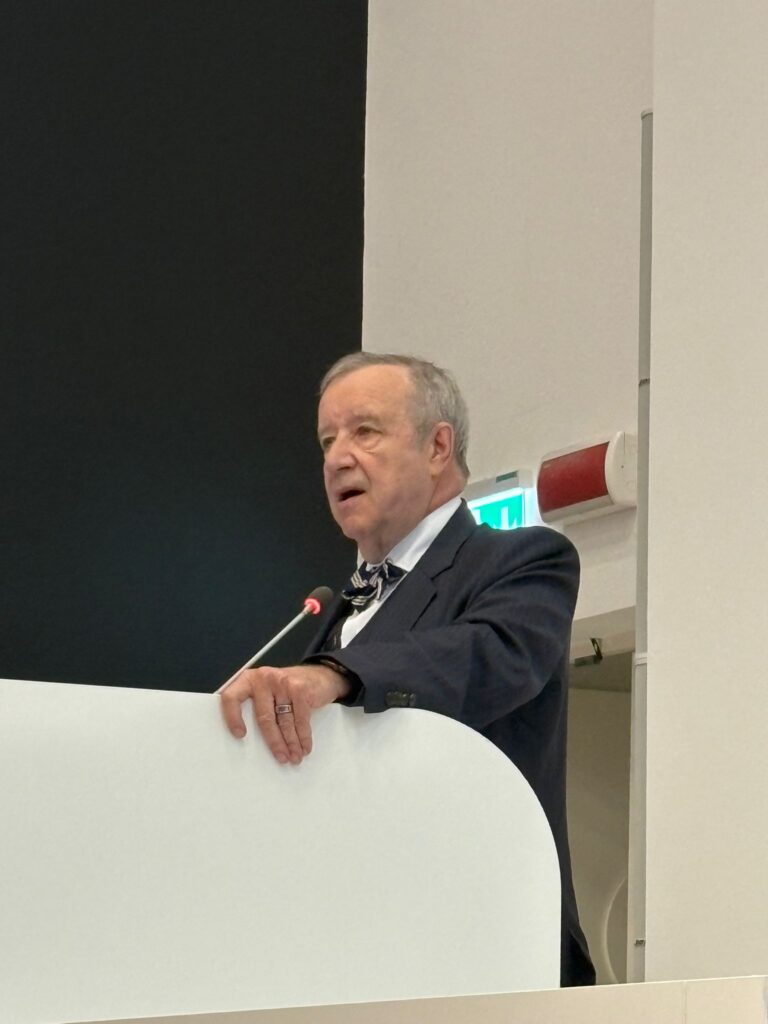
In his speech at the conference, Ilves stressed that, for the first time, Europe is alone and can no longer rely on the United States’ security guarantee. The EU is facing aggressive powers: Russia militarily, China economically and financially, and the United States through tariffs and security threats. We need a revolutionary change to secure a future for Europe and for our children. Member States must set aside their specific interests in favour of the broader common good in order to regain competitiveness and ensure independence.
Ilves underlined the importance of implementing the Draghi and Letta Reports by completing the single market for capital, energy, and telecommunications, rethinking competition policy and investment strategies to create European-scale companies capable of competing with American and Chinese firms. He emphasised the need for a European defence, including joint procurement, industrial cooperation, and investments in artificial intelligence, which is transforming warfare and will define the future. He also highlighted the need for EU governance reform, including overcoming unanimity, simplifying regulation, and introducing common debt to finance joint investments, particularly in defence and competitiveness.
He reflected on the revolutionary nature of the Schuman Declaration and on how the challenges of 1950 must have seemed impossible to overcome. Yet through European integration, peace and economic development were secured. Now we know what needs to be done — the Draghi, Letta, and Niinistö Reports provide important guidance — and we must put them into practice. The alternative is decline and the loss of independence.
Ilves stressed that Europeans can be strong if united or weak if divided, and he issued a call to action. “Each of us can do something,” he said, by acting, voting, and helping to ensure that change happens. In line with this message, later in the afternoon he took part in a March for Europe through the streets of central Turin, organised by the European Federalist Movement, the Do Something Committee, and Volt Europa together with numerous NGOs, political parties, and trade unions.
What should Europe do to face the challenges ahead?
We are facing a very serious problem, far more serious than the small partisan struggles taking place within the Council and Parliament. They are dealing with secondary issues while forgetting the truly important ones. We are facing a profound crisis. We suffer from a “normalcy bias”: we think the world we live in today will last forever. Just as people in Vienna in 1913 believed that the Austro-Hungarian Empire would exist forever. But that is not the case. If we do not adapt to the new context, our entire way of life could disappear, and all we will be left with is nostalgia for how things once were.
We are caught between the hammer and the anvil, between Trump, Putin, and Xi Jinping. What more do we need to wake up?
To truly deal with modernity, we must think of ourselves as a state, with the rights and powers of a state. Without a common borrowing capacity, we will not be able to finance what needs to be done. This cannot happen unless we become a far more unified entity capable of taking on debt. And given our economic weight, we can borrow at low interest rates. We must also unify our capital markets in order to secure major investments that are currently impossible because they take place only at the national level.
The future of defence does not lie in tanks, but in artificial intelligence and technology. We see this in the war in Ukraine. Why is Ukraine performing better now? Because it is technologically more advanced than the Russians. If we want to compete and defend ourselves against China — or against China through Russia, since the technology comes from China — or against attempts by the United States to destabilise us. The United States stated in its national security strategy that it wants a weak Europe. Trump keeps clashing with us. When Sánchez says, “you cannot use Spanish bases,” Trump responds, “I will increase tariffs on Spain.” Then he realises he cannot, because the European Union acts as one on trade matters. So he gets a response from the entire EU. Therefore, he cannot do it. Both Putin and Trump want a divided Europe, because every European country, even Germany, is small compared to the United States or even Russia, not to mention China. We must understand that the powers that dislike Europe do not appreciate our values and see Europe as a threat. Therefore, they are working to destabilise it.
Trump has put pressure on the EU, but also on Canada. Europeans reacted by trying to flatter Trump, whereas Canada responded very firmly. In theory, the EU is much stronger economically than Canada and far less vulnerable to the United States than Canada is, yet Canada gave a much firmer response. Is this perhaps because Canada has a federal government and Europe does not?
It is difficult to say who is more vulnerable, because Canada does not face a real direct military threat, although economically it is far more interdependent with the United States. But the answer is partly yes. Canada has a prime minister who is the head of the country and who can make decisions and say what he wants. Here, instead, we have various psychopaths competing with one another over who can be nicer to Trump. And in the end they get hit anyway, like Merz now. The only person in Europe today who carries real weight is Pope Leo XIV. The United States fears Leo XIV, not Meloni, von der Leyen, or any other leader. They can insult them as much as they like. But when they insult the Pope, then it truly becomes a problem.
Who can take the initiative towards common debt, a European defence, and a single foreign policy, as you advocate?
It should be the European Council. But to achieve this, we must win over as many governments as possible to a more pro-European line through elections. I am convinced this is possible if, at the national level, there are bold and courageous politicians willing to say that we must do this, rather than provincial leaders. For example, I would say Macron is extremely provincial on this issue. He always talks about “Europe,” but in reality what he wants are contracts for French companies, not European ones. We saw this when he tried to prevent the United Kingdom from participating in the SAFE programme.
Today we celebrate Europe Day in remembrance of the Schuman Declaration, which was actually inspired by Jean Monnet, who later also created the Action Committee for the United States of Europe. A new one has now emerged that seeks to bring together pro-European figures from across Europe. Do you intend to join them? Do you think these are the kinds of initiatives that can help bring together activists and politicians to convince public opinion and governments?
I will do anything that can be helpful. Since this can help, I will join them.
In his speech at the conference, Gentiloni observed that the EU finds itself in an unprecedented situation, with Russia, China, and the United States all acting against Europe. He stressed the need to achieve genuine strategic autonomy and to implement the Draghi and Letta Reports. He called for strengthening European democracy by abolishing or significantly limiting the use of unanimity in European decision-making processes; merging the presidencies of the European Commission and the European Council; and granting the European Parliament the power of legislative initiative. He underlined that 75% of the population feels European and supports the EU, and that national governments are therefore lagging behind citizens’ desire for greater integration. He recalled that the EU was born as a project to guarantee peace in Europe, and that today it is necessary to create a European defence in order to help secure peace around the EU as well. He added that the creation of a European defence will go hand in hand with a European fiscal capacity to finance it. A stronger EU is also essential to defend liberal democracy and to keep Europe the best place in the world to live.
What should the European Union do to relaunch itself?
I think the objectives are quite clear regarding defence and competitiveness. It is somewhat more difficult to understand how to achieve them. In this respect, it is useful that on occasions such as 9 May there is also mobilisation from public opinion and political parties. This cannot be something left solely to the dynamics of the European institutions. Therefore, the meeting that took place today in Turin can provide a useful push in this direction.
Is an initiative by a vanguard of countries possible? After all, both Schengen and the euro began with a smaller group that later expanded.
That would be absolutely necessary. There are already some small steps in this direction, such as the Spanish initiative among finance ministers to launch a core group of the six main economies. We will see whether it manages to produce interesting proposals.
The problem is always to keep in mind that things are not as simple as they are sometimes described. The difficulty in major European issues is very often the difficulty of finding agreement among the large countries. We often take refuge in the idea that the obstacle is this or that small reluctant country recklessly using its veto power. Certainly, this has happened.
Orbán was a specialist in this, but in many cases the real problem is that getting France, Germany, Italy, Poland, and Spain to agree is far from simple. That is what has often blocked us. And before, when the United Kingdom was also involved, even more so. Therefore, we need to work to create stronger cooperation among the major countries. In my opinion, this could act as a driving force for the entire Union.
France, Italy, and Spain will go to elections in 2027. With the current governments in the final phase of their legislatures, is it possible that they could take the initiative? Or will the window of opportunity come immediately after the elections, during the honeymoon phase of the new governments?
That depends on how the elections go. It could even be the opposite. Clearly, the French situation could be crucial, because France currently has a very pro-European president and executive. I do not think the same can be said about Italy at the moment. We shall see. Every country has its own story. I insist that there must also be pressure from politics, parliaments, and citizens to move towards a greater phase of integration. It is not enough simply to hope that governments will change.
Pictures
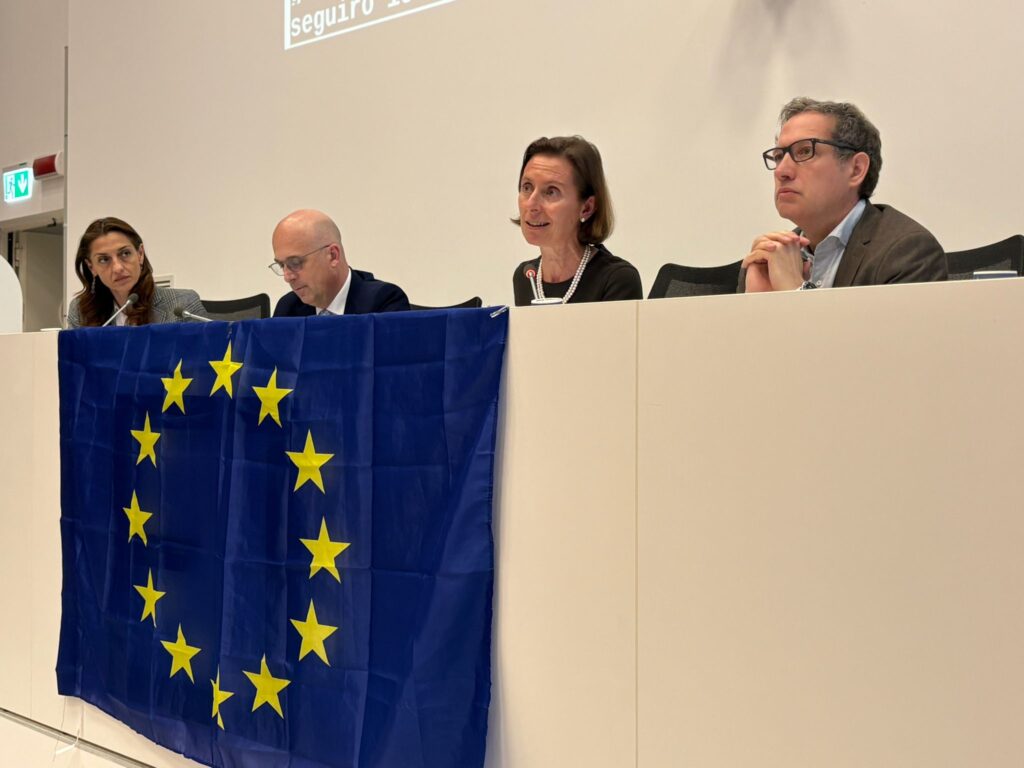
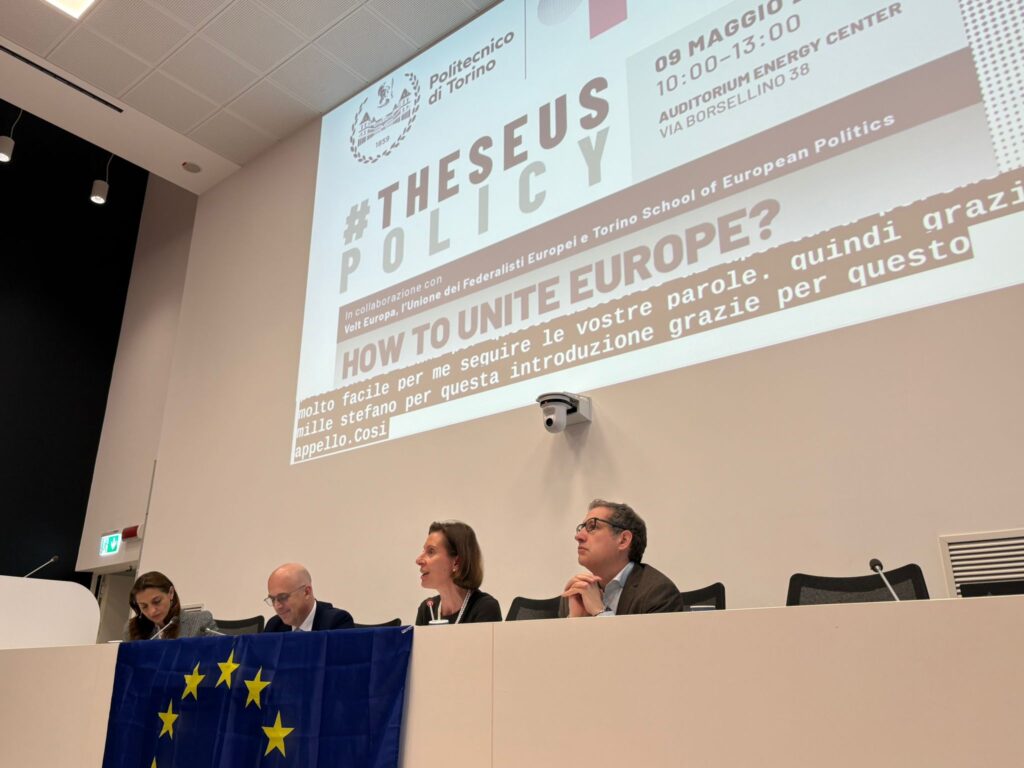
From left: Irene Tinagli MEP VP EP, Stefano Sacchi, Luiza Bialasiewicz, Domenec Ruiz Devesa, President of the UEFToomas Hendrik Ilves, former President of Estonia Republic
Thanks to the initiative of Giulia Rossolillo, Vice-President of the Union of European Federalists, the Fondazione Mario e Valeria Albertini, in cooperation with the Department of Law of the University of Pavia, Collegio Ghislieri, and the Centre for Studies on the European Union (CSUE), organized a cycle of three public debates entitled “European Union: Autonomous Actor or Vassal?”.
The events, hosted in the Aula Goldoniana of Collegio Ghislieri in Pavia, aimed to address a crucial question: can the European Union act as a truly autonomous global actor, or does it remain structurally dependent on external powers?
As outlined in the official programme , the cycle covered three key dimensions of European sovereignty: artificial intelligence, monetary policy, and fiscal integration.
First Debate: The Ethical Dimension of Artificial Intelligence
The first meeting, held on 31 March at Collegio Ghislieri, featured Giuliano Noci (Politecnico di Milano) and addressed “The True Ethical Dimension of Artificial Intelligence.” The debate, moderated by Giulia Rossolillo, opened a broader reflection on the systemic impact of artificial intelligence on contemporary society.
Article based on this event
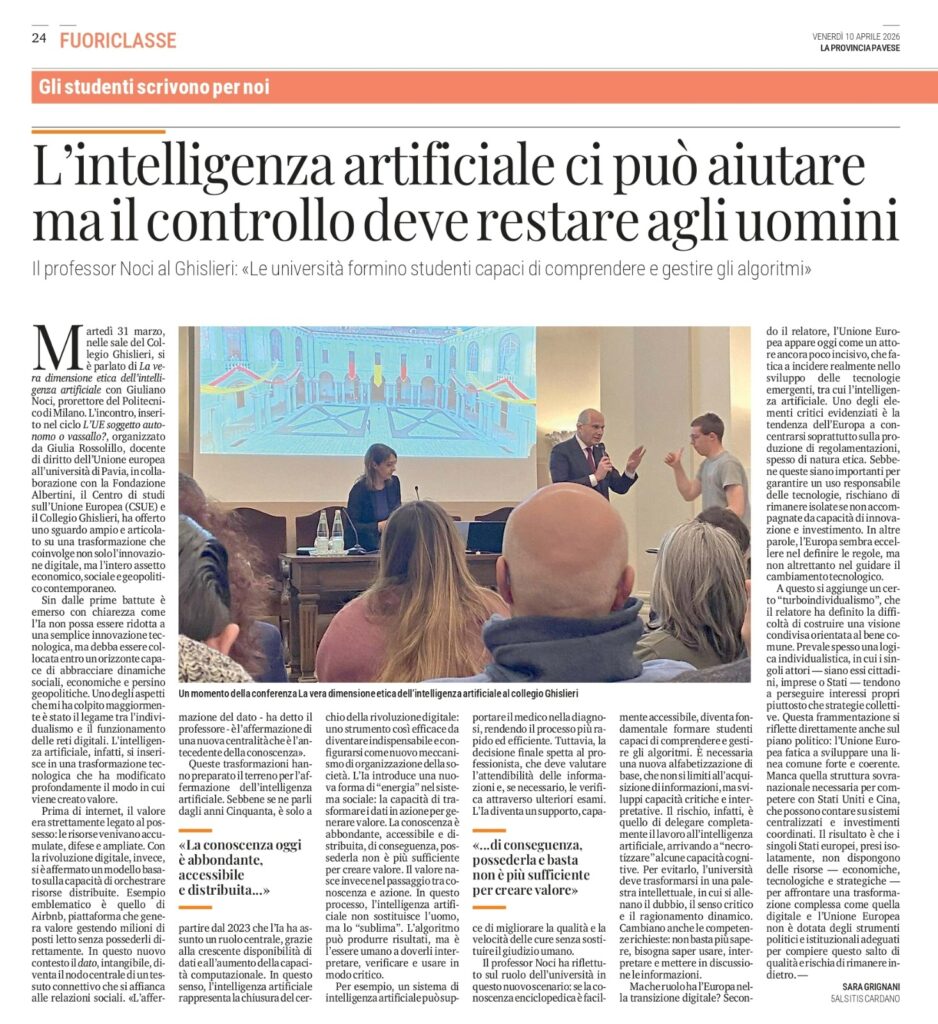
Artificial intelligence can help us, but control must remain in human hands
Professor Noci at Ghislieri: “Universities must train students capable of understanding and managing algorithms”
On Tuesday, March 31, at Ghislieri College, a discussion was held on The True Ethical Dimension of Artificial Intelligence with Giuliano Noci, vice-rector of the Polytechnic University of Milan. The meeting, part of the series The EU: autonomous actor or vassal?, organized by Giulia Rossolillo, professor of European Union law at the University of Pavia, in collaboration with the Albertoni Foundation, the Center for European Union Studies (CSUE), and Ghislieri College, offered a broad and detailed perspective on a transformation involving not only digital innovation, but the entire contemporary economic, social, and cultural framework.
From the very beginning, it became clear that AI cannot be reduced to a simple technological innovation, but must instead be understood within a broader horizon embracing social, economic, and even geopolitical dynamics. One of the aspects most emphasized by the speaker was the relationship between individualism and the functioning of digital networks. Artificial intelligence is part of a technological transformation that has profoundly changed the way value is created.
Before the internet, value was closely tied to ownership: resources were accumulated, defended, and expanded. With the digital revolution, however, a model emerged based on the ability to orchestrate distributed resources. A symbolic example is Airbnb, a platform that generates value by managing millions of beds without directly owning them. In this new context, data — intangible in nature — becomes the central node of a connective network intertwined with social relationships.
“Knowledge today is abundant, but distributed…”
The speaker’s point was clear: “Information alone is no longer sufficient.” These transformations prepared the ground for the rise of artificial intelligence. Although AI has been discussed since the 1950s, it is only from 2023 onward that it has taken on a central role, mainly thanks to data availability and increased computational capacity. In this sense, artificial intelligence represents the completion of the digital revolution: a tool so effective that it becomes indispensable and acts as a mechanism for organizing society.
AI introduces a new form of “energy” into the social system: the ability to transform data into action in order to generate value. Knowledge is abundant, accessible, and distributed; therefore, merely possessing it is no longer enough to create value. Value instead comes from recognizing the hidden and relational meaning of data, and from being able to interpret and use it.
For example, an artificial intelligence system can assist a doctor in diagnosis, making the process faster and more efficient. However, the final decision belongs to the professional, who must evaluate the reliability of the information and, if necessary, verify it through further examinations. AI thus becomes a support tool, capable of improving the quality and speed of healthcare without replacing human judgment.
Professor Noci also reflected on the role of universities in this new scenario: if encyclopedic knowledge is easily accessible, it becomes essential to train students capable of understanding and managing algorithms. A new basic form of literacy is needed — one that does not stop at acquiring information, but develops critical and interpretative skills. The risk, in fact, is that the use of new technologies may generate cultural dependence and a progressive loss of critical autonomy.
But what role does Europe play in the digital transition? According to the speaker, the European Union currently appears to be a still weak and not very influential actor, struggling to truly shape the development of emerging technologies, including artificial intelligence. One critical aspect highlighted was Europe’s tendency to focus mainly on producing regulations, often of an ethical nature. Although these are important for ensuring the responsible use of technology, they risk remaining isolated if not accompanied by innovation and investment capacity.
In other words, Europe seems to excel at defining rules, but not equally at leading technological change. Added to this is a certain “turbo-individualism,” which the speaker described as the difficulty of building a shared vision oriented toward the common good. An individualistic logic often prevails, in which actors — whether citizens, companies, or states — tend to pursue particular interests rather than collective strategies. This fragmentation is also directly reflected at the political level: the European Union struggles to develop a strong and coherent common direction.
What is lacking is the supranational structure necessary to compete with the United States and China, which can rely on centralized systems and coordinated investments. As a result, individual European states, taken separately, do not possess the economic, technological, and strategic resources needed to face a complex transformation such as the digital one. Furthermore, the European Union itself lacks the political and institutional tools required to make this leap in quality, and therefore risks falling behind.
Sara Grignani 5ALS itsi Cardano
Second Debate: European Monetary Sovereignty and the Digital Euro
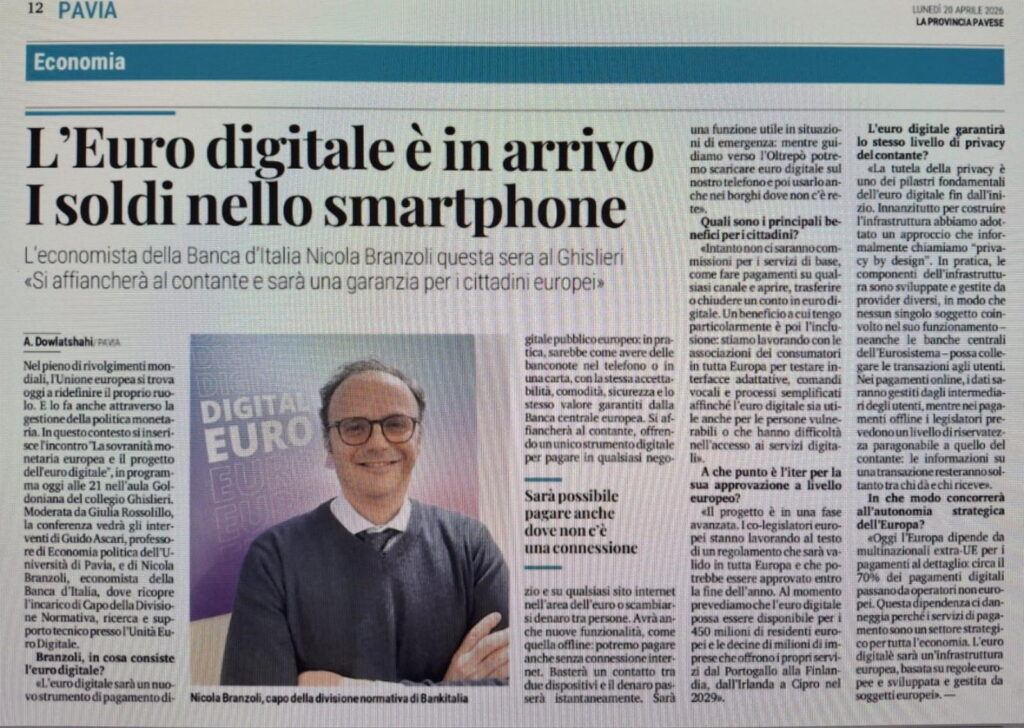
The second meeting, held on 20 April, featured Guido Ascari (University of Pavia) and Nicola Branzoli (Banca d’Italia), focusing on “European Monetary Sovereignty and the Digital Euro.”
The discussion framed the digital euro as a strategic tool for strengthening European autonomy in payments and finance.
Articles based on this event
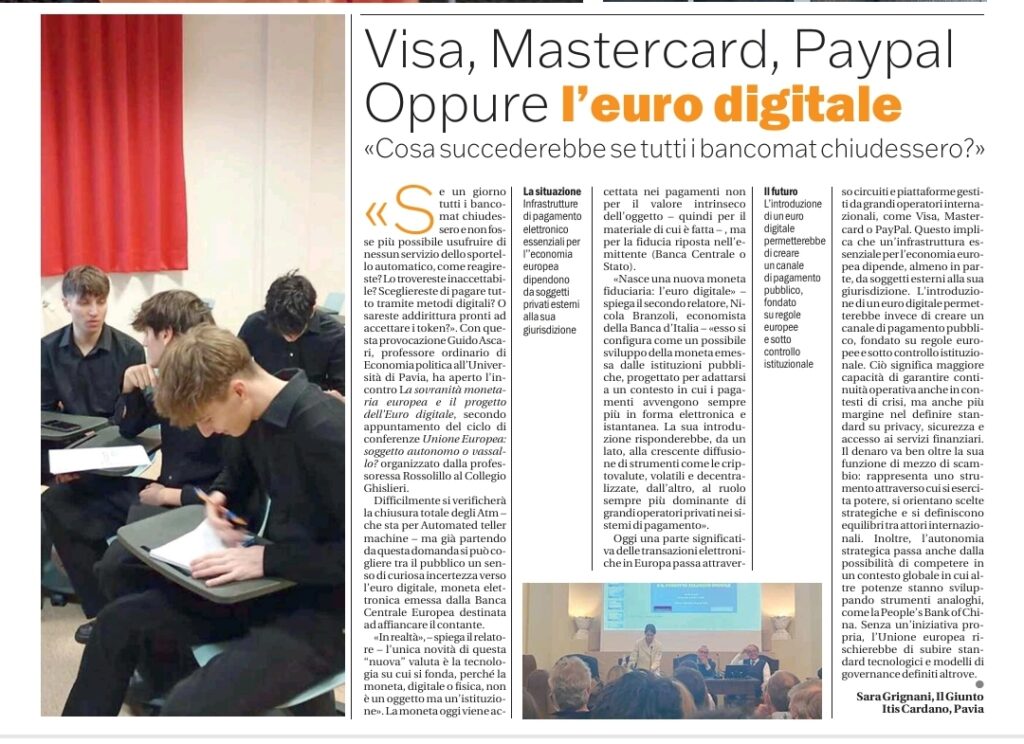
Visa, Mastercard, PayPal Or the Digital Euro “What would happen if all ATMs shut down?”
“What if one day all ATMs shut down and it was no longer possible to use any cash machine service? How would you react? Would you find it unacceptable? Would you choose to pay exclusively with digital methods? Or would you even be ready to accept tokens?” With this provocative question, Guido Asperti, professor of Political Economy at the University of Pavia, opened the meeting European Monetary Sovereignty and the Digital Euro Project, the second event in the conference series European Union: autonomous actor or vassal? organized by Professor Rossillo at Ghislieri College.
A complete shutdown of ATMs — Automated Teller Machines — is unlikely to occur, yet this question already reveals among the audience a sense of curious uncertainty toward the digital euro, an electronic currency issued by the European Central Bank intended to complement cash.
“In reality,” the speaker explained, “the only novelty of this ‘new’ currency is the technology on which it is based, because money, whether digital or physical, is not an object but an institution.” Today, money is accepted in payments not because of the intrinsic value of the object — that is, the material it is made of — but because of the trust placed in the issuer (the Central Bank or the State).
“A new fiduciary currency is emerging: the digital euro,” explained the second speaker, Nicola Branzoli, economist at the Bank of Italy. “It is taking shape as a possible evolution of money issued by public institutions, designed to adapt to a context in which payments are increasingly electronic and instantaneous. Its introduction would respond, on the one hand, to the growing spread of instruments such as cryptocurrencies, which are volatile and decentralized; and on the other hand, to the increasingly dominant role of large private operators in payment systems.”
Today, a significant share of electronic transactions in Europe passes through networks and platforms managed by major international operators such as Visa, Mastercard, or PayPal. This means that an infrastructure essential to the European economy depends, at least in part, on entities outside its jurisdiction. The introduction of a digital euro would instead make it possible to create a public payment channel, based on European rules and under institutional control. This would mean a greater ability to guarantee operational continuity even in times of crisis, as well as more room to define standards concerning privacy, security, and access to financial services.
Money goes far beyond its function as a medium of exchange: it represents a tool through which power is exercised, strategic choices are directed, and balances among international actors are defined. Moreover, strategic autonomy also depends on the ability to compete in a global context where other powers are developing similar instruments, such as the People’s Bank of China. Without its own initiative, the European Union would risk having to accept technological standards and governance models defined elsewhere.
Sara Grignani, Il Giunto ITIS Cardano, Pavia
Third Debate: European Debt and the Future of the Union
The final meeting, scheduled for 28 April, featured Massimo Bordignon (Università Cattolica del Sacro Cuore) and will address “European Debt and the Future of the Union.”
The discussion tackeld one of the most politically sensitive issues for European integration:
“Common debt is not only an economic instrument — it is a step toward political union.”
Conclusion
Across all three debates, a clear message emerged: European autonomy requires deeper integration and stronger coordination.
“The question is no longer whether Europe should act together, but whether it can afford not to.”
The cycle highlighted how technological, monetary, and fiscal sovereignty are interconnected dimensions of a broader political challenge.
Ultimately, the initiative reaffirmed a core federalist insight:
“Without unity, Europe risks remaining a global vassal rather than becoming a true autonomous actor.”
Analysis, Contributions, Social Media and Debates
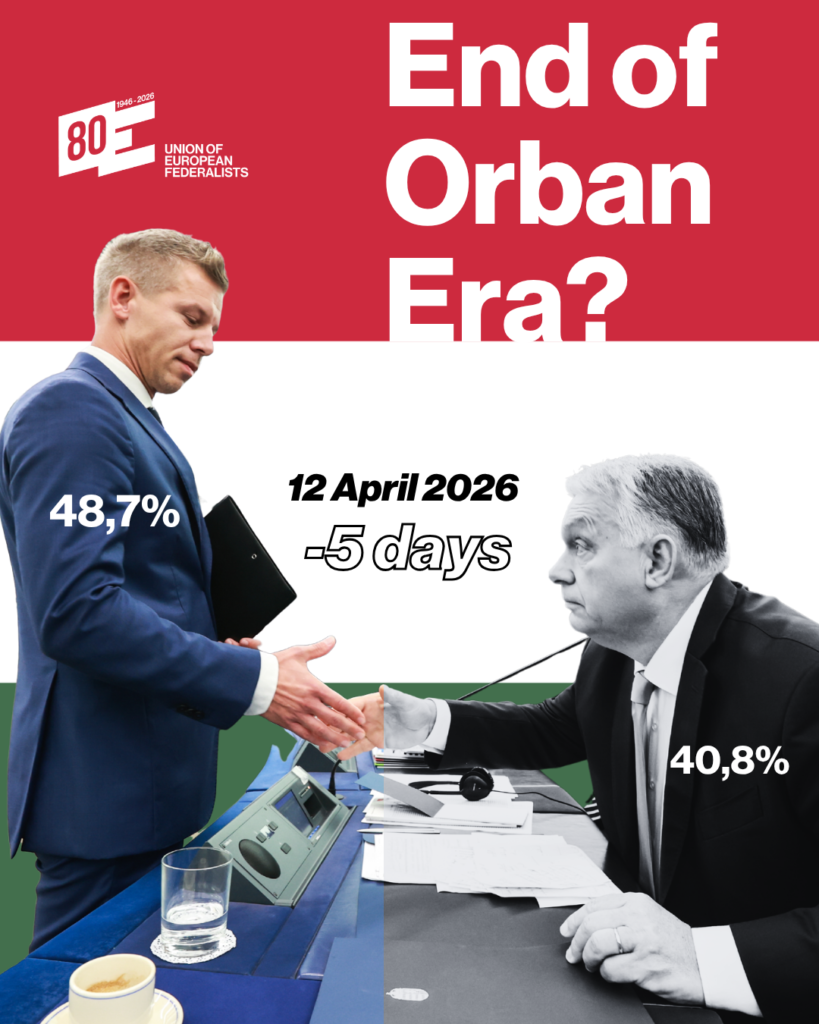
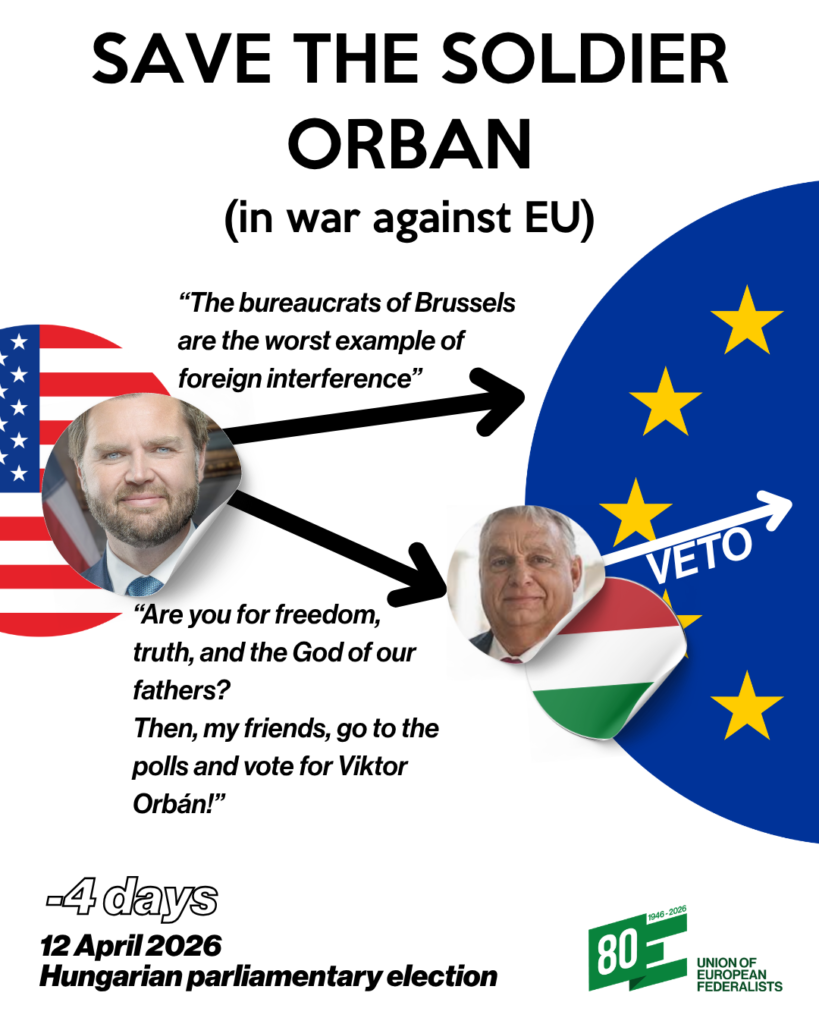
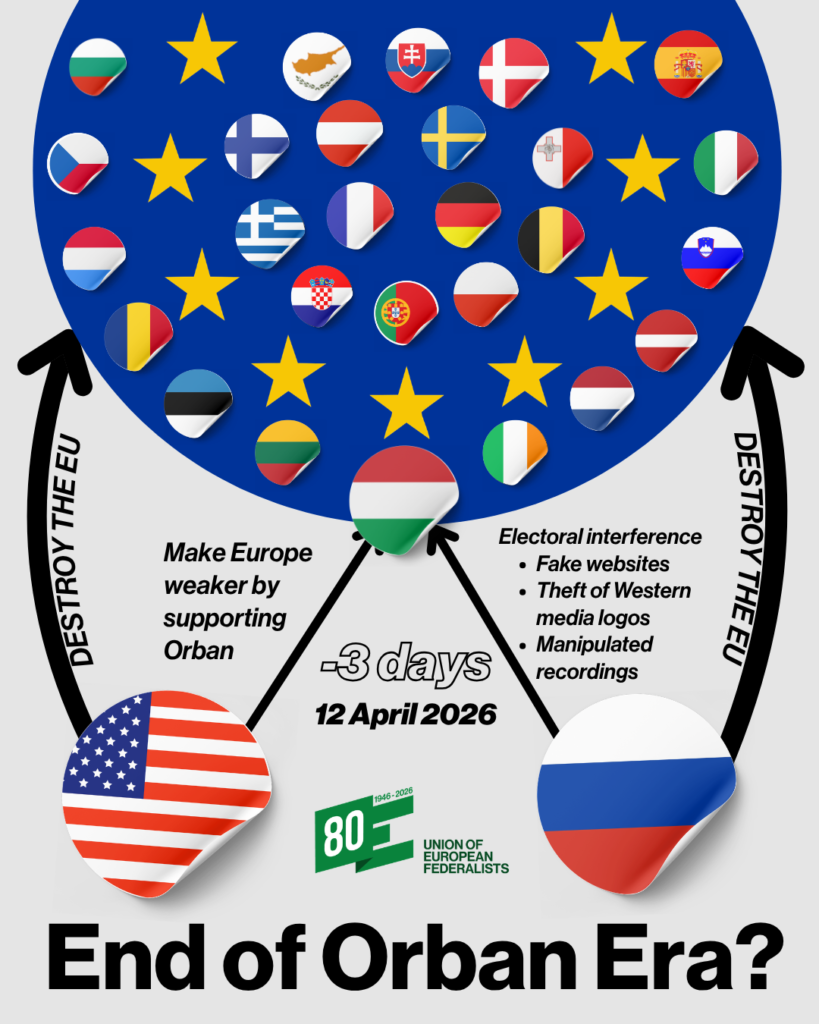
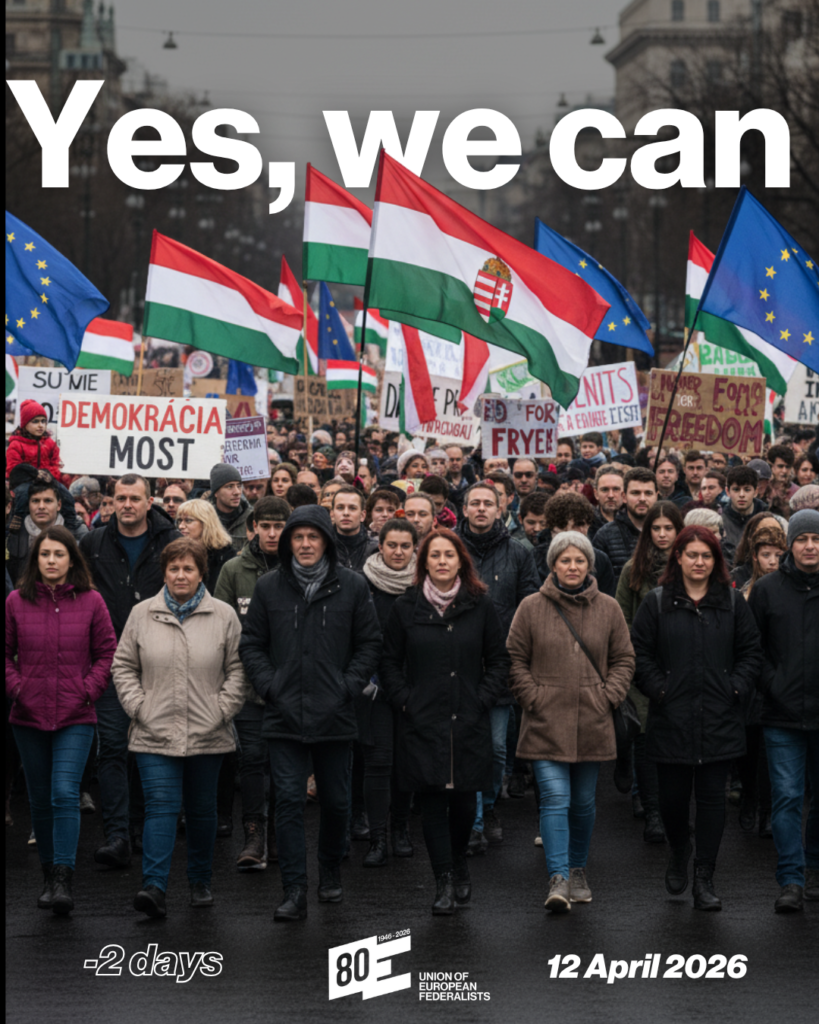
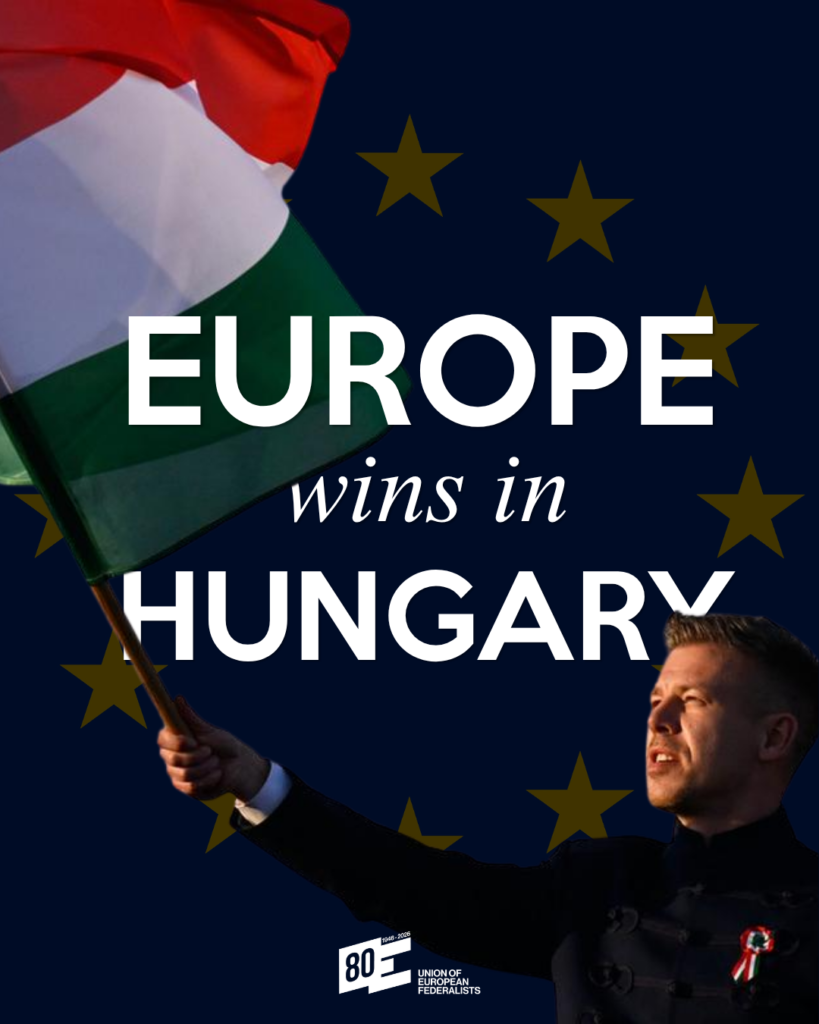
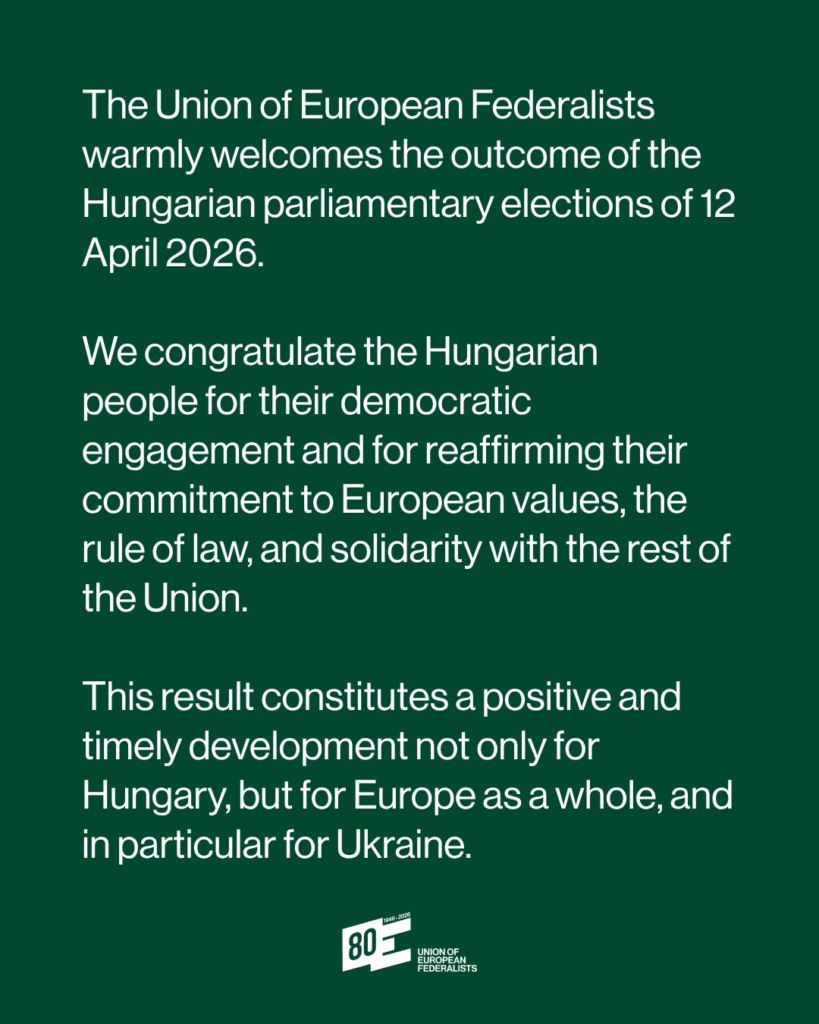
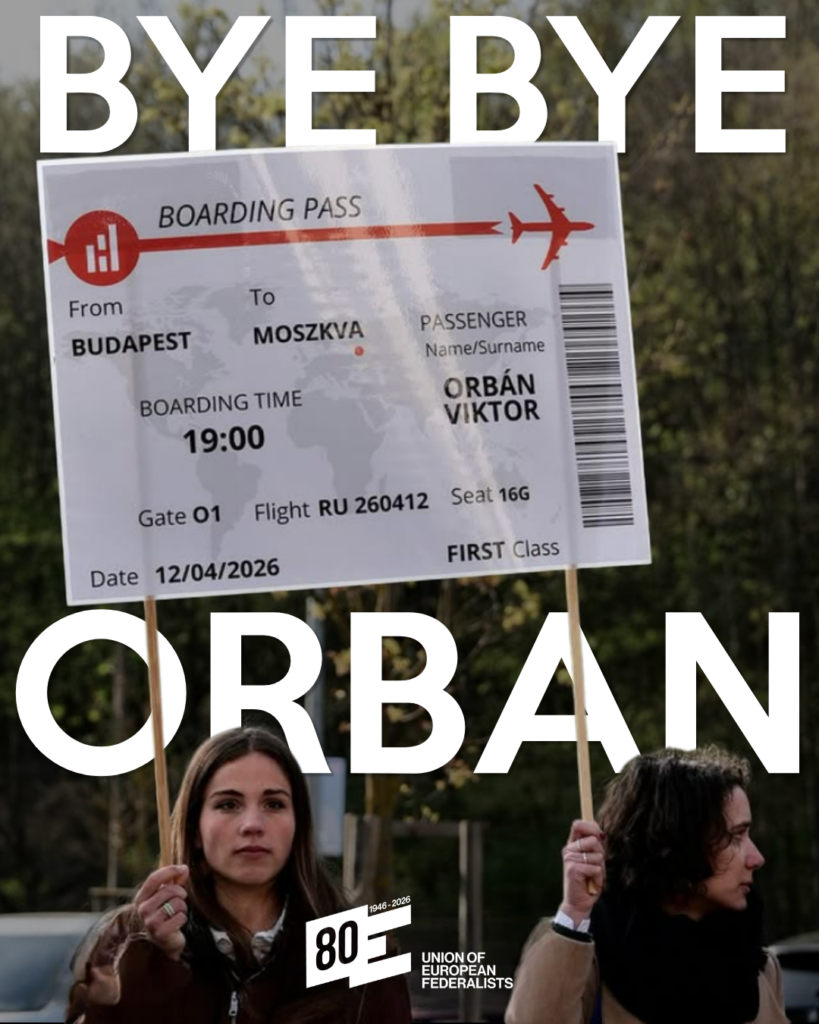
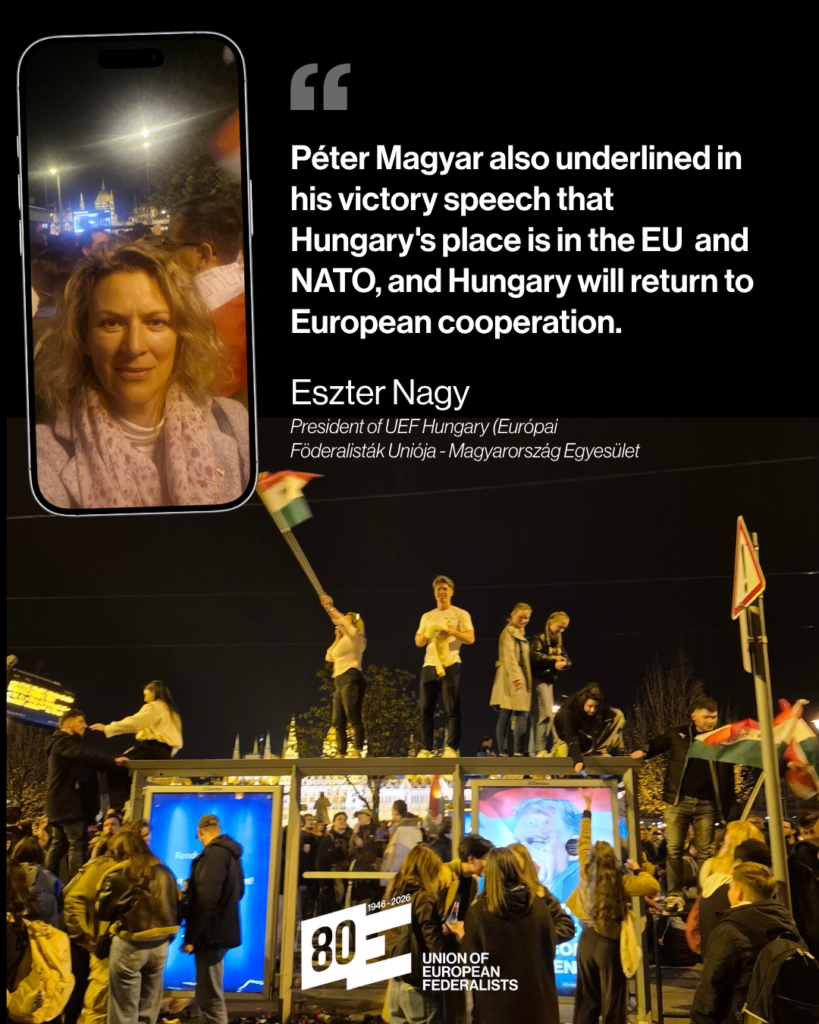
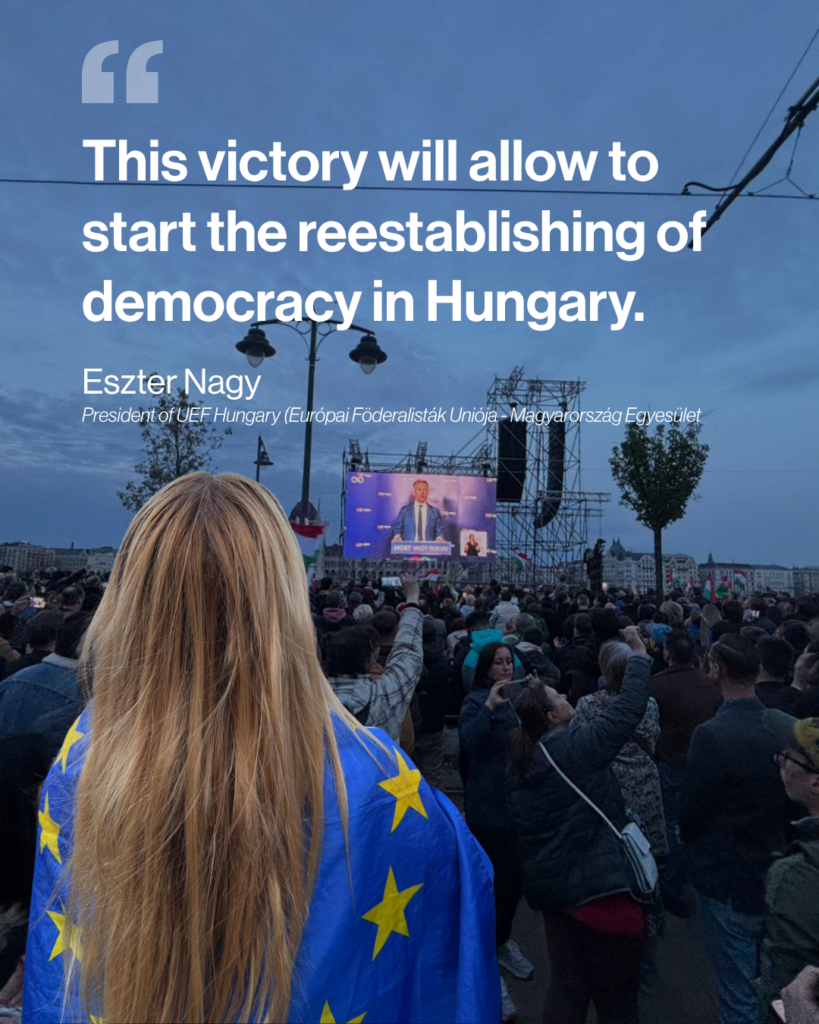
Here below the collections of publications and interventions made by actors of our federalist movement around the Hungarian elections.
France
Read here three articles written by Charles Nonne, spokesperson of the French section of the UEF, political analyst and former press correspondent for Le Courrier des Balkans, and published in French newspapers La Croix, La Tribune and Le Taurillon.
La Croix, entitled "Hongrie : "La défaite d'Orban serait un moment aussi historique de la rupture du rideau de fer"" : LINK HERE
La Tribune, entitled "OPINION. « Législatives en Hongrie : l’heure de vérité pour la démocratie européenne »" : LINK HERE
Le Taurillon, entitled "Les élections hongroises de 2026 sont l'heure de vérité pour la démocratie en Europe" : LINK HERE
Italy
Watch here the intervention of UEF EB Member and MFE Secretary-General Roberto Castaldi in the Italian Program Omnibus/La7 (12 April 2026).
Have participated the Vice-Secretary of State of Hungary, Marton Ugrosdy, Fabrizio Agnocchetti, Expert on Hungary, Il Domani journalist, Francesca De Benedetti. Watch HERE
Read here the Newsletter of the Movimento Europeo Italia dedicated to the elections in Hungary:
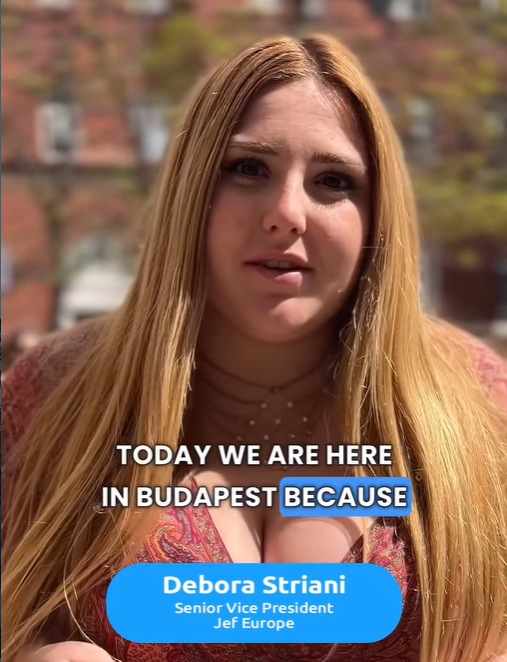
Here are some of the best Reels posted by UEF Hungary, including those created in collaboration with other national and local branches, other organisations (Pulse of Europe) and Jef Europe.
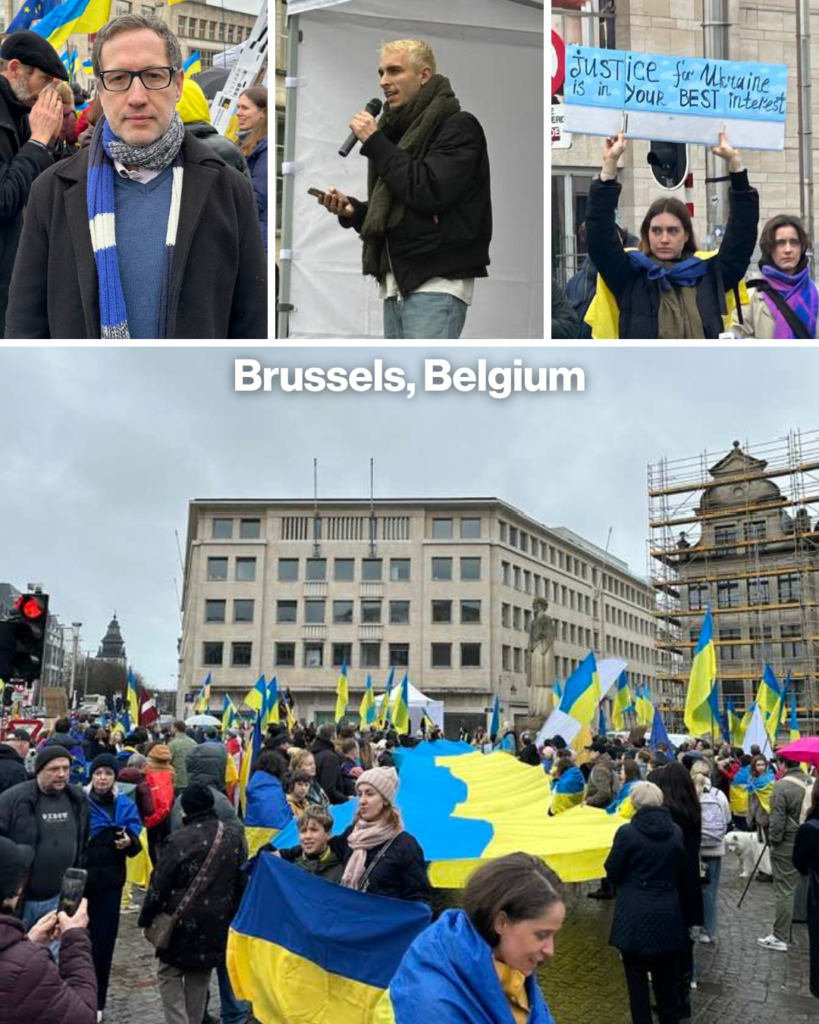
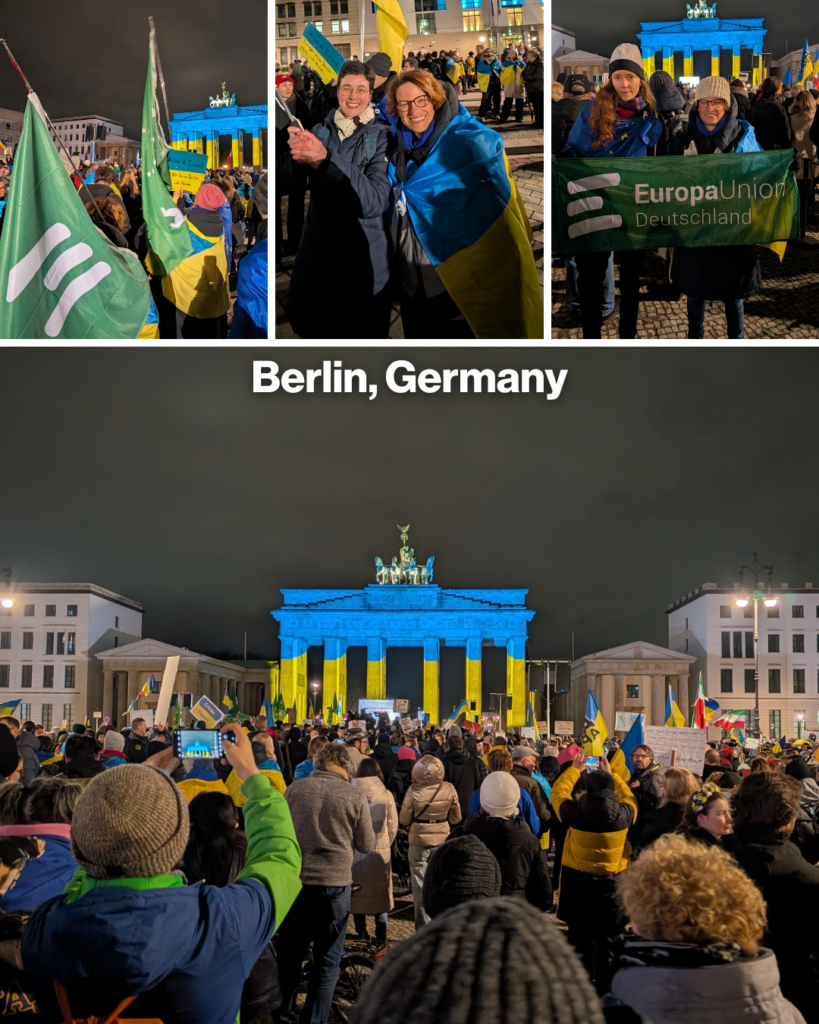
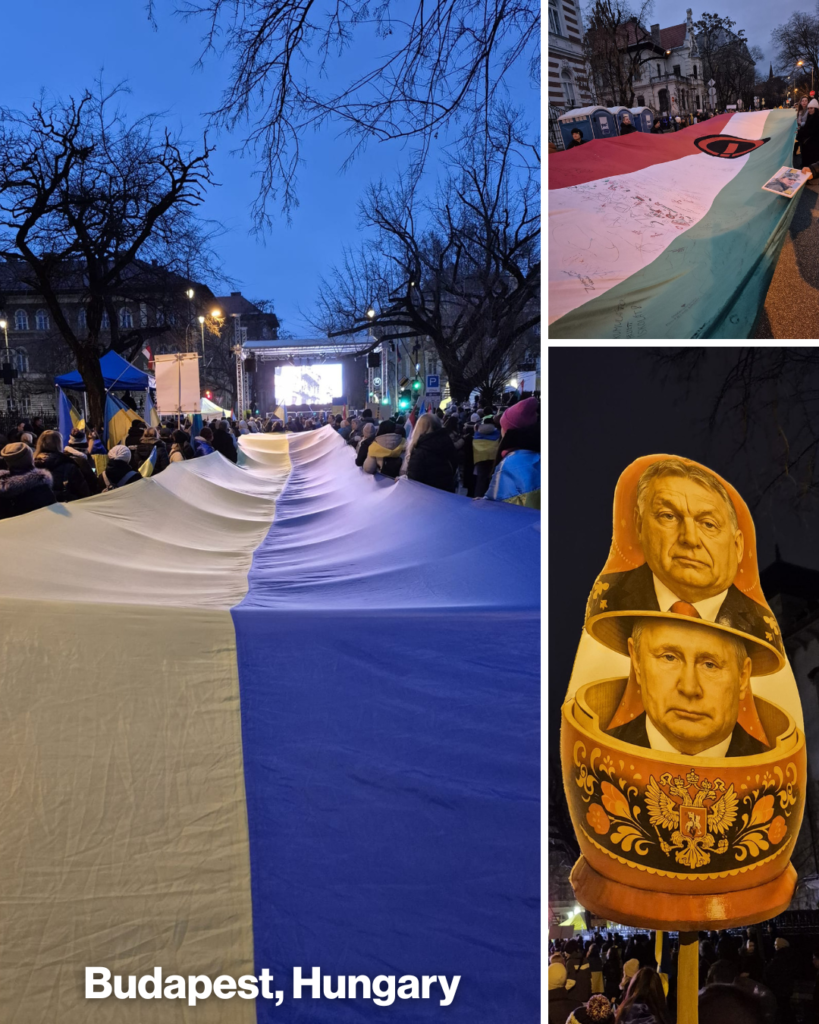
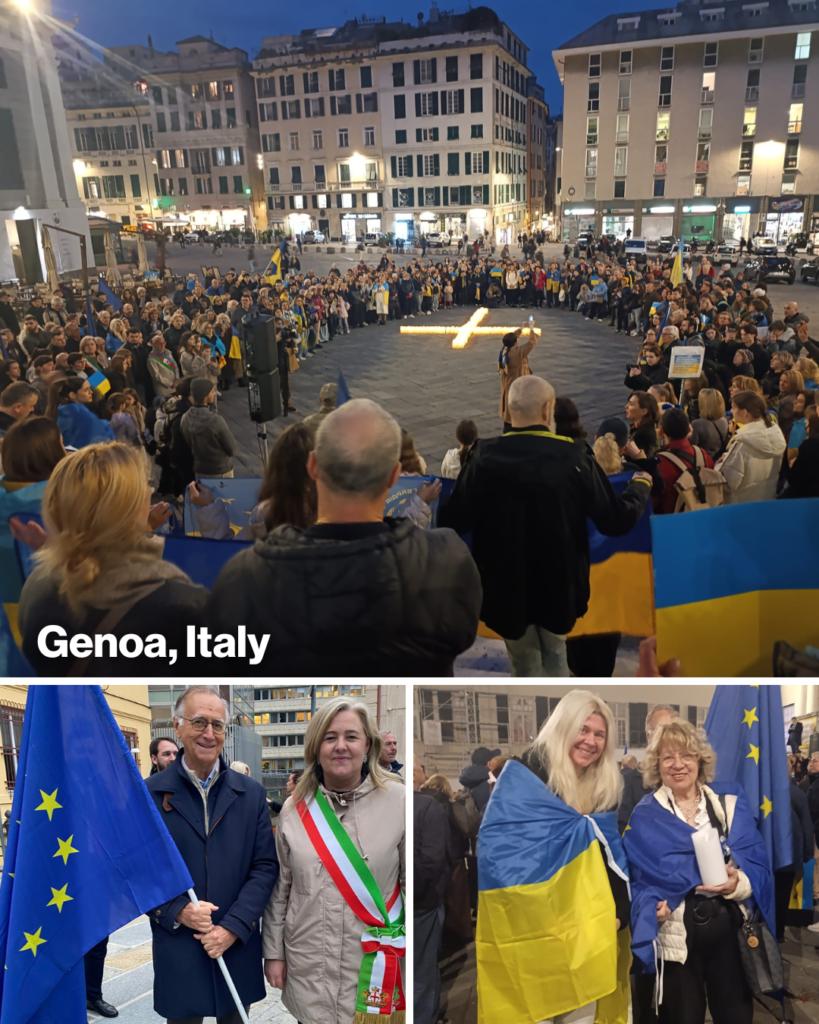
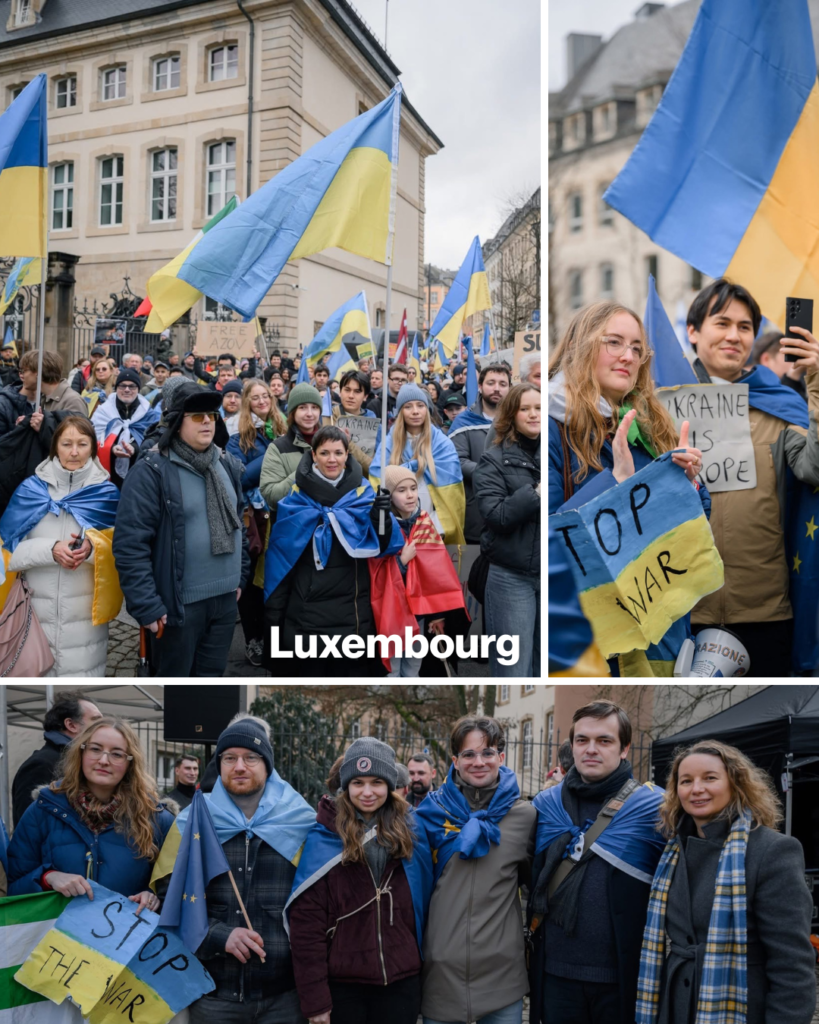
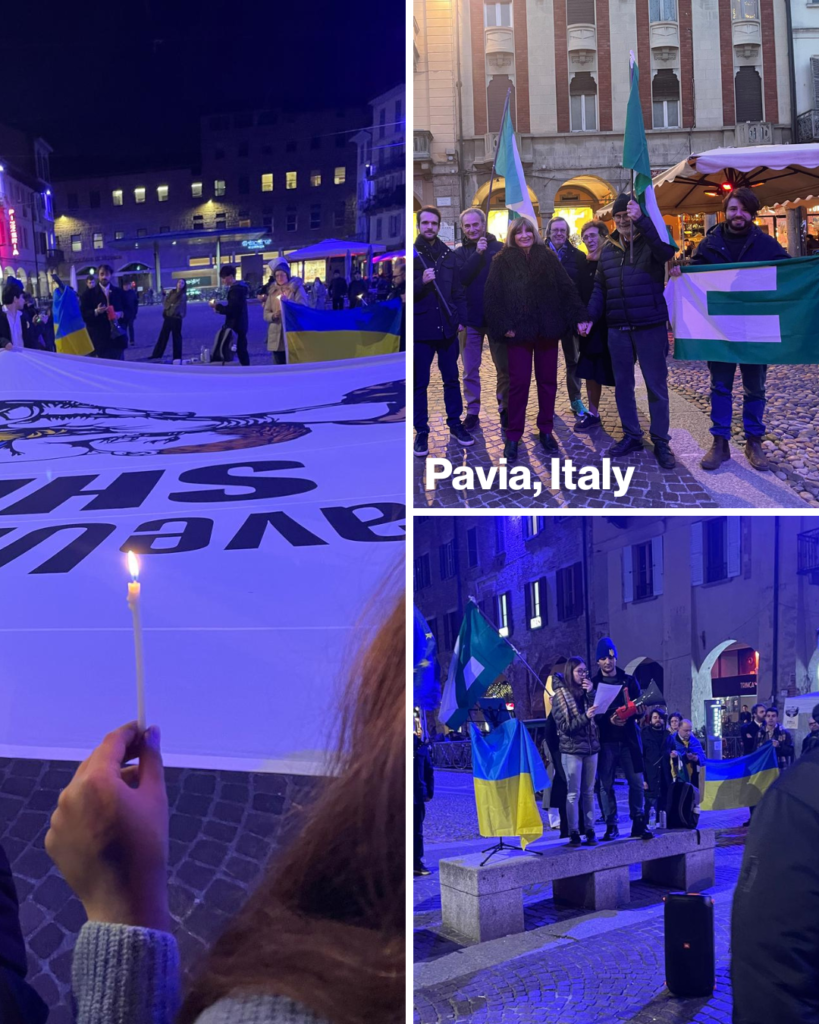
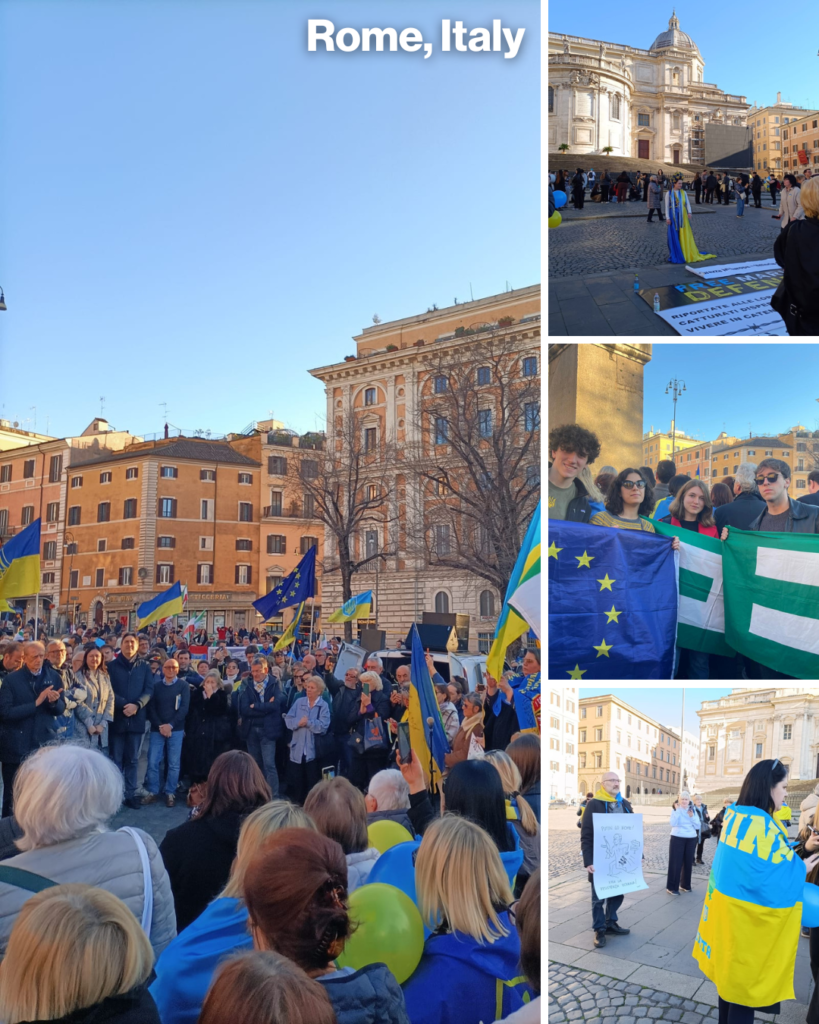
In the fourth year since Russia’s full-scale invasion of Ukraine, European Federalists took to the streets in 17 cities across Europe to send one clear message: Ukraine is not alone.
From Berlin to Vienna, from Brussels to Rome — and in Bremen, Paris, Strasbourg, Luxembourg, Munich, Lyon, Bucharest, Budapest, Florence, Genoa, Verona, Vicenza and Pavia — our movement showed up, united and determined.
One shared commitment: Ukraine’s future belongs in the heart of Europe.
For freedom. For peace. For a stronger, more united Europe.
European voices call on the EU to act with autonomy amid transatlantic rupture
The Union of European Federalists (UEF) welcomes the publication of its Appeal for Real Strategic Sovereignty, relaunched by the Action Committee for the United States of Europe, on the opinion pages of two major European newspapers: La Repubblica in Italy and El País in Spain.
This landmark appeal, initially addressed to the EU Council and President António Costa, has been signed by prominent European figures — including Josep Borrell, Robert Menasse and Guy Verhofstadt — alongside over forty leading voices from European public life. It calls for a decisive shift in the European Union’s strategic orientation in response to the deepening rupture of the traditional transatlantic relationship under the current U.S. administration.
From trade friction to structural rupture
The appeal highlights a dramatic change in transatlantic relations: what were once isolated disputes have now evolved into systematic policies that challenge Europe’s autonomy. It refers to unilateral U.S. measures — from arbitrary tariffs to diplomatic coercion — and to strategic shifts that signal a departure from mutual alignment and sustained partnership.
In this context, the appeal argues that EU strategic dependence on external actors is no longer sustainable. Europe must assert its sovereignty, not as a retreat from cooperation, but as a necessary foundation for a stable and balanced international order where the Union can defend its interests independently.
Key demands of the appeal
Among the central points of the appeal: • The European Union must adopt real strategic sovereignty, strengthening its capacity to act autonomously in foreign policy, security and defence. • The appeal calls on EU institutions to activate robust countermeasures against discriminatory external coercion, including the full implementation of anti-coercion instruments and economic safeguards. • It urges a profound re-thinking of the security model, moving away from external dependency and towards shared European strategic capabilities.
This public appeal is being disseminated at a time when even EU officials acknowledge the structural shift in Europe’s geopolitical centre of gravity away from Washington, underscoring the urgency of greater European self-reliance.
A milestone for federalist advocacy
The publication of the appeal in La Repubblica and El País marks a significant milestone for the Action Committee for the United States of Europe, amplifying the call for a more strategic, sovereign and democratic Europe in two leading national forums of public debate. It reflects growing concern across European societies about the future of the transatlantic bond and the imperative for the EU to build its own political and defence capacities.
On 11 November, the Movimento Federalista Europeo (MFE - UEF Italy) awarded President Mario Draghi an honorary membership card at a conference in memory of Prof. Raimondo Cagiano de Azevedo, entitled 'Federalism for peace, democracy and equality', held in Rome at the Primoli Foundation. The conference, organised by the Primoli Foundation together with the European Federalist Movement, was also an opportunity for President Draghi to remember a friend from their days together at the Massimiliano Massimo Institute and to receive from the MFE - of which Prof. Raimondo Cagiano had been an active member and influential leader since the 1960s - in recognition of his decisive contribution at particularly significant moments in national and European political life.
The Movimento Federalista Europeo (MFE), in thanking President Draghi for accepting the honorary membership card of the MFE, recalls here the reasons that accompanied the award:
For having determined, with courage and utmost responsibility, the rescue of the euro in the management of the most dramatic crisis of our single currency, preventing its degeneration and thus saving the European Union from the real risk of disintegration;
For accepting the responsibility of taking charge of Italy's fate at a difficult and dramatic moment, succeeding in affirming the centrality of our country's European destiny and placing it with determination at the forefront, in Europe and in relations with the American administration, of the choice of sides at the time of Russia's aggression against Ukraine;
For the inestimable value of the EU Competitiveness Report he edited, which has become the benchmark for reflection on the future of our continent; a report that captures the ills brought to the European Union by its political fragmentation and that concretely calls for the urgent need to overcome the current European structure in order to make Europe capable of facing the challenges of our time, halting the decline to which division condemns it;
For the lucid determination with which he reminds governments that Europe must urgently act as a state and that, to this end, it must 'become a state'; and with which he urges them towards federalism, highlighting the concrete steps they could (and should) take if only they could muster the necessary political will, thus proving themselves equal to the responsibilities that the times demand of them towards their citizens;
For his ability to always place at the centre of his interventions, at a time when the founding values of our civilisation are being challenged and risk being erased, the call for Europeans to equip themselves with the appropriate tools to safeguard the freedom, democratic life and social cohesion of our continent,
the Movimento Federalista Europeo, with gratitude, awards President Mario Draghi honorary membership.
Pavia, 13 November 2025
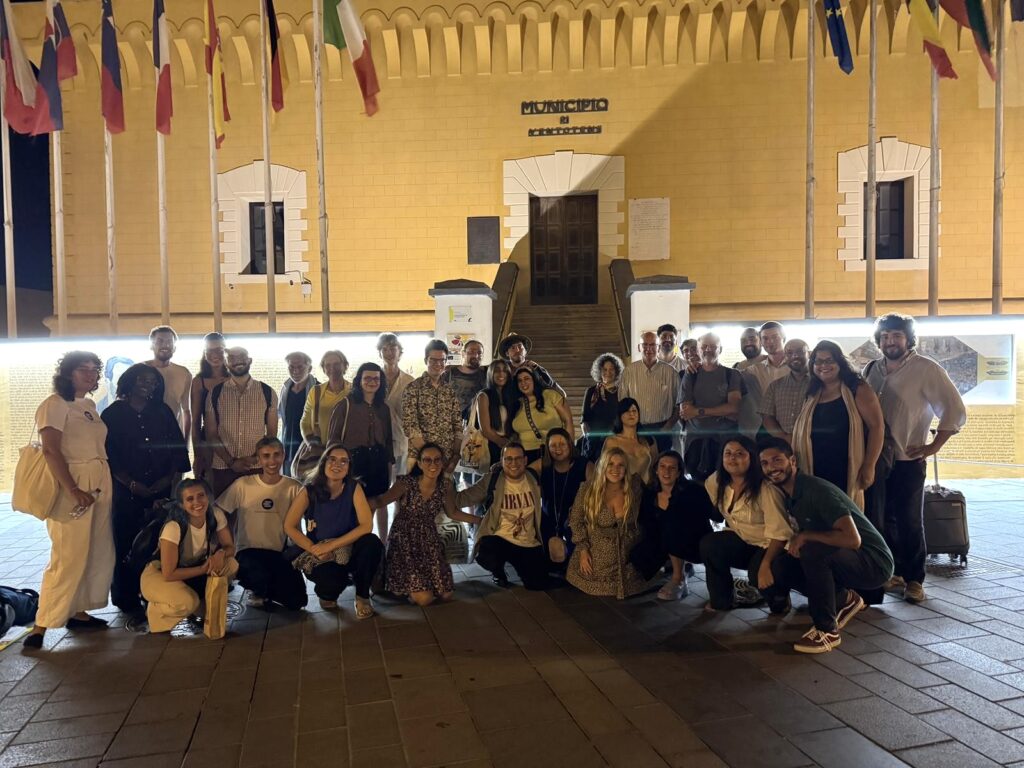
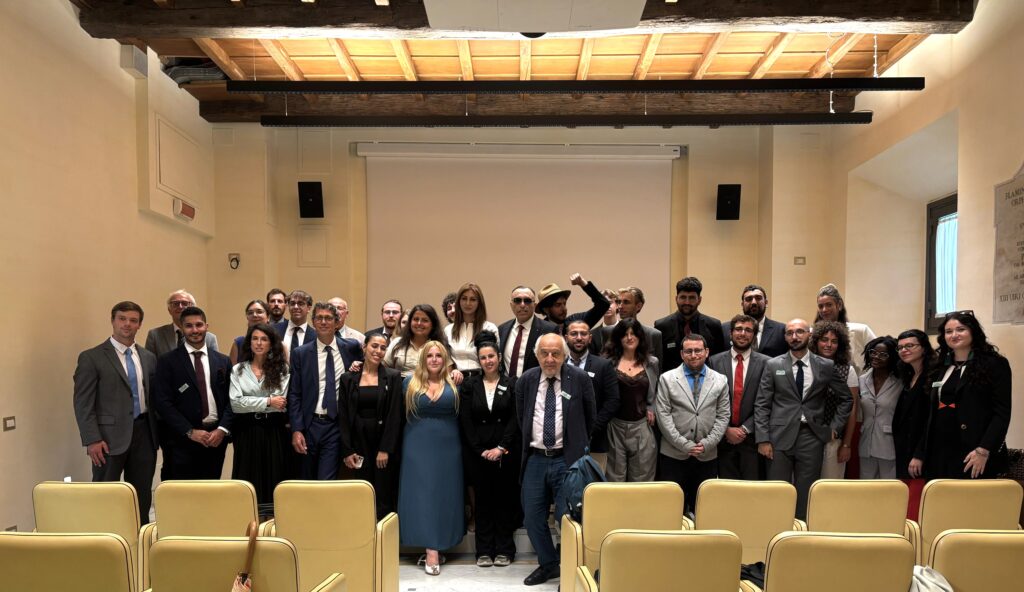
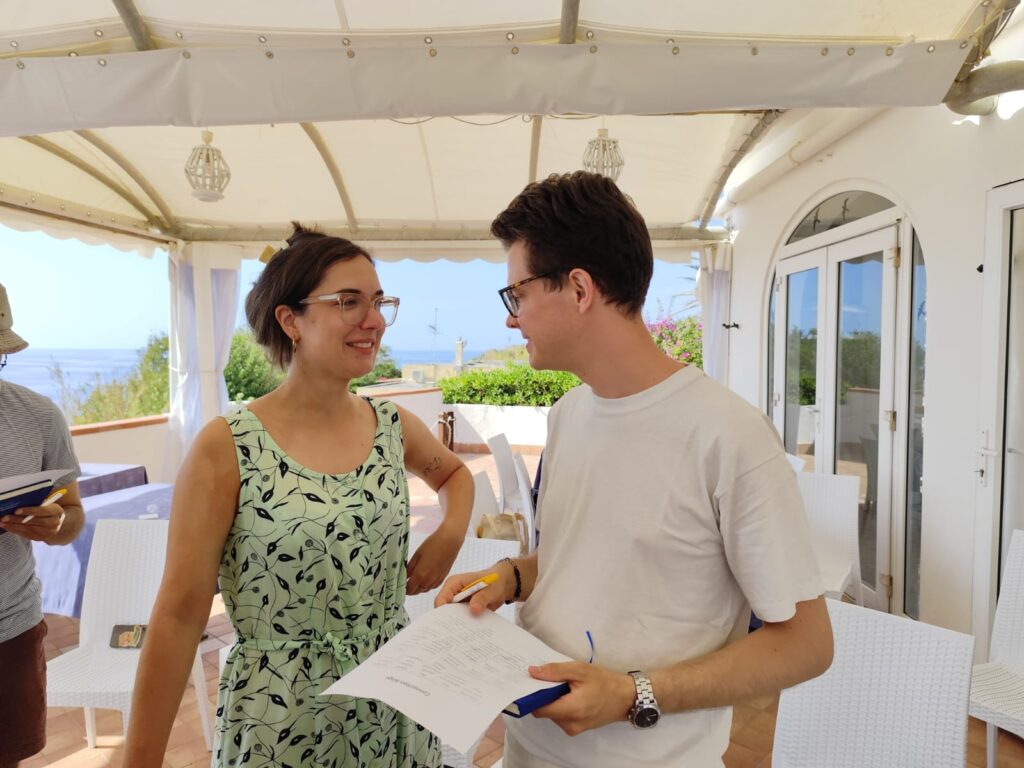
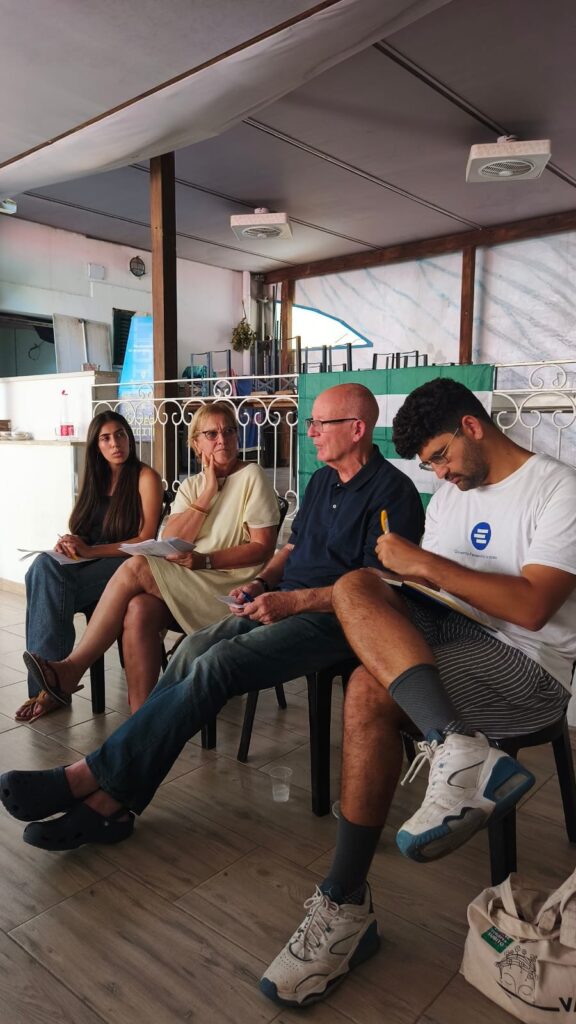
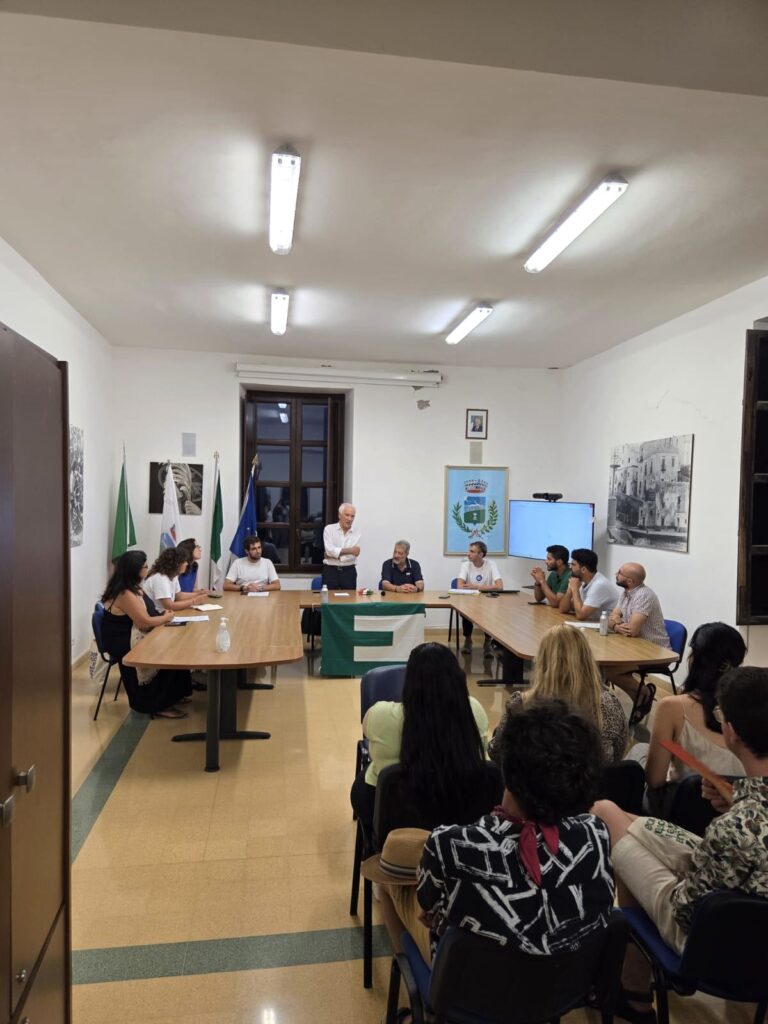
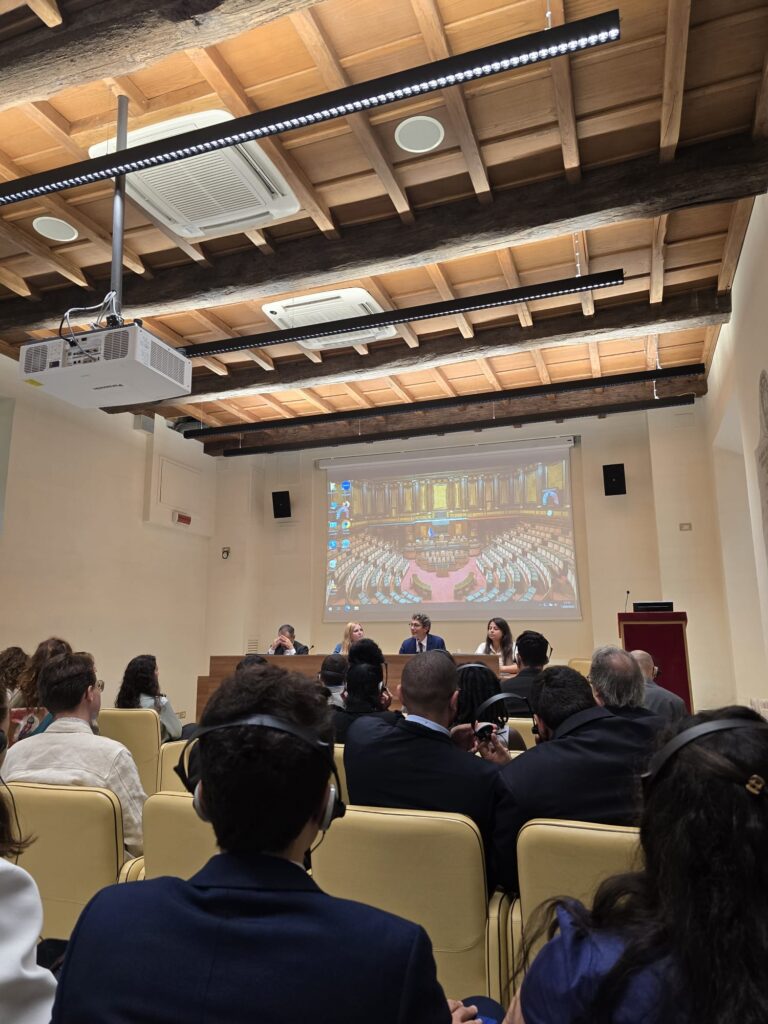
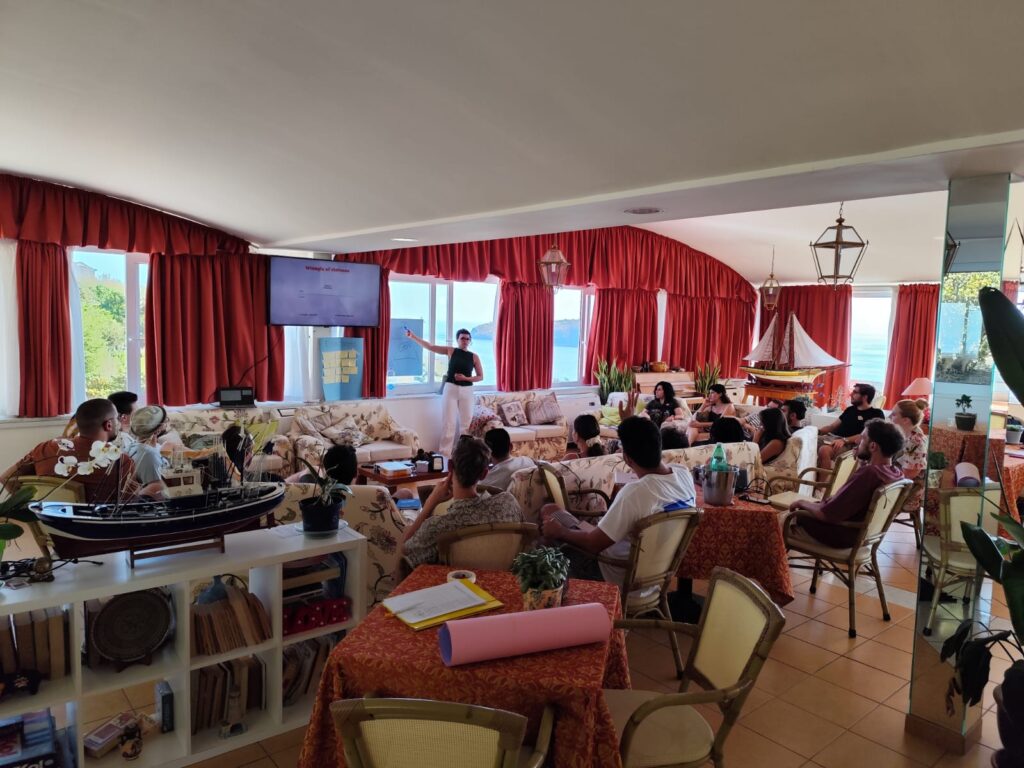
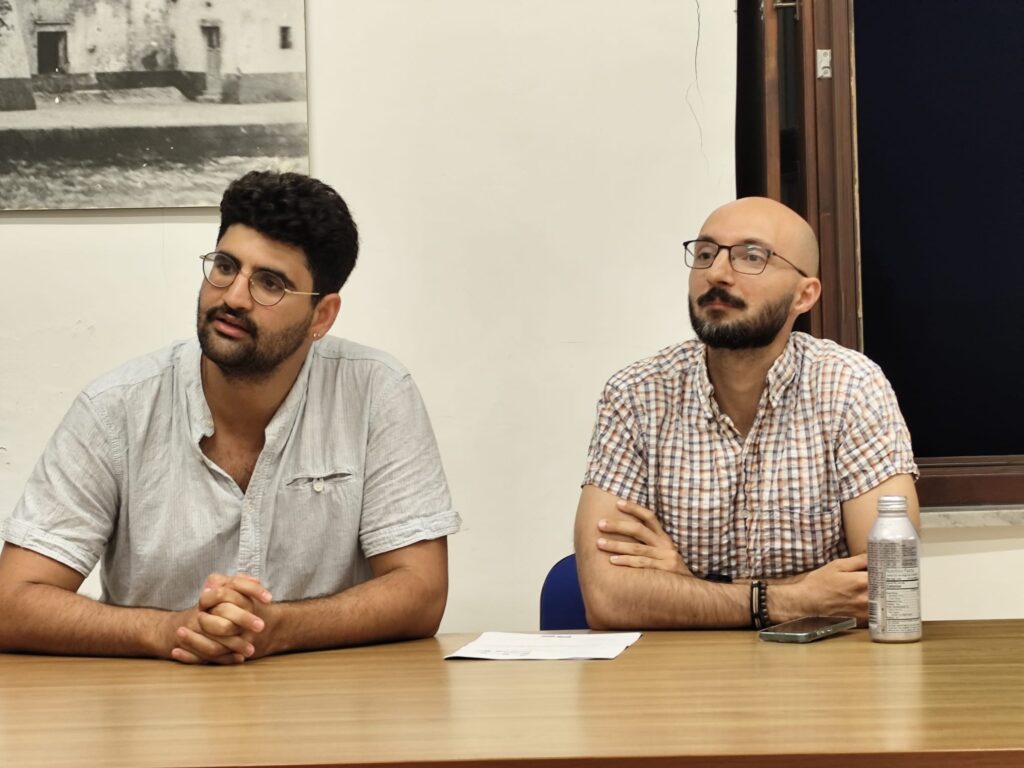
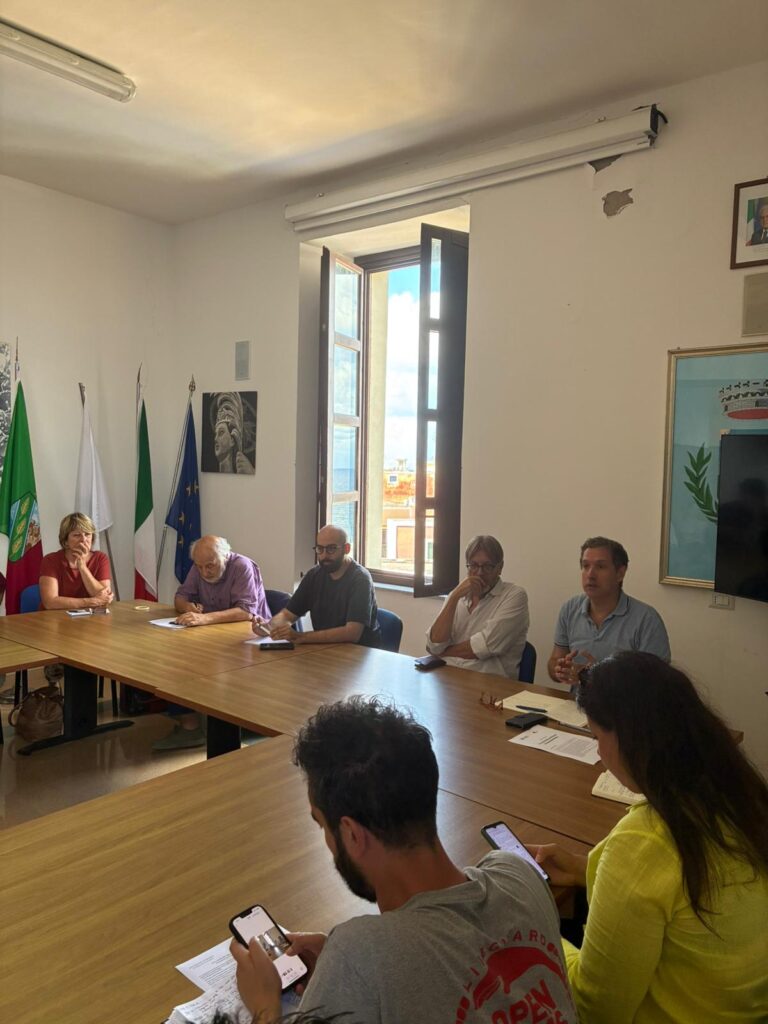
The opening took place on September 7 with a round table at the Ventotene Town Hall, attended by Mayor Carmine Caputo and representatives of the organizations: Nikos Chircop (JEF Europe), Sara Bertolli (GFE), Melanie Thut (JEF Germany), Antonio Argenziano (UEF), Dora Bender (Challenge), Younes Ahmed (DFH Palestine), and Dvir Aviam Ezra (DFH Israel). The meeting, moderated by Moritz Hergl, was enriched by a video message from Tobias Flessenkemper, Director of the Youth Department of the Council of Europe.
In his speech, Caputo reiterated the value of the initiative for the island as a place not only of memory but also of building dialogue and peace. This message was echoed by the other speakers, who stressed the enduring relevance of the Ventotene Manifesto as a beacon of hope born during one of the darkest periods in human history, and now renewed by young people from Europe, Israel, and Palestine.
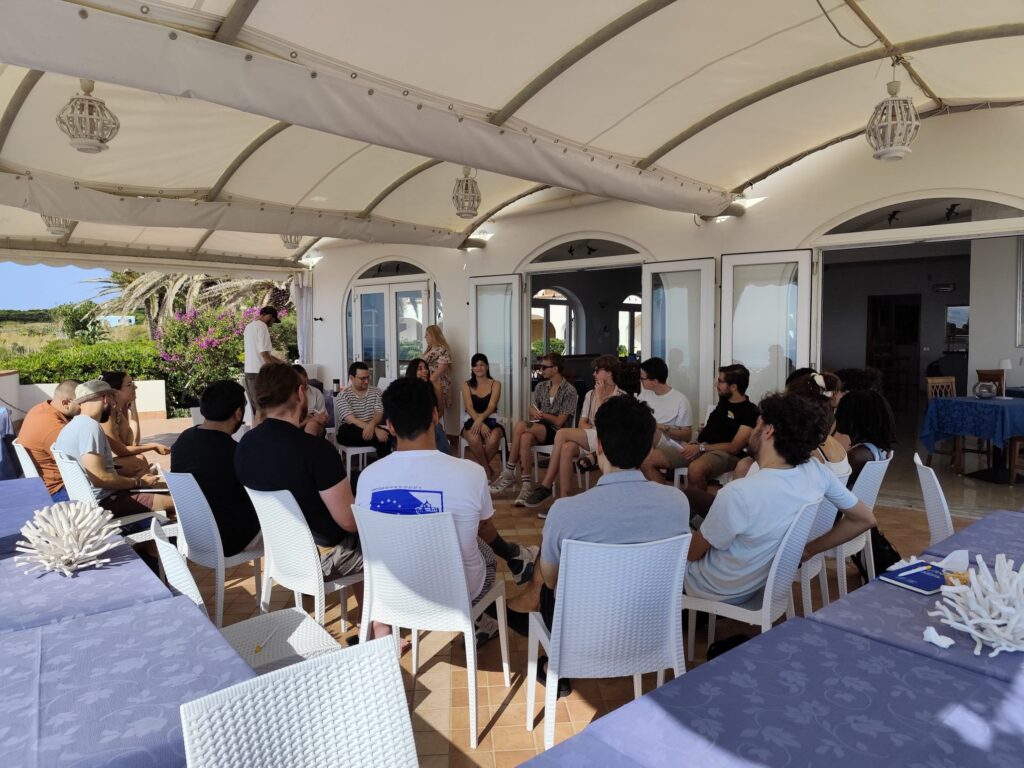
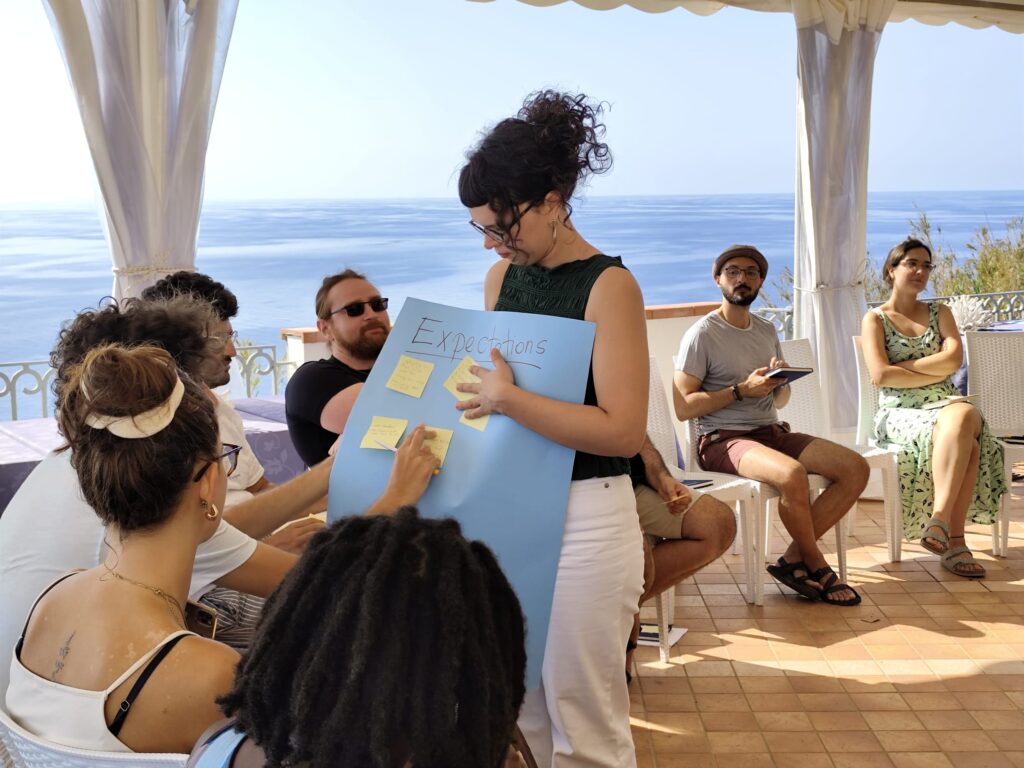
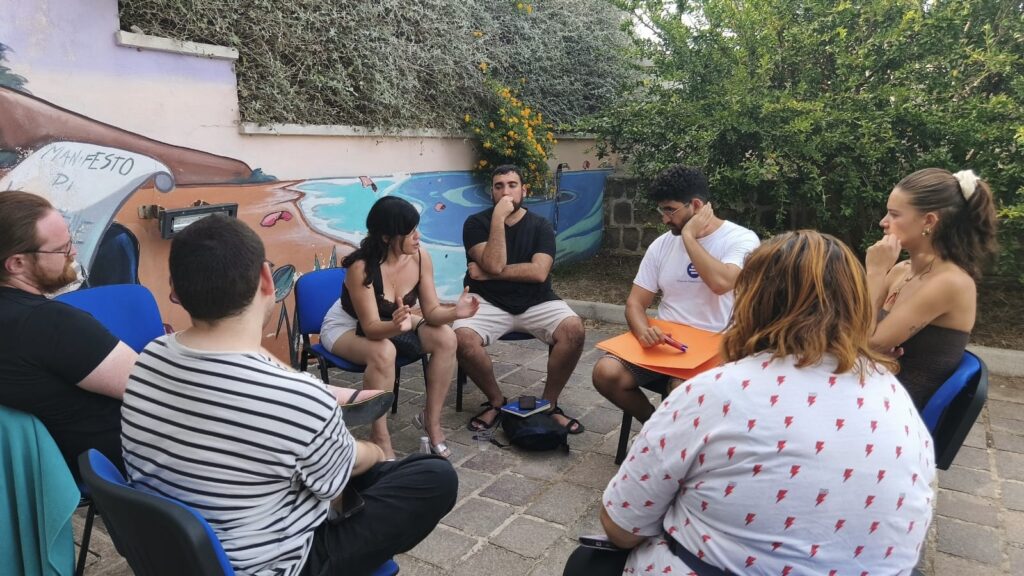
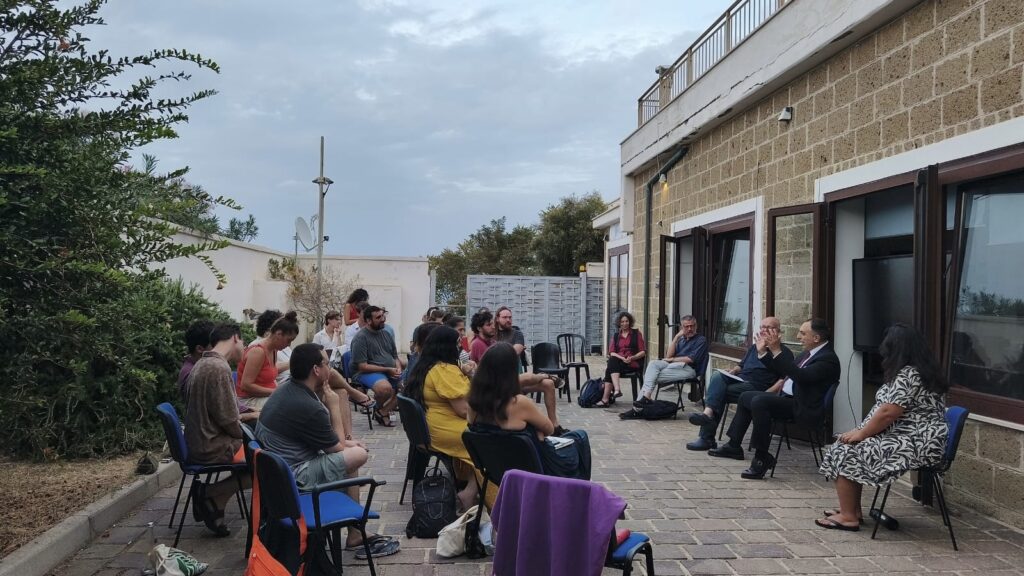
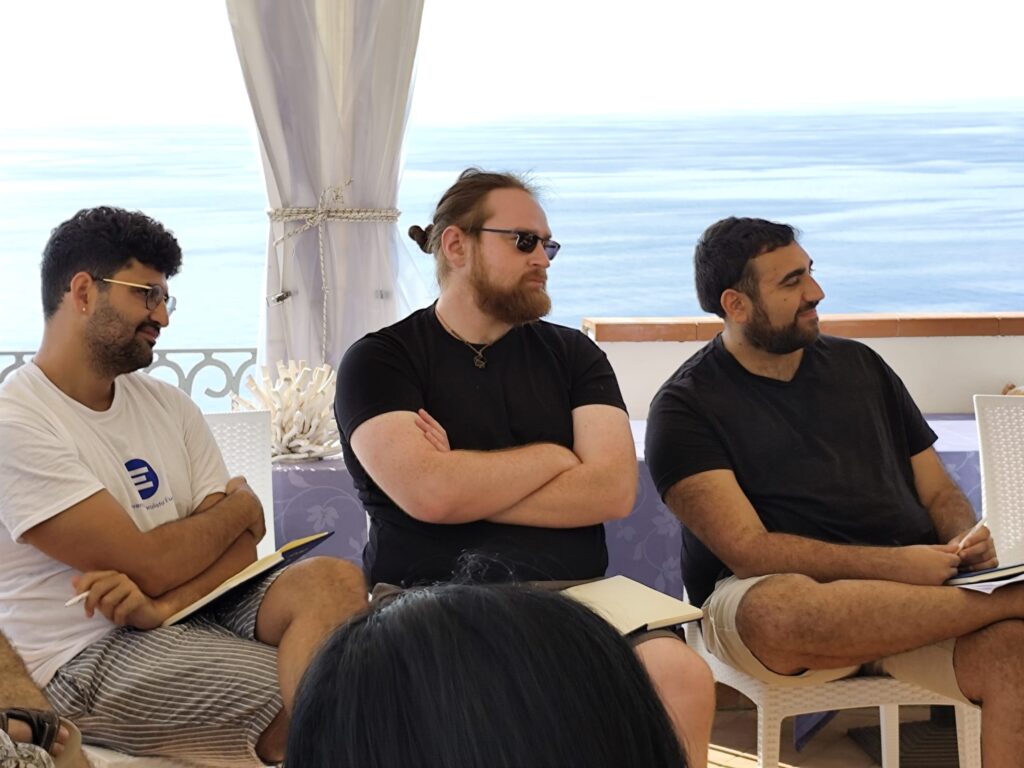
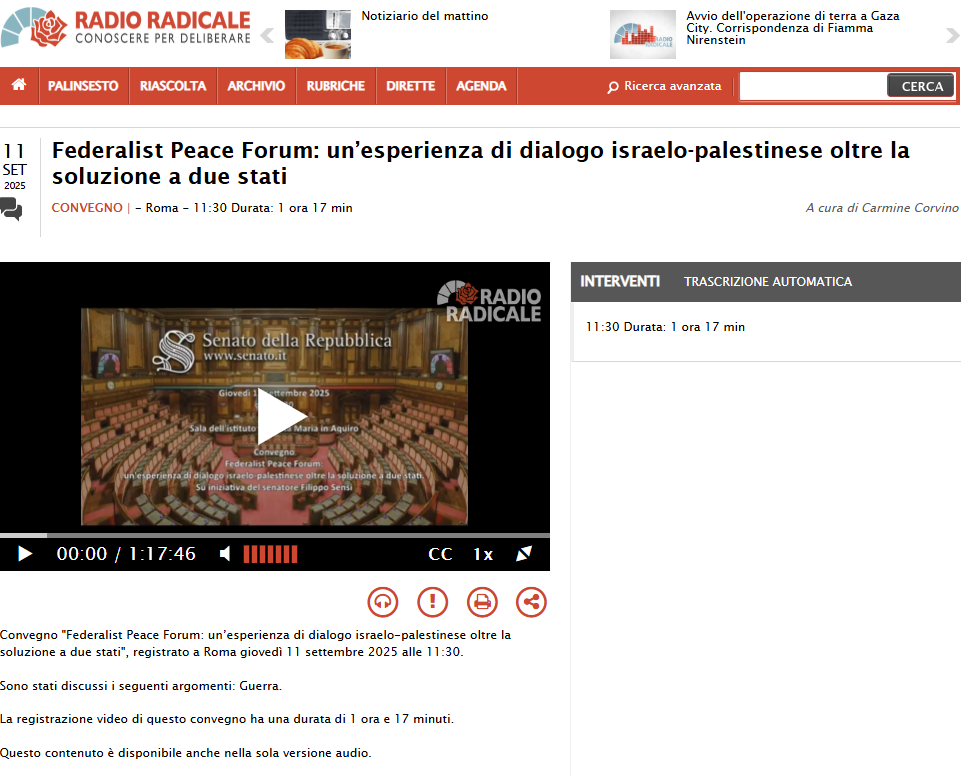
About thirty activists from Israel, Palestine, and various European countries are taking part in the Forum. Through workshops and shared training sessions, they explore federalism as an innovative framework to overcome divisions, strengthen dialogue, and propose lasting solutions to contemporary conflicts.
The aim is to create stable networks, promote intercultural understanding, and provide useful tools to be applied in their community and professional contexts, with a particular focus on the Middle East, but within a vision of global cooperation.
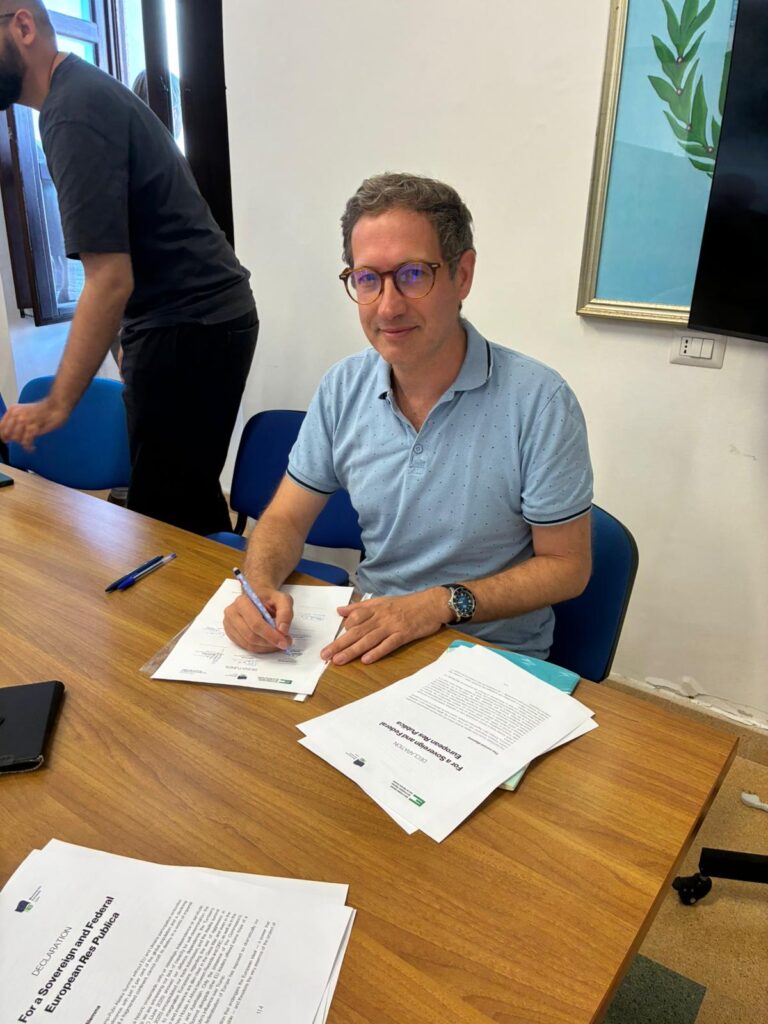
For a Sovereign and Federal European Res Publica Declaration launched by UEF and CIME in Ventotene signed by Guy Verhofstadt and endorsed by Josep Borrell
The Trump-Putin Alaska Summit, without Europe or Ukraine, exposes a harsh truth: a fragmented Europe is sidelined in a world of empires. From NATO’s defence dependence to trade submission at Turnberry (August 2025), and from Ukraine’s marginalisation to peace deals brokered in the White House, Europe’s impotence is on full display.
The threats are clear: an unreliable, “caesarist” America imposes its will, while Russia and China exploit our divisions, undermining democracy and international law.
Trump’s capitulation to Putin on Ukraine demands a European response. Without our own defence, diplomacy, and intelligence, we risk surrendering our sovereignty. The time has come to replace “vetocracy” with a democratic, federal Europe: one strong enough to stand among the world’s powers.
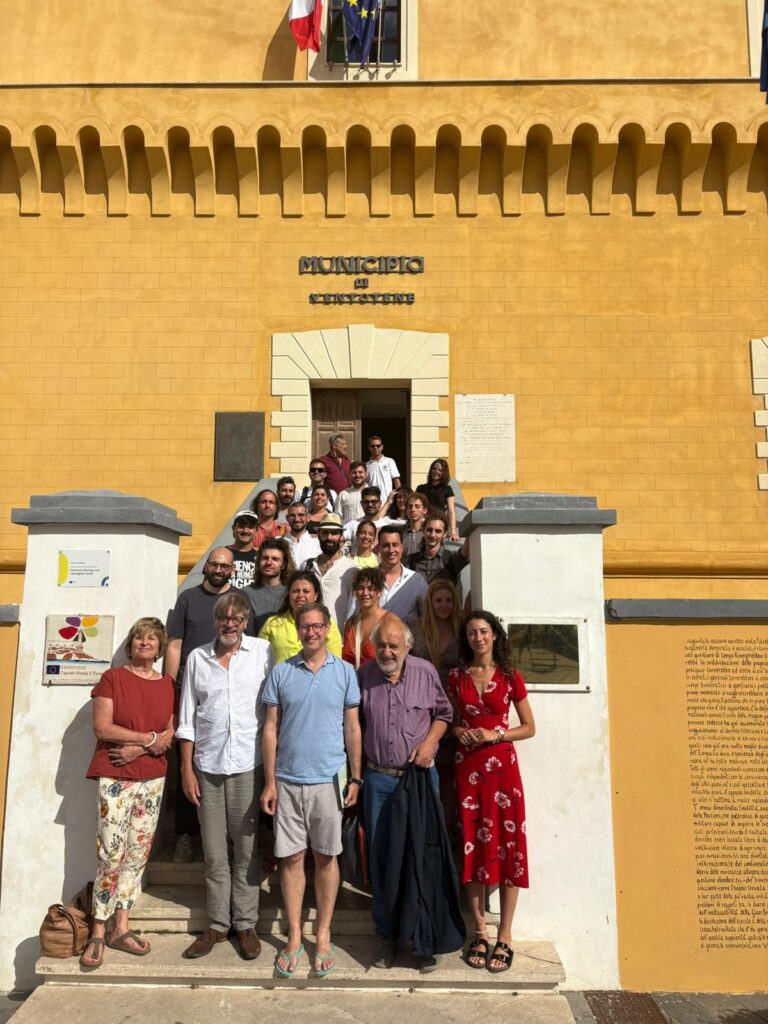
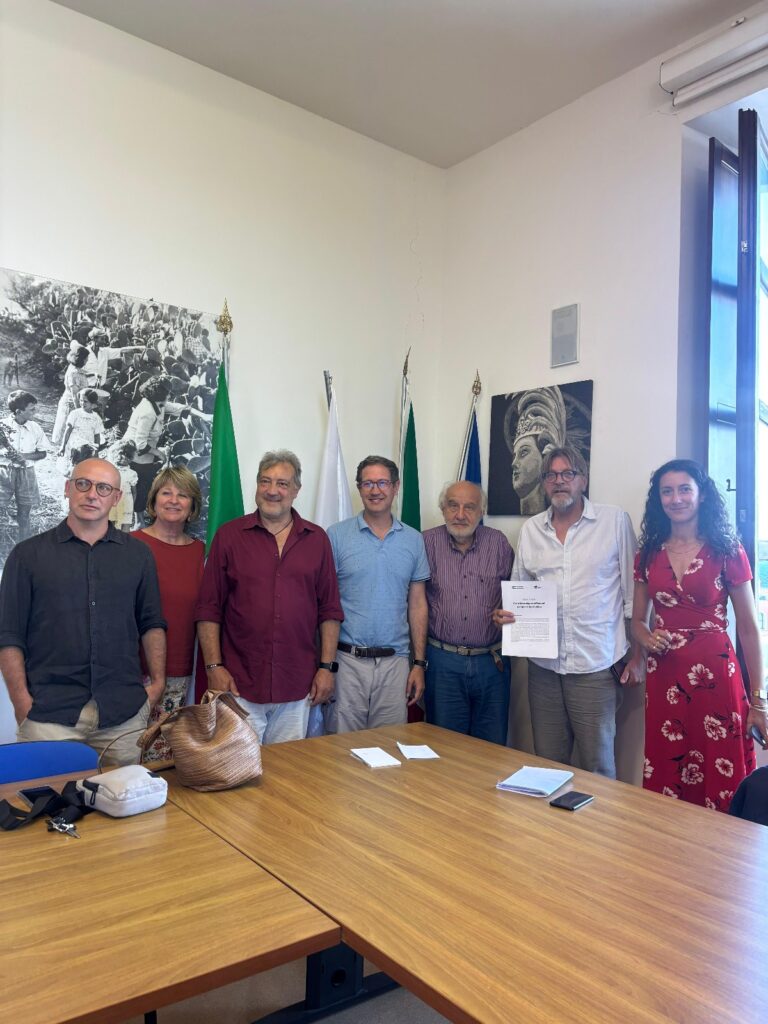
In this context the Union of European Federalists and Consiglio italiano del Movimento Europeo have launched the Declaration "For a Sovereign and Federal European Res Publica" in Ventotene Island on 30th August. The declaration is signed by Domenec Ruiz Devesa, President of the UEF and Former MEP, Virgilio Dastoli, President of the Consiglio Italiano del Movimento Europe, Guy Verhofstadt, Former Prime Minister of Belgium and Former MEP, Mathilde Baudouin, Secretary General of the UEF.
The Declaration is endorsed by Josep Borrell, Former EU High Representative for Foreign Affairs and Security Policy, Antonio Argenziano, Former President of JEF Europe, Luisa Trumellini, President of Movimento Federalista Europeo (MFE), Roberto Castaldi, Secretary General of MFE, Sandro Gozi, Member of European Parliament, Honorary President of the UEF. Witnesses during the signatory of Declaration have been Antonio Santilli, Responsable Culture Sector of Ventotene, Giuseppe Pepe, Vice Mayor of Ventotene e Mario Leone, Direttore Istituto Altiero Spinelli.
The Declaration calls for the revival of the European spirit, the strengthening of the European demos, and the recovery of the vision of a Europe that decides, acts and advances with sovereignty.
To read our strategic proposals and the full Declaration, you can go to this link: LINK HERE.